Kinder swim program linked to broader developmental gains
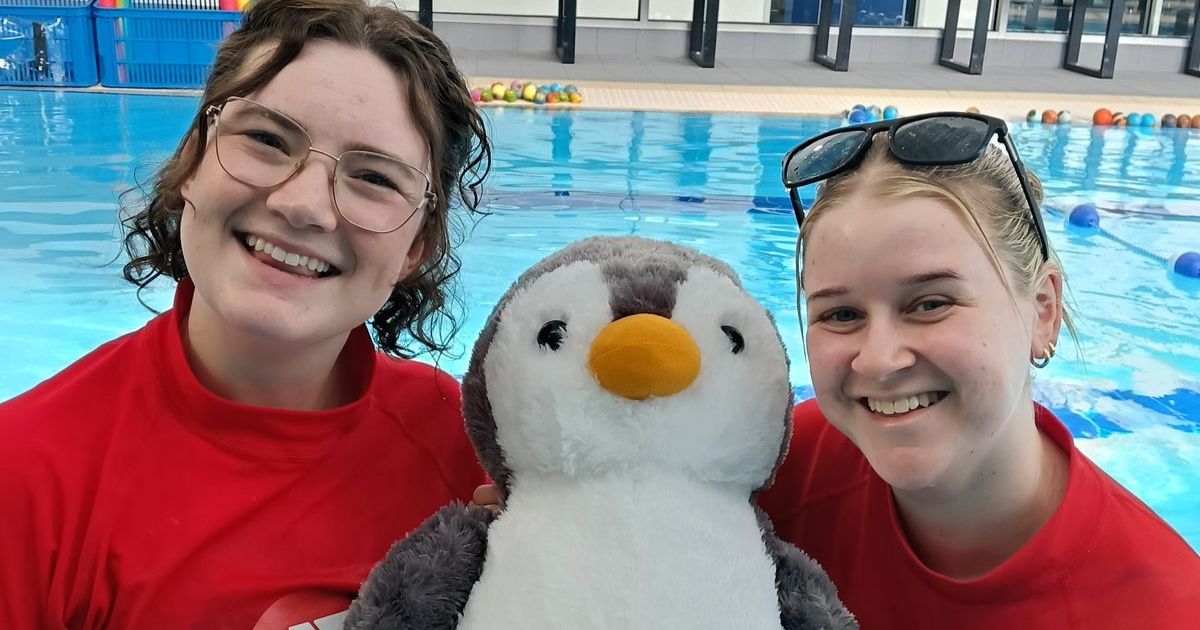
Ballarat's Y Learn and Swim Penguin Paddlers swimming teachers Jessica Stewart and Abbey Ellerton with the Penguin Paddlers’ mascot. Photo: SUPPLIED


A KINDERGARTEN program that integrates swimming lessons into the school day is delivering benefits that extend beyond water safety, educators say, with improvements seen in children’s confidence, coordination and classroom readiness.
At Y Learn and Swim, children enrolled in kindergarten take part in weekly swimming lessons as part of their normal kinder schedule. Educators accompany the children to the swim school and remain with them during lessons conducted by qualified instructors.
Swim School coordinator Lucy Conn said learning to swim remained a critical safety skill, particularly in Australia, but early lessons were also linked to broader developmental outcomes.
“Beyond being a vital life skill that dramatically reduces the risk of drowning, early swimming lessons are a wonderful way for children to grow in so many ways,” she said. “They support children’s physical, cognitive and social development in ways that extend far beyond the pool.”
Assistant director Stacey Knight said the centre observed clear progress in last year’s cohort across the kinder year.
“Children gain confidence and coordination from their time in the pool,” she said. “We find that the kinder children enjoy their sessions and it is a highlight of their week.
Research supports those observations. Studies, including research conducted by Griffith University, have found children aged five and under who participate in regular swimming lessons tend to reach developmental milestones earlier than children who do not swim.
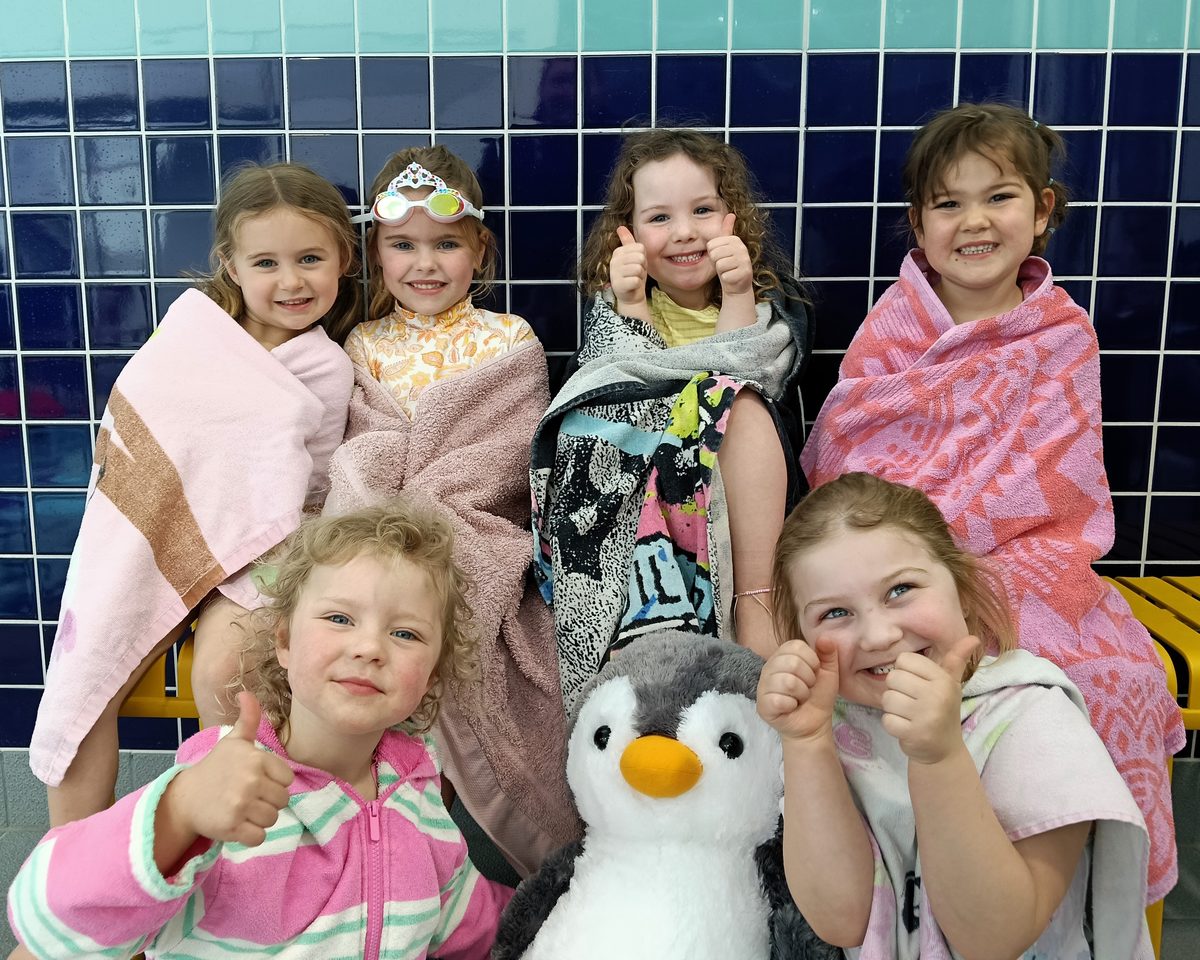
The research indicates young swimmers are often better prepared for school, showing stronger language development, improved problem-solving skills and an increased ability to follow instructions.
Ms Conn said swimming lessons also encouraged social interaction and emotional development.
“Swimming classes also build resilience, social interaction and emotional wellbeing,” she said. “In our small group lessons, children learn to take turns, communicate and encourage one another.
“We’re noticing that as kids become better swimmers, they also become more outgoing and independent. Children who start shy often become eager to join in, chat with their teacher and show off what they can do.”
Educators have also noted that children who complete the program generally transition more comfortably into school-aged swimming lessons.
Ms Conn said early swimming experiences played an important role in both safety and development.
“The importance of early swim lessons should not be underestimated,” she said. “These experiences equip children with life-saving skills which help set them up for success in all areas of development, both in the water and for life.”
Share


Related Articles

Draft budget considered
CITY of Ballarat councillors were set to vote on a…
Quirk-laden Capper hour a candid affair
Cult absurdist comic Nick Capper is bound for Ballarat this…