Vacant Black Hill block to be transformed in community project
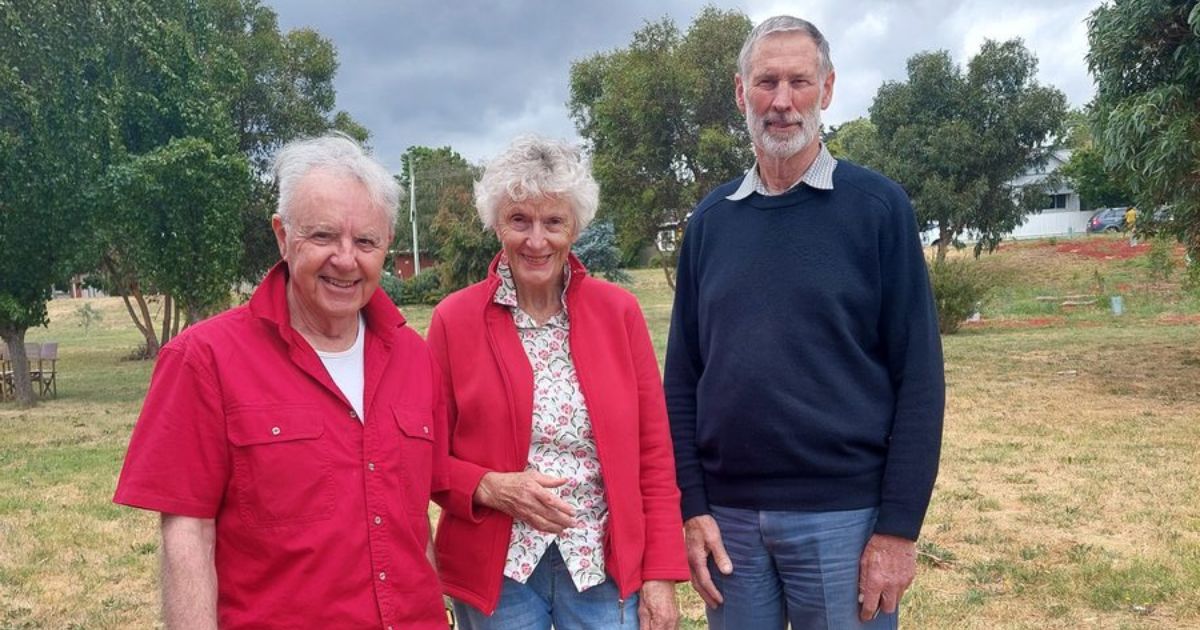
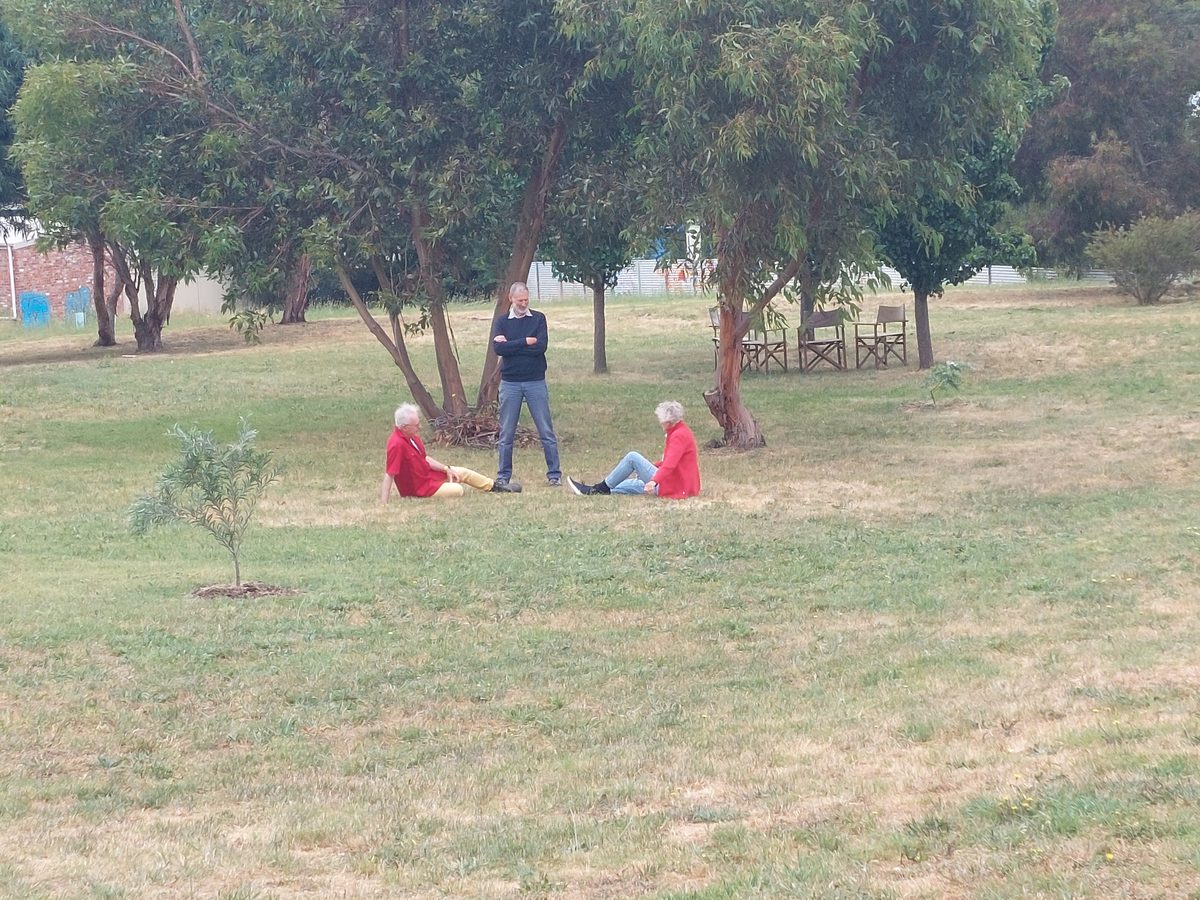
Microforest plan: Stuart Porteous, Kaye Leckie and Neil Leckie on the vacant block in Peel Street North. Photos: DARREN McLEAN


AN undeveloped block of land in Peel Street North, Black Hill, will soon be transformed into a vegetation wonderland with the creation of a microforest.
A microforest is a small, dense, biodiverse woodland planted in urban areas using a method developed by Japanese botanist Akira Miyawaki in the 1970s.
Microforests feature native species planted closely together to rapidly grow into self-sustaining ecosystems that combat climate change, create wildlife habitats, cool their host areas and enhance mental wellbeing.
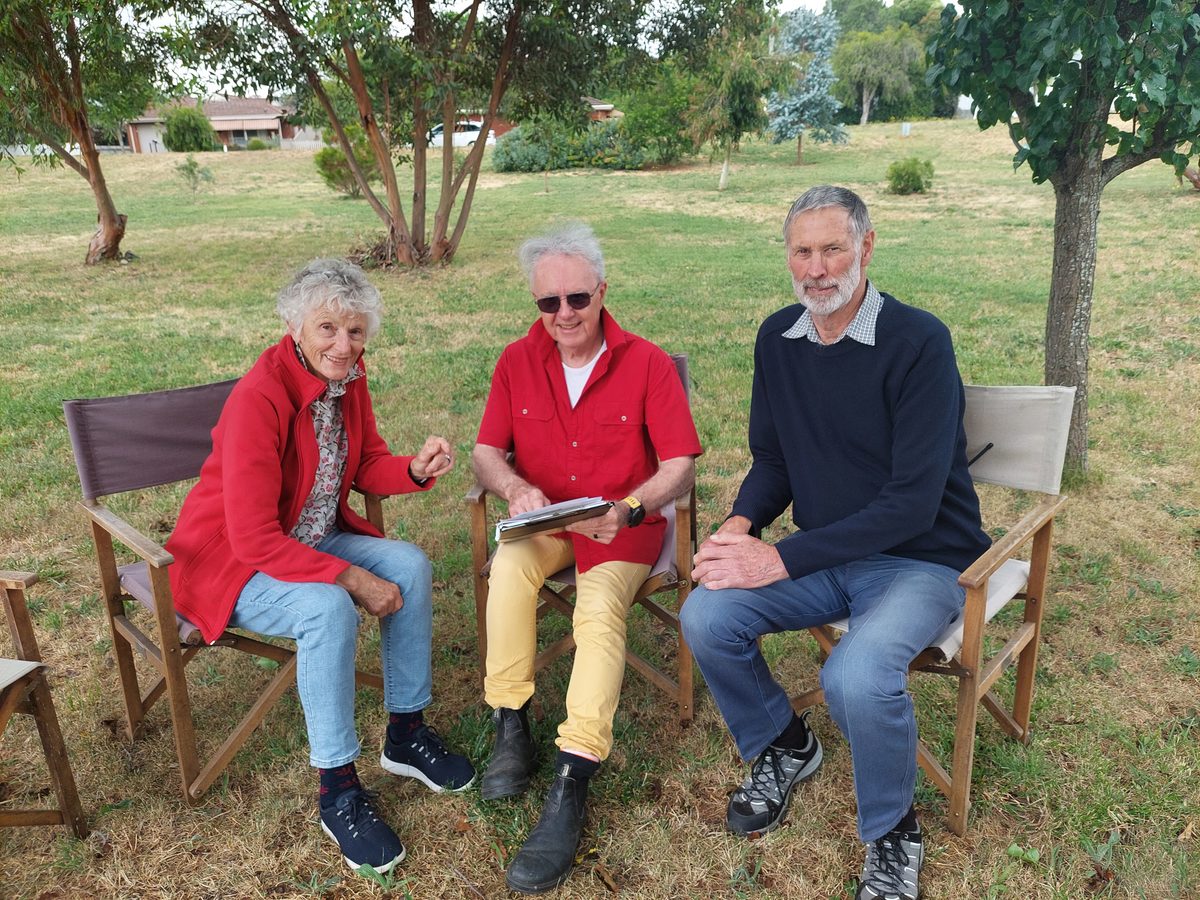
The Peel Street North block measures about 1.6 hectares and separates the post office and residential development.
It was a builders’ tip in the 1950s – which is why it remains undeveloped – and is known as the Peel Street Water Reserve, under management of the City of Ballarat.
Neil and Kaye Leckie, whose property adjoins the site, have taken unofficial care of the land since they moved there in 2013 – Mr Leckie by keeping the grass under control and Mrs Leckie by planting numerous trees and other plants, complementing the annual slashing activities of the City.
But a chance meeting with Napier Street resident Stuart Porteous has resulted in the Leckies joining a local push to have a microforest planted on the site.

They are now members of an eight-person working group that is guiding the project.
Mr Porteous, a retired landscape architect, took the idea from his Canberra-based son Mitch, who is heavily involved with the Microforest Collective, which champions similar greening projects.
He founded the working group with Ballarat-based Fifteen Trees founder Colleen Filippa and now considers the Leckies to be co-founders.
Mr Leckie met Mr Porteous and his son when he saw them filming at the site on a weekend morning and introduced himself.
Given the Leckies’ care of the site and Mr Porteous’s plans, the meeting was fortuitous – Mrs Leckie, a keen gardener, described the chance meeting as “a serendipitous moment”.
Mr Porteous said the Peel Street North microforest will be the first of its kind in Victoria and the eighth overall in Australia.
The Black Hill Microforest, as it will be known, will be developed in stages over about three years from some time this year and will feature a walking track from Napier Street to Peel Street.
The layout of the site also lends itself to construction of a performance space because it features something of a natural amphitheatre, and Mr Porteous said it was hoped to create space for community events like markets.
He said the working group had distributed leaflets among local homes, and also plans to formally involve the Black Hill Primary School in the project.
It will feature about 38 indigenous and ideally endemic species, and Mr Porteous said the City was already growing some plants for inclusion.
“It’s an opportunity to have the bush in the centre of town,” he said, adding that three community workshops will be held in February to fully explain the plan and give locals an opportunity to have input. “Some of the trees will be enormous but they’ll be in the central space because we don’t want to create any dangerous limbs or over-shadowing of neighbouring properties.
“So it will definitely be – it has to be – very dense forest, but exactly where it will be we don’t yet know.”
Mr Porteous said he believed the microforest could cover at least a third or even half of the site, or even three-quarters of it.
The best way to keep up with news of the project is on its Facebook page, which is called Black Hill Microforest.
Share


Related Articles
Man charged over Ballarat cheque scam
A 47-year-old Creswick man has been charged following an investigation…
Big names added to Queenscliff Music Festival bill
MATT Corby will return to the Bellarine this November after…