A life in culture: Rhoda Roberts remembered
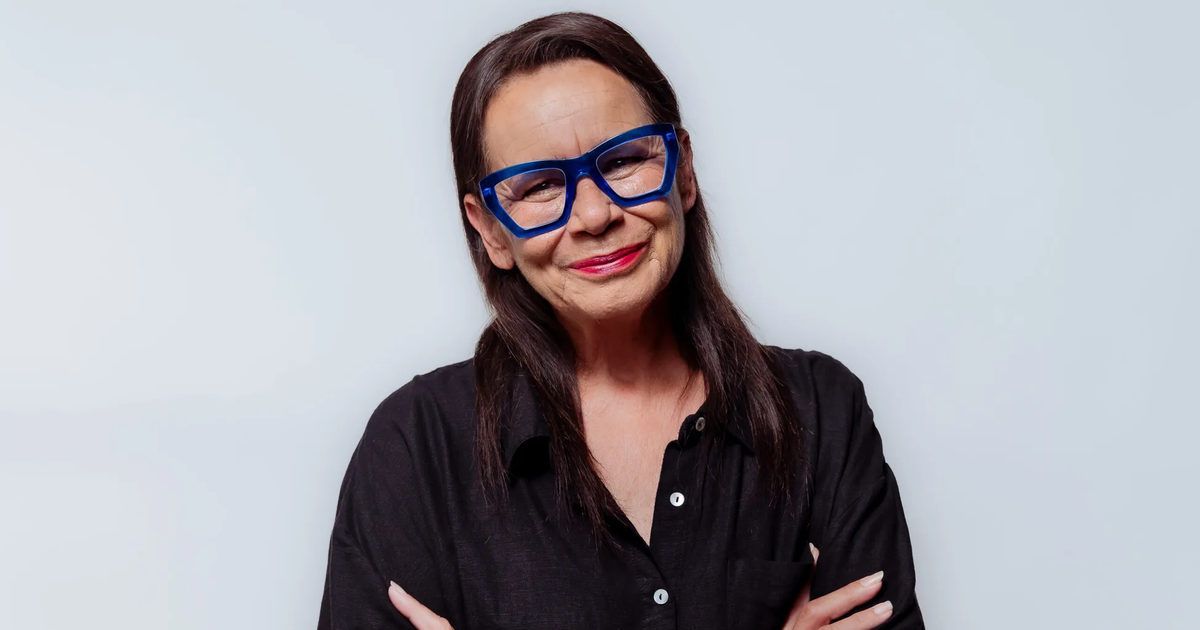
Widjabul Wia-bal Bundjalung cultural leader Rhoda Roberts, who was raised in Lismore, spent decades reshaping Australia's cultural landscape through broadcasting, theatre and major arts festivals. Photo: Supplied.


BUNDJALUNG cultural leader and nationally influential arts figure Rhoda Roberts has died, aged 66.
Roberts, a Widjabul Wia-bal woman who was raised in Lismore after being born in Sydney, spent decades reshaping Australia’s cultural landscape through broadcasting, theatre, festivals and advocacy for First Nations storytelling.
In a 2024 Humans of Lismore profile, she said her family moved “back home to Lismore” when she was about six months old and described growing up in a large Bundjalung family with deep ties to the region.
Her grandfather Frank Roberts was a prominent Aboriginal civil rights activist, placing her within one of the Northern Rivers’ most historically significant First Nations families.
She later attended Richmond River High School and maintained strong cultural and artistic connections to the region throughout her life.
Roberts went on to build a pioneering national career across media and the arts.
In the late 1980s she co-founded the Aboriginal National Theatre Trust and became widely recognised as a driving force behind the growth of Indigenous cultural programming in Australia.
She also became a prominent national television host and was credited with helping introduce the term “Welcome to Country” into mainstream public life.
Her work extended into major national and international events, including leadership roles in the Festival of the Dreaming and the cultural program associated with the Sydney Olympic Games.
She later helped shape Parrtjima, the Northern Territory’s First Nations light festival, and held senior roles at the Sydney Opera House, including serving as head of Indigenous programming.
Over several decades Roberts became known as a mentor to emerging Indigenous artists, journalists and cultural leaders, using her influence to create opportunities and shift public conversations about culture, identity and representation.
Her contribution to the arts and community life was formally recognised when she was appointed an Officer of the Order of Australia in 2016.
Tributes flowed following news of her death, with Prime Minister Anthony Albanese describing her as a figure who had enriched the lives of Australians and helped deepen understanding of the world’s oldest continuing culture.
Arts Minister Tony Burke said generations of creatives regarded Roberts as a catalyst for their careers and influence on national cultural policy, while Indigenous Australians Minister Malarndirri McCarthy described her as a mentor and confidant to many working in media and the arts.
Leaders within the broadcasting sector also paid tribute.
SBS director of Indigenous content Tanya Denning-Orman said Roberts had helped nurture a new generation of cultural leaders and played a key role in strengthening First Nations storytelling across the country.
In a statement, Lismore City Council said her impact on community, culture and country would be felt for generations.
“We are deeply saddened by the passing of Rhoda Roberts, a cultural leader whose impact on community, culture and country will be felt for generations,” the council said.
The Roberts-Field family described her as a person of strength and warmth who dedicated her life to uplifting others and supporting people from all walks of life.
For Lismore and the wider Northern Rivers, Roberts’ death marks the loss of a woman whose story began in the region and whose cultural leadership continued to resonate locally even as her influence grew nationally.
Her legacy is expected to endure through the many artists, institutions and communities she helped shape across Australia.
STAFF WRITER
Share


Related Articles
Graffiti attack leaves business owner facing $20,000 bill
A Tweed business owner says she is facing a $20,000…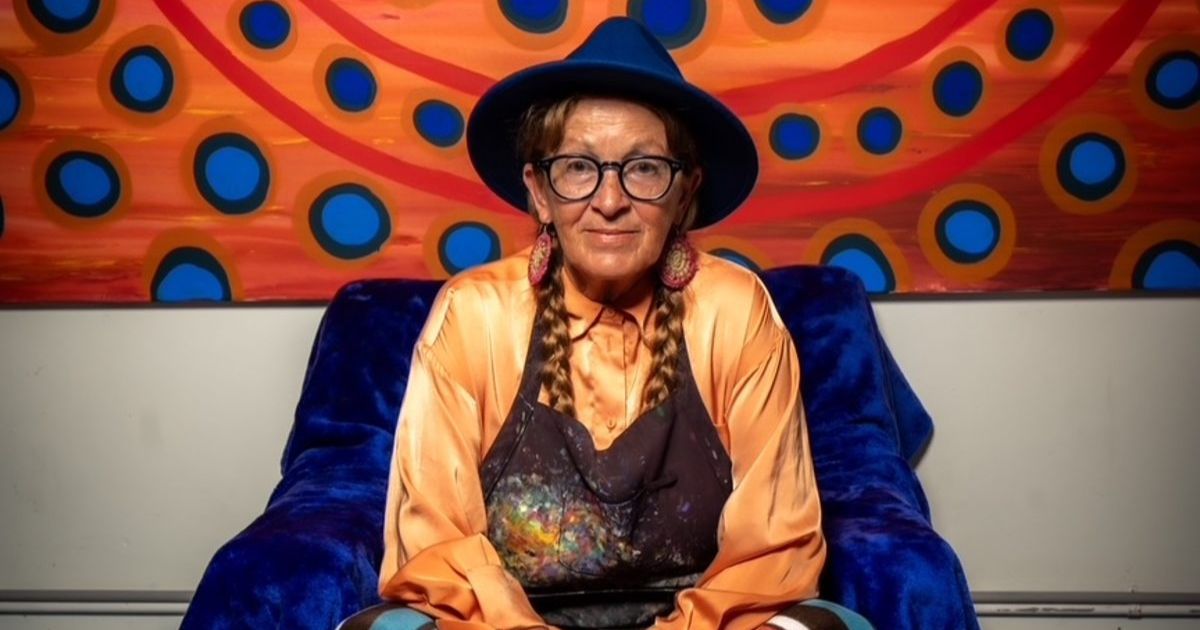
Bundjalung artist Bronwyn Bancroft to share her story at Small SHIFT I Will Survive fundraiser in Byron Bay
SHE was recently named winner of the Red Ochre Award…