Adventure therapy group wins state awards for youth mental health work
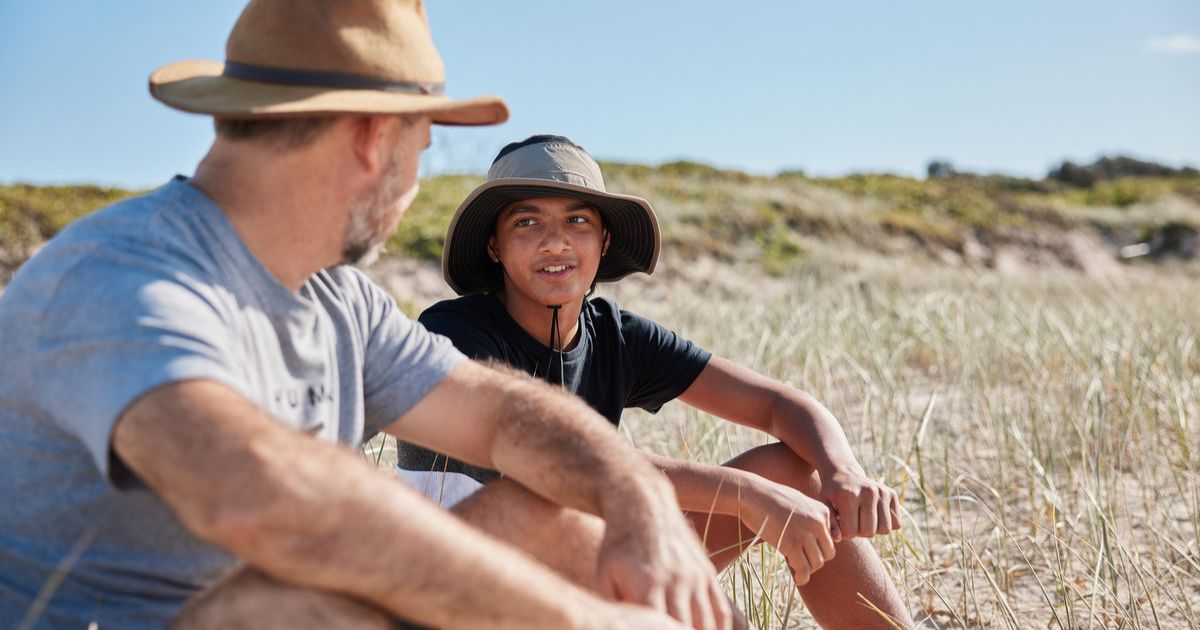
Mental health group Human Nature has been recognised for its efforts in helping youth across the Northern Rivers. Photo: SUPPLIED


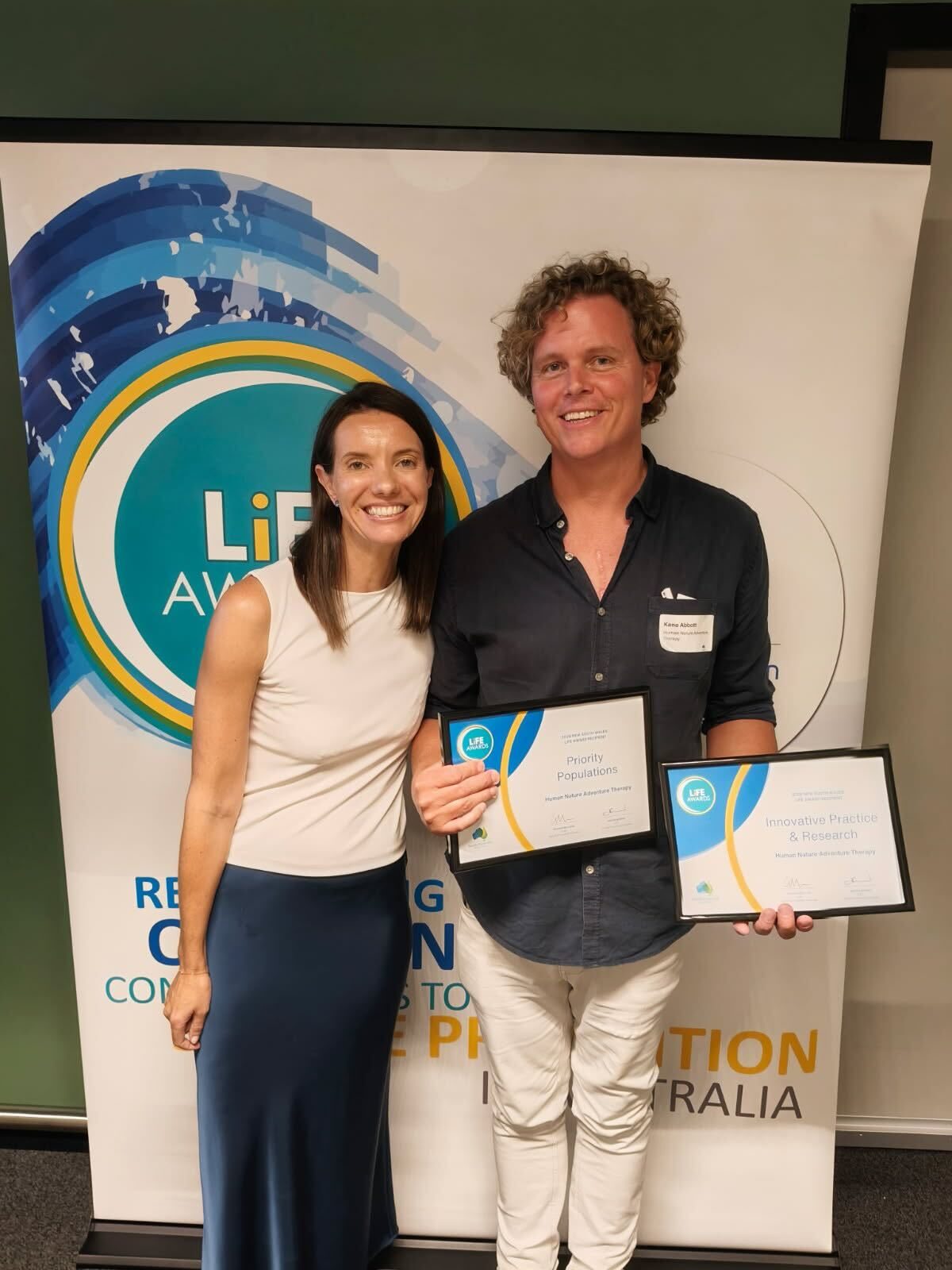
MENTAL health support group Human Nature has won multiple awards for its work in adventure therapy at the NSW LiFE Awards, recognised for its innovative approach to youth suicide prevention.
The awards have been running for 22 years at Sydney Town Hall and saw Human Nature honoured in the Innovative Practice and Research and Priority Populations categories.
The service focuses on youth with its nature and adventure-based activities such as hiking, rock climbing and camping to promote mental health, emotional growth and behaviour change.
Human Nature clinical manager Kane Abbott said the awards were a welcome recognition of the work the organisation has been doing with young people across the Northern Rivers.
“It’s definitely helpful to receive that recognition. Awards like this help raise awareness of the work we’re doing and the impact it’s having in the community,” he said.
“A lot of young people simply can’t connect with conventional therapy in a clinical setting.
“There can be barriers like transport, or they may not feel safe opening up in a room with a practitioner.”
“Our approach allows us to bring therapy and mentoring to them, and to meet them in places where they feel comfortable.”
Human Nature works with young people from Evans Head to the Tweed and inland communities with its main base at Tamar Street in Ballina.
It has operated entirely on philanthropic funding since 2015, meaning recognition can also help highlight the need for support.
“We’re 100 per cent philanthropically funded and we’ve got a clinical team delivering services across the Northern Rivers, so we’re constantly fundraising and writing grants to keep the work going,” Abbott said.
“Recognition like this sends a signal that we’re here, we’re doing the work, and we’re engaging with young people that many traditional services have struggled to reach.”
Abbott said Human Nature has recently been included in a study by a research team at Charles Sturt University.
Two of its senior leaders also held a briefing at NSW State Parliament, discussing the challenges facing regional young people and the case for place-based responses.
“Around 70 to 80 per cent of the young people who come to us aren’t engaged in school, training or work when they start,” Abbott said.
“By the time they finish the program, about 78 per cent are back engaged in one of those areas.”
“That means young people are finding a sense of purpose and direction again, often after experiencing significant trauma or hardship.”
Share


Related Articles
Council tests new whale disposal policy
A juvenile whale carcass has been towed back out…
Dreams come true for Byron ballet dancer
WHEN Amani Wiriyanjara stepped onto the stage as a tiny…