Council sets benchmark with A-level rating from Carbon Disclosure Project
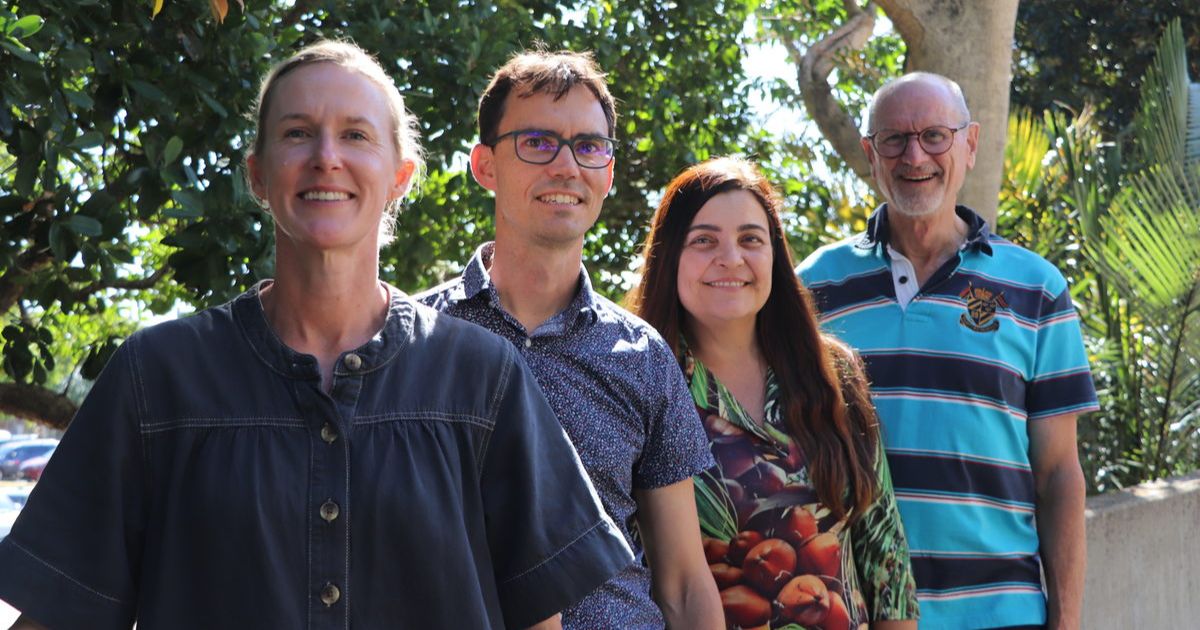
Members of Tweed Climate Action Group, which was established by council in 2025. Photo: Supplied.


TWEED Shire Council has secured an A-rating from the Carbon Disclosure Project (CDP), placing it among just 30 cities across the Asia-Pacific to achieve the benchmark in 2025.
The Tweed joins major metropolitan areas including Sydney, Melbourne, Auckland and Wellington in reaching this level.
More than 1,000 jurisdictions worldwide submitted reports to CDP in 2025, with only 112 earning an A rating score.
Achieving an A-rating requires organisations to show robust climate governance, thorough climate risk analysis, detailed emissions reporting and credible, long-term strategies grounded in evidence.
The outcome highlights the priority placed on climate action by both council and the wider Tweed community.
Tweed Shire Mayor Chris Cherry said the outcome demonstrated a strong, shared commitment.
“This doesn’t happen by accident, it takes genuine commitment from staff, community and elected representative,” the mayor said.
“Now we focus on what’s next.”
“The Tweed community has always cared deeply about this place, its rivers, its coast, its hinterland.”
“This rating reflects that.”
“It’s our job as council to match that commitment with action, and we intend to.”
Council’s program leader for climate change and sustainability, Debbie Firestone, said the assessment was as much about driving improvement as it was about acknowledging achievement.
“Transparency and accountability are core to our approach, and this rating reinforces that we’re moving in the right direction while focusing on next steps to improve our response to climate change on behalf of our community,” Firestone said.
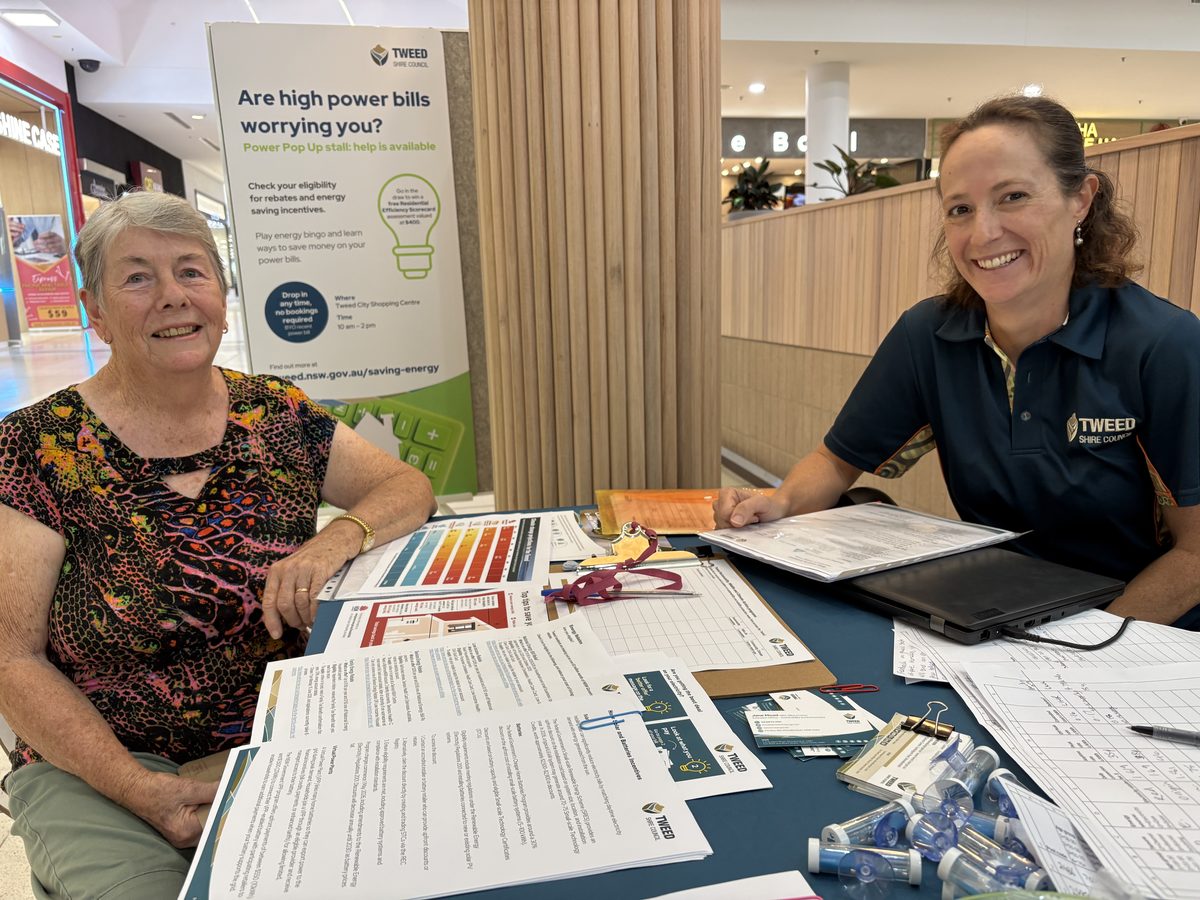
Key factors contributing to council’s A- rating included the development of a community-wide emissions inventory, investment in renewable energy projects, climate risk and adaptation planning, collaboration with local businesses and community organisations, and an Energy Affordability strategy aimed at supporting residents facing rising power costs.
Looking ahead, council has said it plans to strengthen its performance by adopting science-based emissions reduction targets, setting measurable adaptation goals, broadening its emissions tracking to capture residual sources such as hydrofluorocarbons, and rolling out a comprehensive monitoring, evaluation and reporting framework across its climate initiatives.
Share


Related Articles
ED and surgical activity remains high as acuity levels rise across Northern NSW hospitals
EMERGENCY departments and surgical theatres across Northern NSW Local Health…
Australia Post opens Community Grant applications to boost mental health and community resilience
COMMUNITY organisations across New South Wales are being encouraged to…