Dunecare veteran steps back after nearly two decades restoring Casuarina dunes
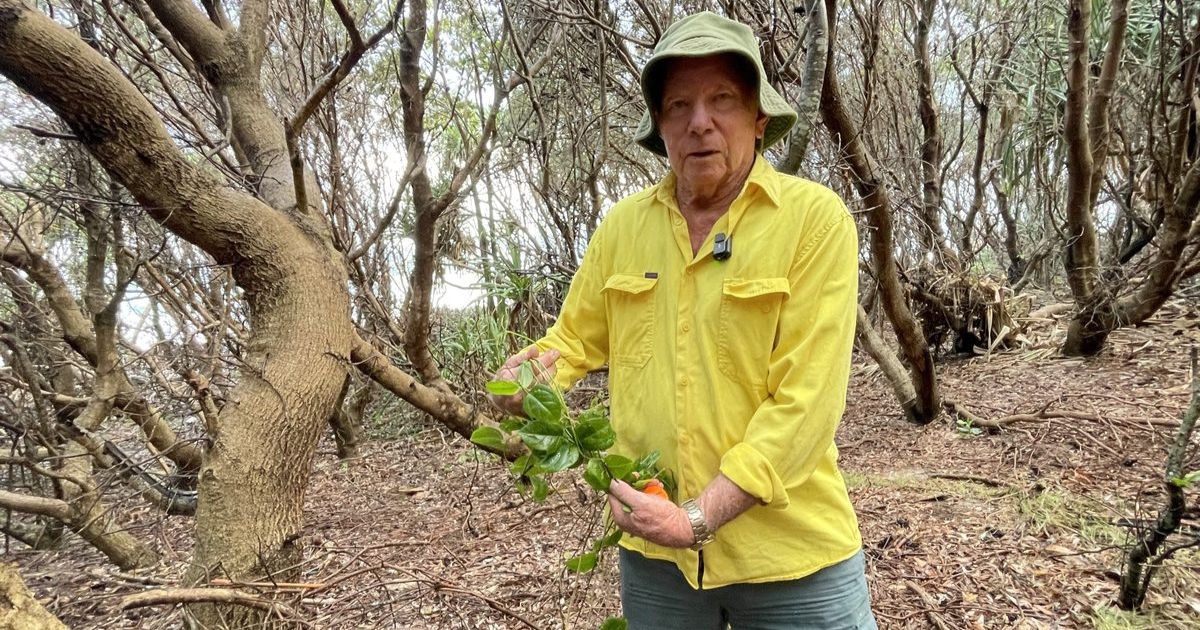
Pierce with a corky passionfruit vine - a weed found in the bushland along the Casuarina dunes. Photo: Supplied.


A CASUARINA volunteer has stepped back after nearly two decades helping restore the town’s coastal dunes.
Ross Pierce, a retired banana farmer, began volunteering with Casuarina Dunecare in 2008 after noticing invasive coastal weeds spreading near his home.
“To tell you the truth I was a bit ashamed of the whole show,” Pierce said.
“You could see weeds coming and nobody doing anything about it, and I had a farming background, and I just thought if you’re going to live here, you might as well do your bit.”
At the time, Pierce said large sections of the dune system were overrun by bitou bush.
“They used to spray bitou bush here with an airplane,” he said.
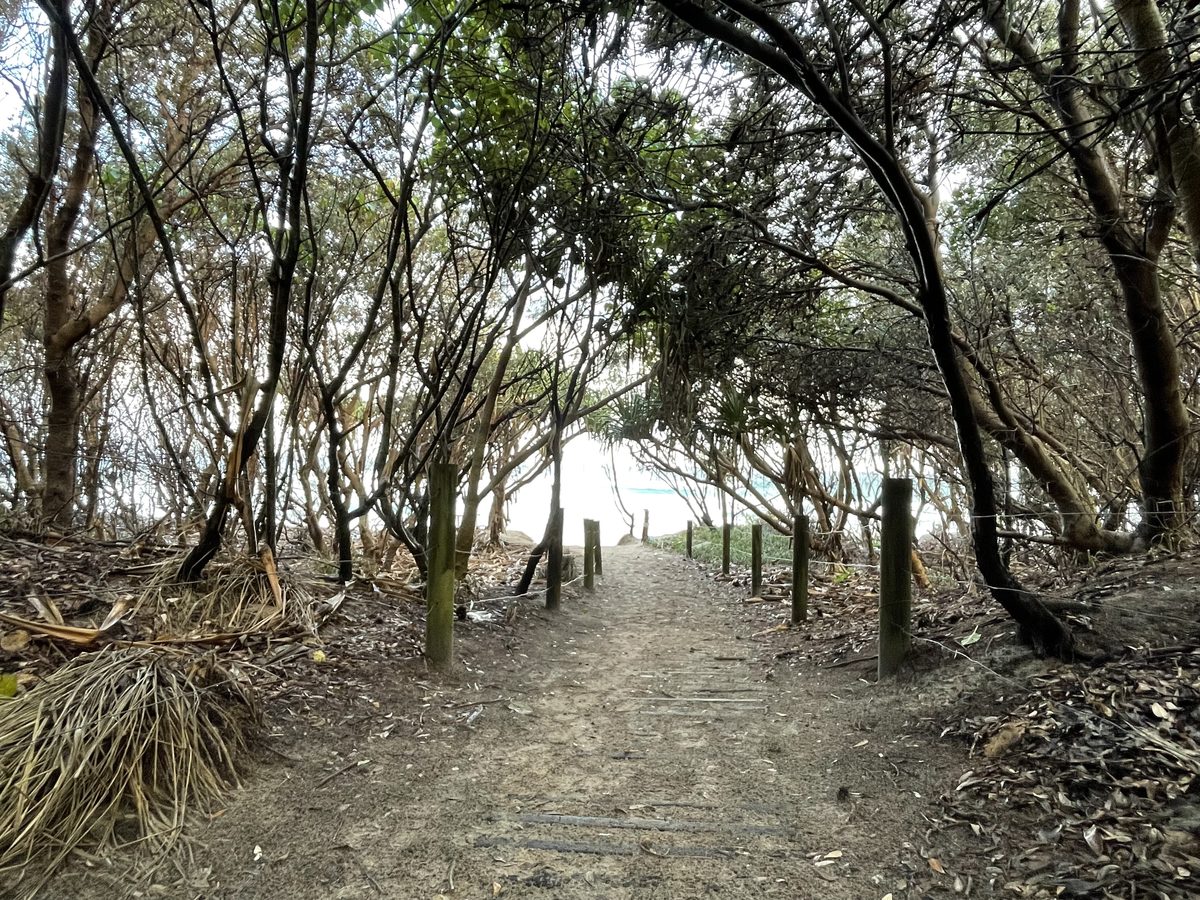
“That’s how extensive it was – you just couldn’t get a start on it otherwise.”
Working alongside a small group of locals and with support from council, Pierce gradually helped restore a healthy system in the dunes.
What began as a slow fight against invasive species has resulted in substantial ecological recovery, with the area now classified as littoral rainforest and threatened plant species regenerating naturally through seed dispersal by birds.
The vegetation along the dunes was originally planted as an environmental offset during the development of Casuarina, with weed management intended as an ongoing requirement.
When funding for that work ceased, Pierce continued the effort voluntarily.
Pierce said his motivation came from a deep appreciation for time spent in the bush and the satisfaction of seeing tangible progress.
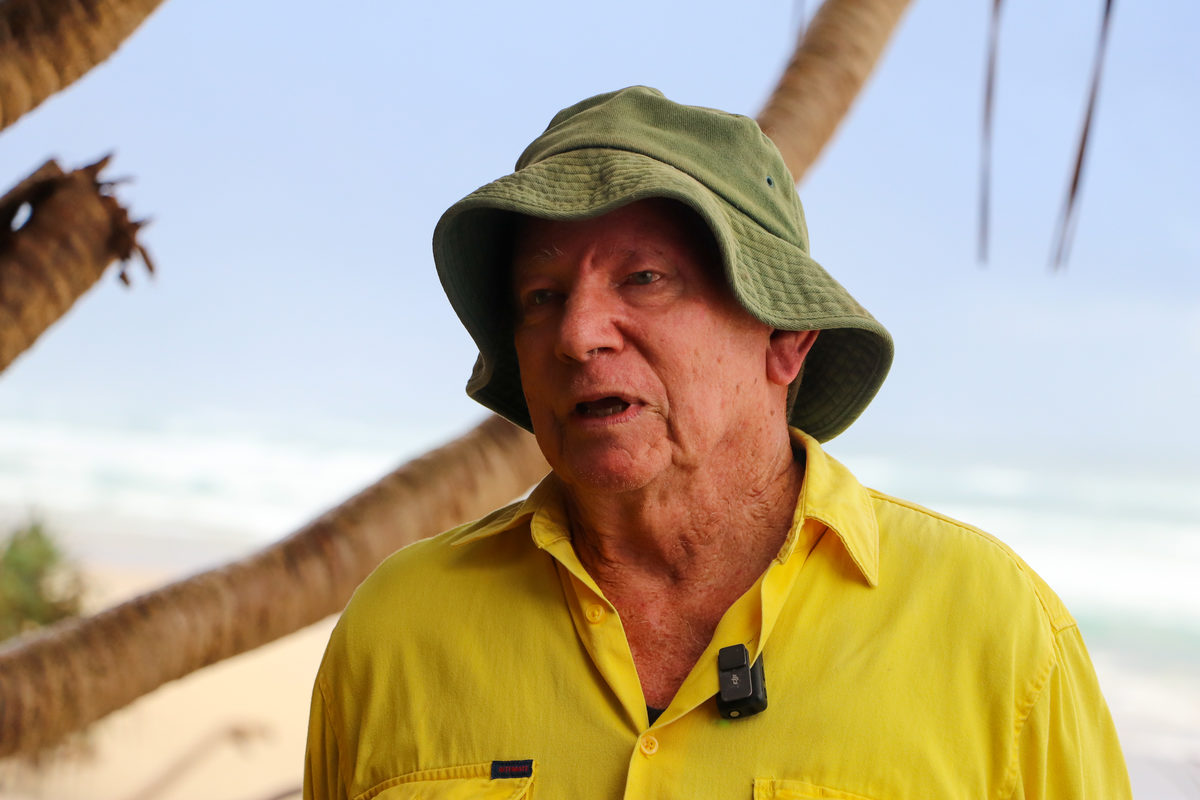
“Once you start making a bit of progress and you can see what you’re achieving, you don’t like stopping because you lose all the ground you were gaining – it’s as simple as that, really,” he said.
Pierce estimated he once put in around 200 hours a year in the dunes, with that commitment easing as progress was made.
“It just got gradually less and less as we got more control over it, and as I got older,” he said.
Over the years, Tweed Shire Council’s Natural Areas team provided tools, herbicide, equipment, green waste removal and technical support, forming a partnership that underpinned the program’s long-term success.
While some community regeneration work can take on a social element, Pierce said he often preferred to work alone, prioritising efficiency.
“A lot of the groups go out and it’s kind of social for them,” he said.
“I’d just go out and work a few hours and go home, and that was it.”
After nearly two decades in the dunes, Pierce said it is finally time to wind down.
“My joints are going on me and when you’re walking around with soft sand and boots and all the gear, it just gets too hard,” he said.
Tweed Shire Council manager of sustainability and environment Jane Lofthouse said Pierce’s contribution had been “remarkable”.
“What Ross has done over 17 years is remarkable – not just for the dunes, but for what it shows about the value of one committed person staying the course,” Lofthouse said.
“That kind of long-term stewardship is genuinely hard to replace, and we don’t take it for granted.”
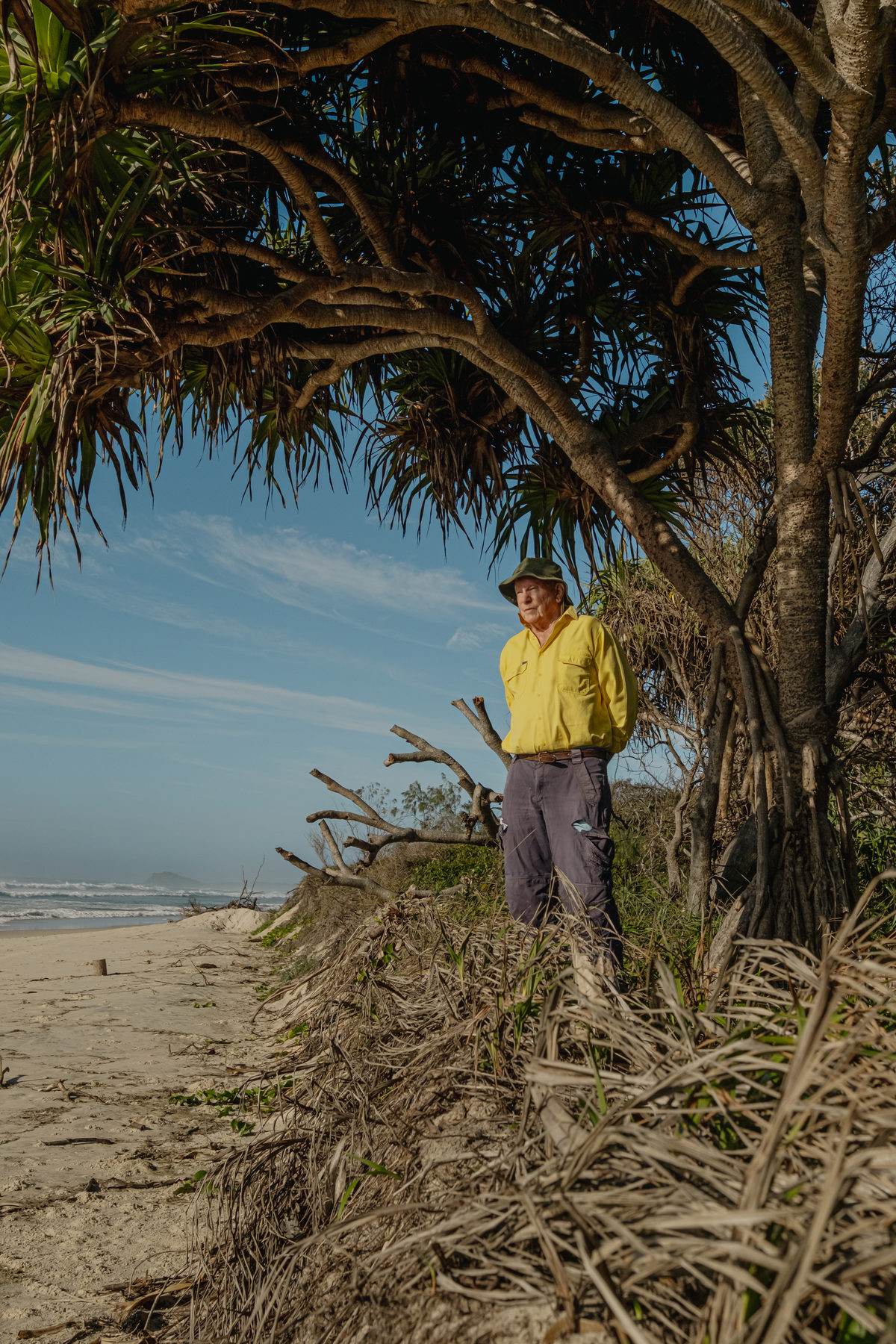
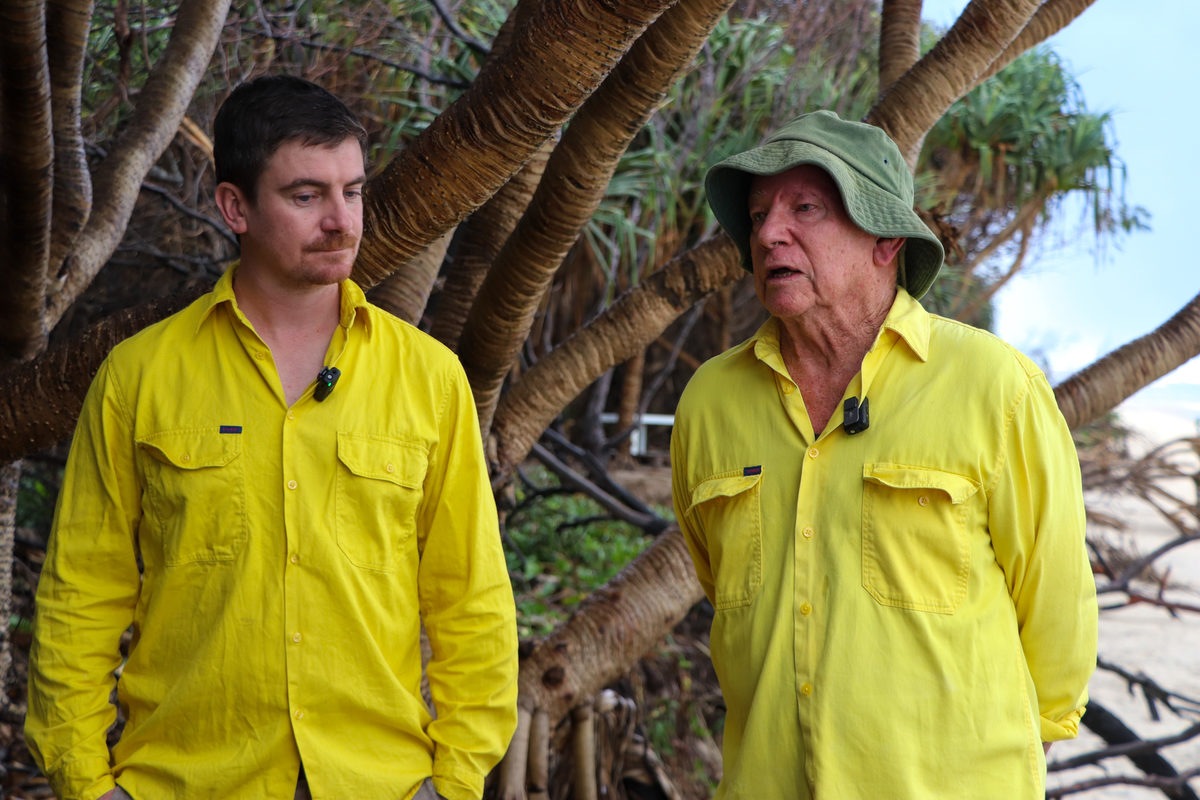
Responsibility for the work is now being passed to a new generation of volunteers, including local bush regeneration professional Daniel Persson and fellow volunteer Jan O’Donohue.
“I got bitten by the regen bug – once you start noticing the native plants and the invasive weeds it’s pretty hard to switch that off,” Persson said.
Persson explained the risks of weed infestation in coastal areas.
“In these smaller patches of vegetation, it’s easy for invasive weeds to get in and if left for a number of years they can bring down big 20-year-old trees,” he said.
Persson estimated that the extent of Pierce’s voluntary work over the 17 years is worth hundreds of thousands of dollars.
“If you were to hire someone like me to do this work, it would have been worth hundreds of thousands of dollars over the years,” he said.
“The amount of effort he’s put in here is just crazy.”
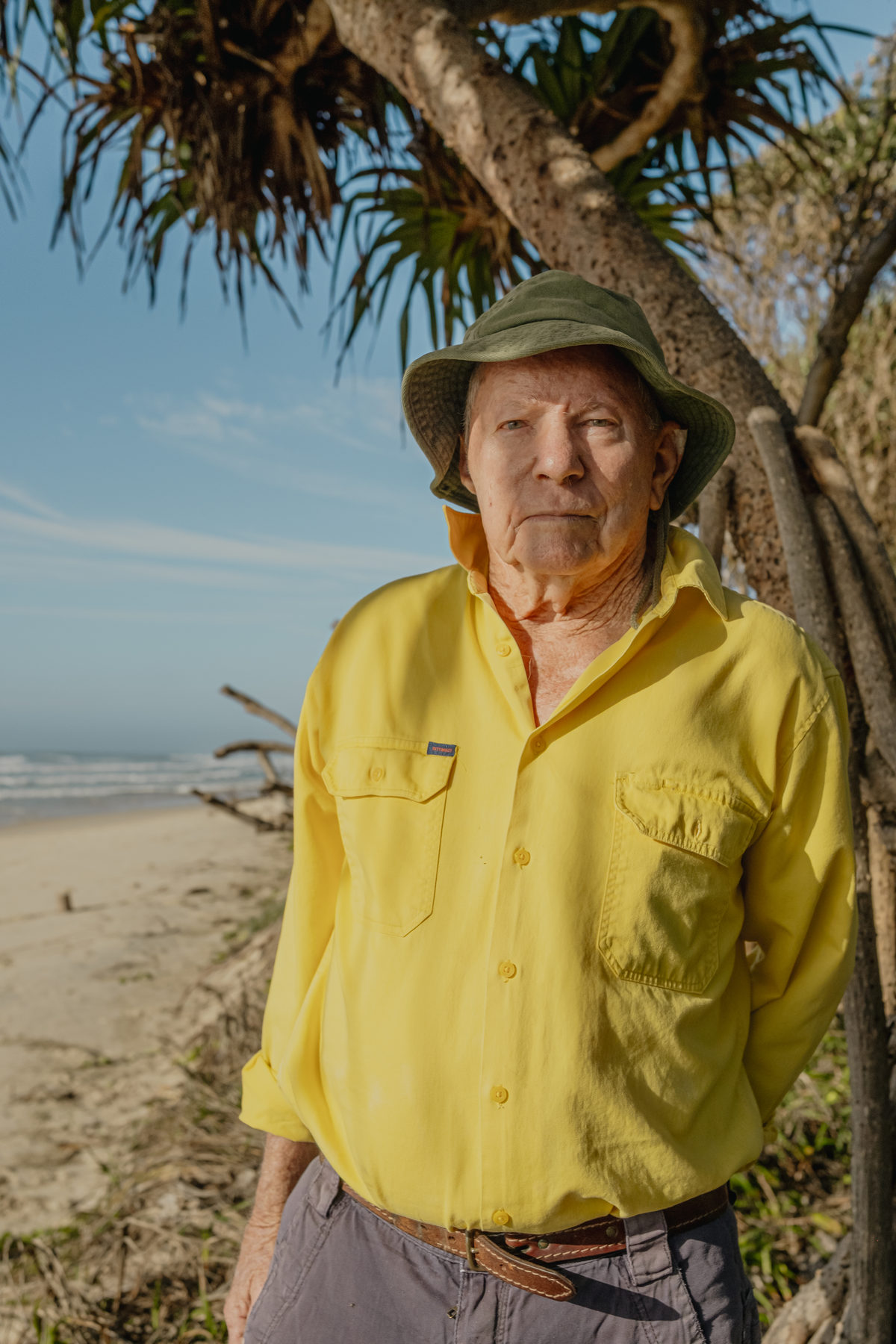
Pierce’s extensive efforts had prompted Persson to suggest a monument of recognition, though he said the dune care veteran was opposed to the idea.
“I told him that I want to build him a statue, but he doesn’t want it,” Persson joked.
Casuarina Dunecare is now calling for new volunteers to support ongoing restoration, with a focus on maintaining the work already achieved and protecting emerging native vegetation.
A session titled The Nature Care Open Day will be held on May 30 from 8am to 11am at the beach access at the end of Ocean Avenue, Casuarina, where residents can meet volunteers, view the dunes and learn how to get involved.
Share


Related Articles
Local health, education projects to receive multi-million-dollar injection through state budget
New ambulance stations, expanded maternity services and ongoing flood recovery…
ED and surgical activity remains high as acuity levels rise across Northern NSW hospitals
EMERGENCY departments and surgical theatres across Northern NSW Local Health…