Norco lifts milk price as farmers push supermarkets to do more
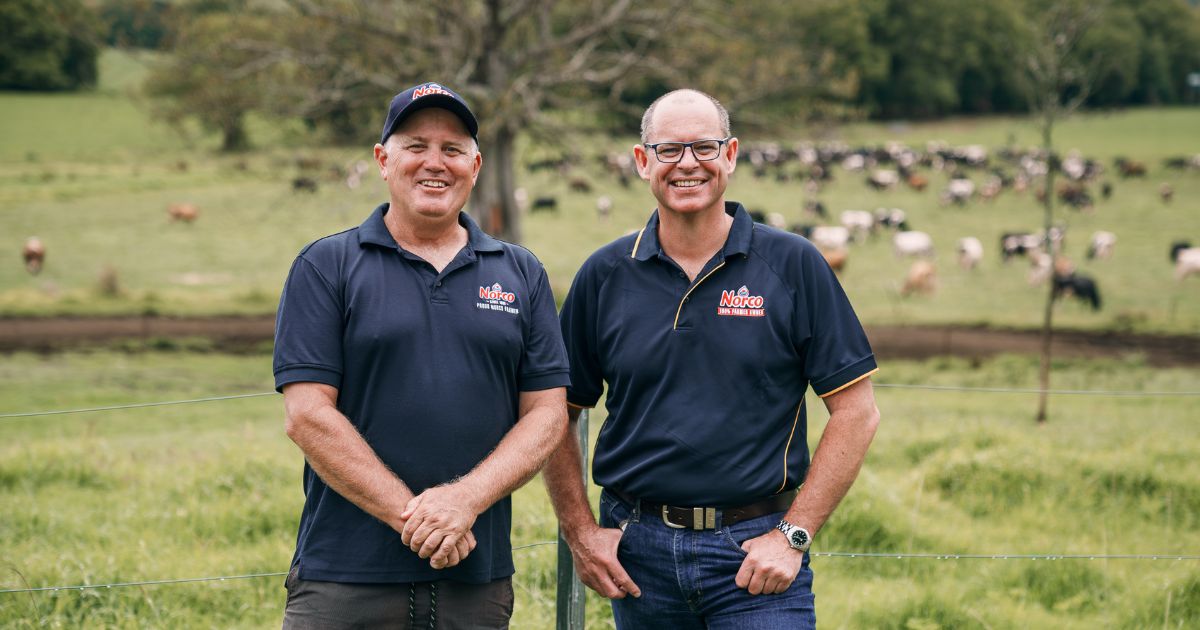
Norco chief executive Michael Hampson is calling on wider support to help ease the burden on farmers. Photo: Supplied.


Rising fuel and production costs have triggered a Norco milk price increase, as farmers struggle to absorb surging expenses across the dairy supply chain.
The move comes amid warnings supermarket milk prices could rise in coming weeks, with some industry groups arguing retail prices may need to climb closer to $2 a litre to remain sustainable.
The five cents per litre increase will take Norco’s average annual farmgate milk price to 97 cents, injecting an estimated additional $1 million per month into farmer returns.
Norco chief executive Michael Hampson said global and geopolitical pressures were driving sharp increases in costs across the industry.
“These cost increases are unprecedented. Our farmers are paying double for diesel, triple for fertiliser and 40 per cent more for freight,” he said.
“These pressures are simply unsustainable without meaningful support across the supply chain, and this price increase is a small but important step in helping to offset those pressures.”
Hampson said the increase would add about 30 cents per week for households, with further adjustments possible if conditions worsen.
He said rising costs were already influencing production decisions, including reduced winter planting of hay and cereal crops, which could tighten supply later in the year.
“Right now, farmers critically need these increases to remain viable and protect their livelihoods. This is not about increasing margins, it’s about ensuring the sustainability of our farmers and the future of the Australian dairy industry,” he said.
“These cost pressures are unlike anything we’ve ever seen before, and without industry-wide action to better support farmers, the future of the sector is at real risk.”
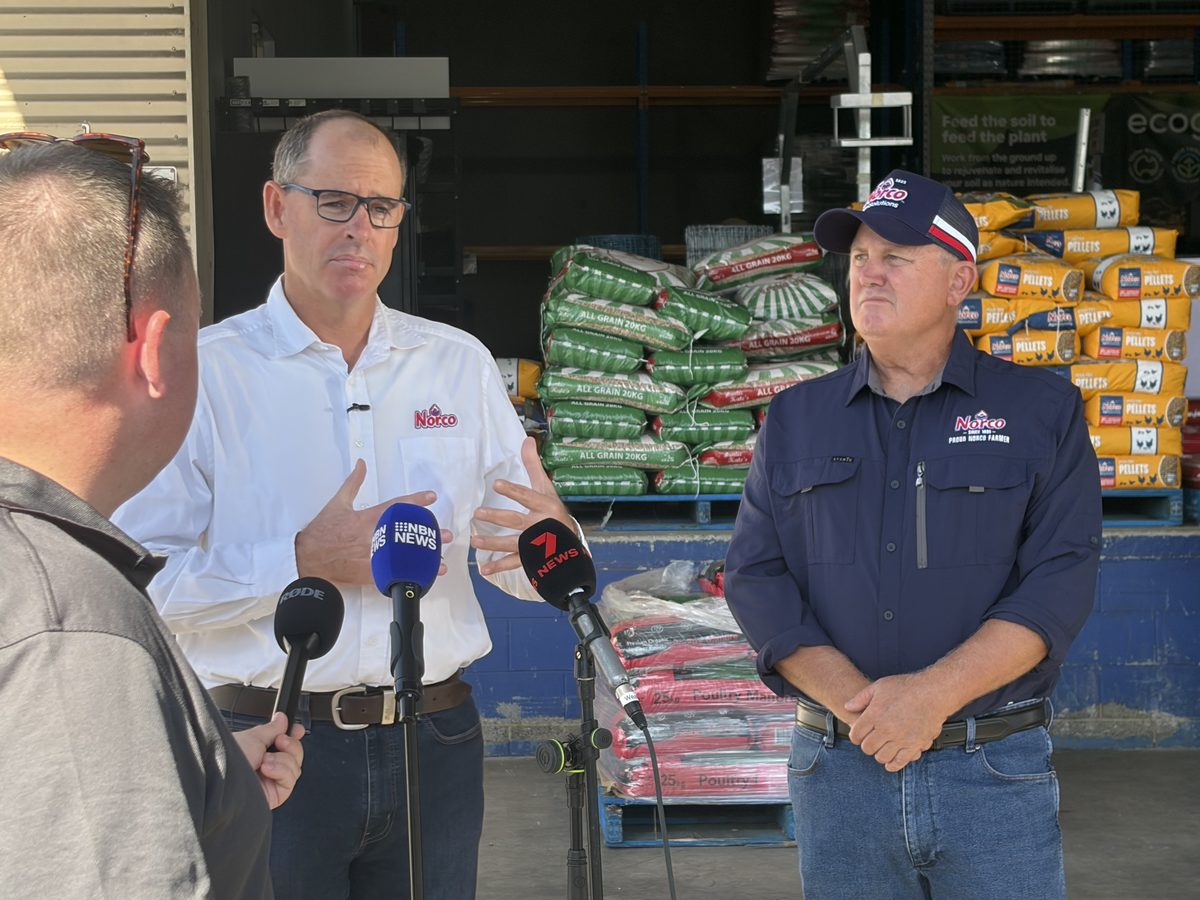
The NSW Farmers Association has called on major supermarkets to do more to absorb rising costs and support producers.
Association vice president Bec Reardon said farmers were bearing the brunt of transport costs.
“Whether it’s milk heading to the processor or potatoes and apples being trucked to supermarkets, farmers pay the transport costs to get that food off the farm,” she said.
“When diesel prices shot up, the cost of transporting that food shot up as well and farmers are the ones picking up that bill.
“We know the trucking companies are copping it badly as well, and that’s why we need the big end of town to support the supply chain.”
Supermarkets have indicated they are working with suppliers to manage rising costs while trying to limit the impact on customers.
Local fourth-generation dairy farmer Andrew Wilson said producers were feeling the impact of rising input costs.
“Whether it’s fuel for machinery, fertiliser for the paddocks or just keeping things running, the costs keep rising and it’s something you can’t step away from,” he said.
“If these pressures continue, there’s a real risk that not all farms will be able to keep going, which is why support right now matters so much.”
Share


Related Articles

Graffiti attack leaves business owner facing $20,000 bill
A Tweed business owner says she is facing a $20,000…
Bundjalung artist Bronwyn Bancroft to share her story at Small SHIFT I Will Survive fundraiser in Byron Bay
SHE was recently named winner of the Red Ochre Award…