Real estate agents gather to tackle rental shortages, new tenancy laws
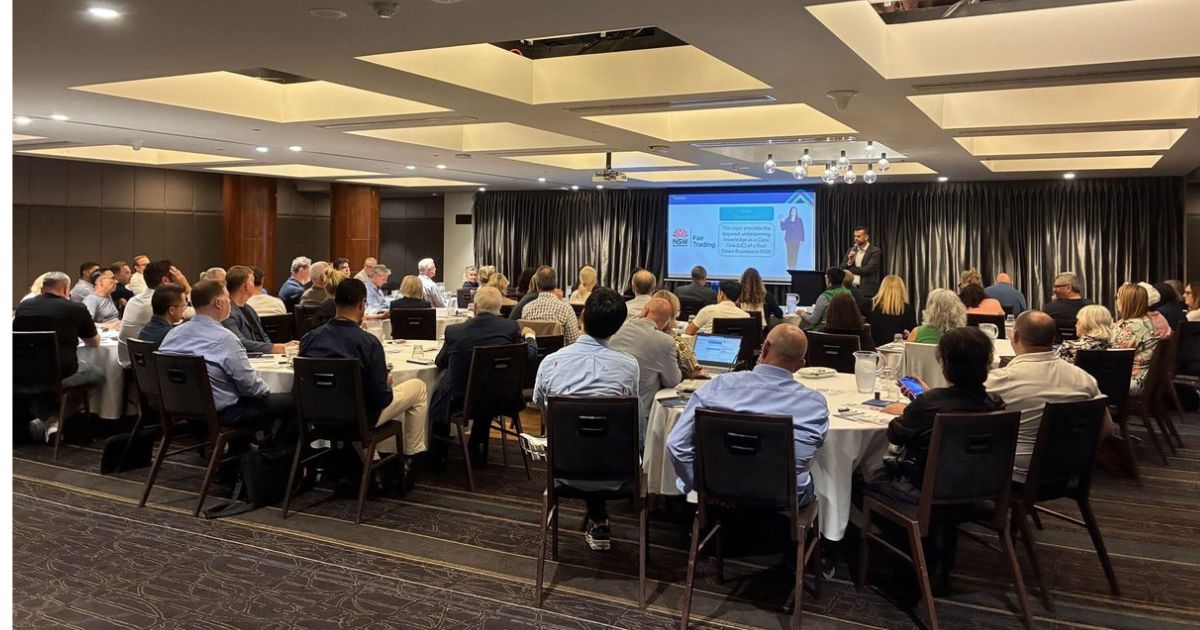
The Real Estate Institute of New South Wales hosted agents and property managers to help address a raft of issues confronting the industry. Photo: SUPPLIED


THE Real Estate Institute of New South Wales (REINSW) hosted agents and industry groups from across the Northern Rivers to address low rental vacancy rates, major tenancy law changes and new regulatory requirements impacting the sector.
The institute, the peak industry body for real estate agents and property professionals in NSW, held two days of information sessions at Invercauld House in Goonellabah.
It looked at the Northern Rivers rental vacancy rate sitting at just 1.5 per cent, well below the 3 per cent considered a healthy market.
REINSW chief executive Tim McKibbin said while some pressures were being felt statewide, local conditions were also playing a major role.
“There are macro influences like interest rate rises that affect the entire country, but there are also issues specific to local areas,” he said.
“We’ve heard directly from the local property services community about the challenges they’re facing and take those concerns back to government.
“If we’re able to, we advocate to the government in Sydney, so those issues are at least heard.”
McKibbin said rental affordability had worsened significantly over the past five years.
Between 2015 and 2020, rents increased by just over 3 per cent while wages rose more than 10 per cent, which made renting easier.
But between 2020 and 2025, rents increased by 40.9 per cent while wages rose by only 17 per cent.
“People are now regularly paying more than 30 per cent of their household income in rent,” McKibbin said. “Tenants are effectively in mortgage stress without having a mortgage.”
“While tenants have gained some additional rights, landlords are leaving the market and pursuing different investments, which is reducing the supply of rental properties.
“Government needs to look at the harm some of these reforms are having – and that harm is ultimately felt by tenants.”
The seminar also addressed a raft of regulatory changes coming into force for real estate agencies this year.
“There have been a lot of changes … that will come into effect this year, and the obligations on real estate businesses are going to be significant,” McKibbin said. “One of the big changes we’re dealing with is anti-money laundering, or AML, and the penalties for failing to comply are also significant. We’re trying to provide agents with both the knowledge of their obligations and the tools so they can properly discharge them.”
Share


Related Articles
Students pitch ideas to council around flood technology and community support for youth week
BALLINA Shire Council hosted local high school students for a…
Thousands of bargain books up for grabs at Friends of Libraries book fair
THOUSANDS of pre-loved books will be on sale at this…