Eric Bibb keeps counting time
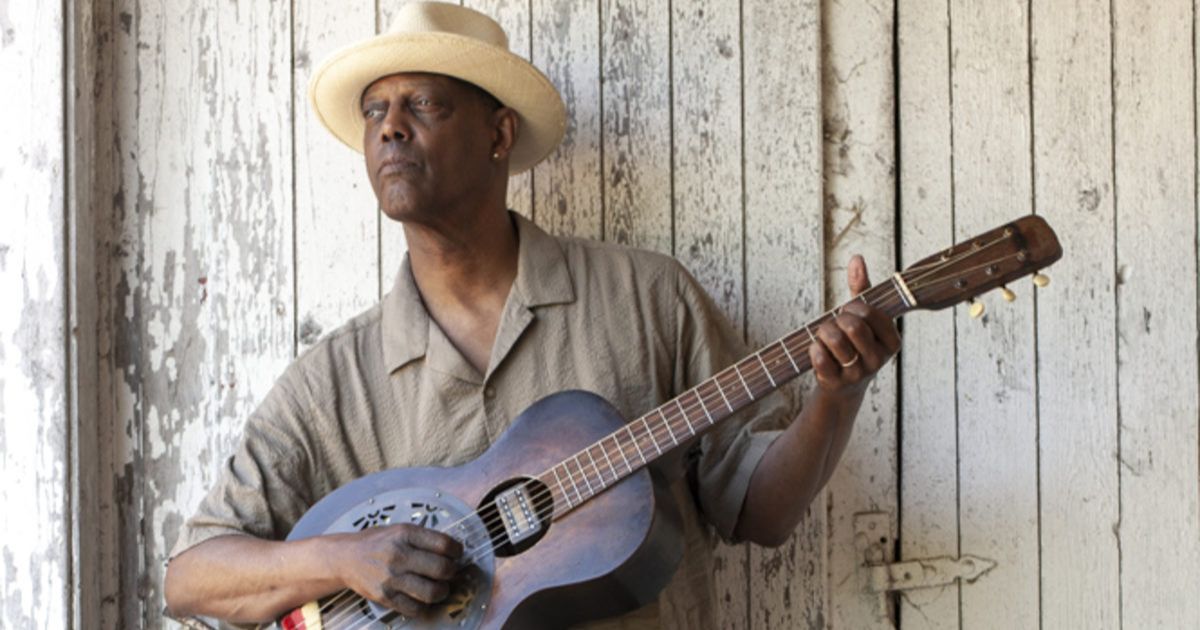
Blues musician Eric Bibb brings his latest album One Mississippi to Australian stages in May. Photo: SUPPLIED. Photo: janmalmstrom.com.


ERIC Bibb calls One Mississippi a collection of stories from a not-too-distant American past and a tense global present.
“If they’re going to rip pages out of history books, I can at least write songs.”
One Mississippi, released earlier this month, grew without a fixed plan, shaped through long collaboration with producer Glen Scott.
“We just seem to organically develop a project from beginning to end,” Bibb says. “It’s hard to remember the whole process, because there was no master plan.”
If there was a starting point, he keeps returning to the title track.
“Mississippi is a magical word with a lot of mojo, carrying extraordinary music and some of America’s darkest history.”
The song was written by one of his oldest friends, songwriter Janis Ian, with co-writer Fred Koller.
“We went to high school together,” Bibb says. “She wrote this wonderful song that really stuck out to me.”
He first played it live at a tribute concert Ian organised in Dublin.
“I realised straight away that it was a song I needed to record,” he says.
From there, the album began to organise itself around ideas of place, time and memory.
Mississippi, for Bibb, holds multiple truths at once.
“You think of Delta blues and all these iconic images,” he says. “There are really positive connotations, but there are also some very dark ones.”
That darkness is not abstract.
“The whole post-slavery South is full of terrible, brutal stories,” Bibb says. “But it’s also where this incredible music came from.”
For him, those realities are inseparable.
“The fact that the blues came out of that place tells you something,” he says. “It’s music created by survivors, by resilient and resourceful people.”
The unresolved history still matters.

“Prison farms, lynchings, the story of Emmett Till,” Bibb says. “A 14-year-old boy who came down from Chicago and didn’t go home.”
Bibb’s brief time in Mississippi left a lasting impression.
“To actually be there and see the remnants of what I’m talking about, a lot of it is still around,” he says. “Even the attitude.”
Those histories sit beneath much of his songwriting.
Bibb describes himself as a history buff and a long-time reader, particularly of historical novels, which continue to shape his storytelling.
In recent years, that engagement has intensified.
“So much of what’s important about our past is being deleted from the historical record in the US,” he says.
He does not soften the point.
“It’s revisionism on steroids.”
Bibb has lived in Sweden for many years, now based on a farm south of Stockholm, but distance has not dulled his attention to events in the United States.
“It’s alarming,” he says. “But on some level, it’s expected.”
He sees similar shifts across Europe, including in Sweden.
“If you look, and you don’t have to look too hard, you’ll see a swing to the right,” he says. “There’s a lot more xenophobia than people imagine.”
For Bibb, the lesson is collective rather than national.
“I think we’re all in it together.”
That belief underpins his understanding of music’s role, shaped long before One Mississippi took form.
His father, a singer and civil rights activist, treated music as a way of bringing people together rather than performing at them.
“My dad was the portal to this whole world for me,” Bibb says. “He had a beautiful voice and included me in what he was doing.”
“I met Bob Dylan in my living room when I was 11,” he says. “My dad had a party and Dylan was just the talk of the town. They didn’t even know how to say his name yet.”
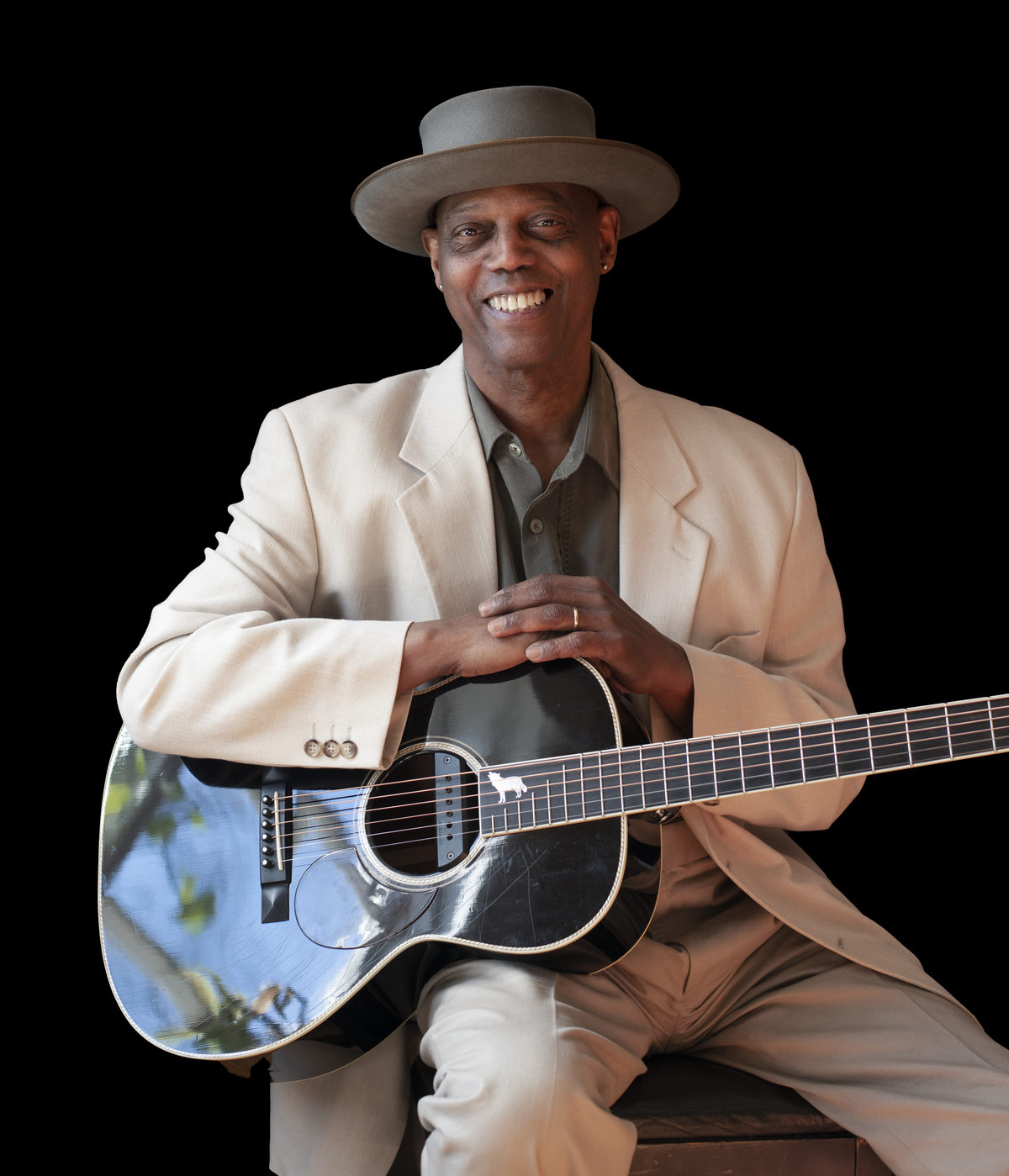
That sense of music as conversation still drives his work.
“Using music to bring people together is really what it’s all about,” Bibb says.
It also shapes his relationship with Australian audiences.
“The gratitude for us appearing comes before we even walk on stage,” he says. “If you have that kind of communication with an audience, it turns into a love fest.”
Each album, he believes, becomes a snapshot of its moment.
“My latest work is the most accurate reflection of what I’m thinking and feeling about the world,” he says.
The message behind One Mississippi is direct.
“We’re experiencing so much divisiveness,” Bibb says.
His response is conversation rather than retreat.
“We have to have real conversations,” he says. “We have to get past the anger and really learn from a good look at our past.”
The aim, he says, remains unchanged.
“I want people to communicate.”
“I want people to mix it up.”
“I want people to hear music that makes them hopeful about a future where there’s some kind of true peace and justice for everybody.”
“That might sound like a cliché,” he says. “But justice for everybody is not what’s happening in the world today. Peace is not what’s happening.”
So he keeps writing.
Eric Bibb plays at the 100 Acres Festival, Bellarine Estate, on April 18, as part of his Australian tour.
Share


Related Articles
Historic church reborn as live music venue
A restored historic church will reopen as one of Geelong’s…
Meet the Geelong performers who ran away to the circus
THREE former CircArts Geelong students have returned home as professional…