The road to WrestleWave
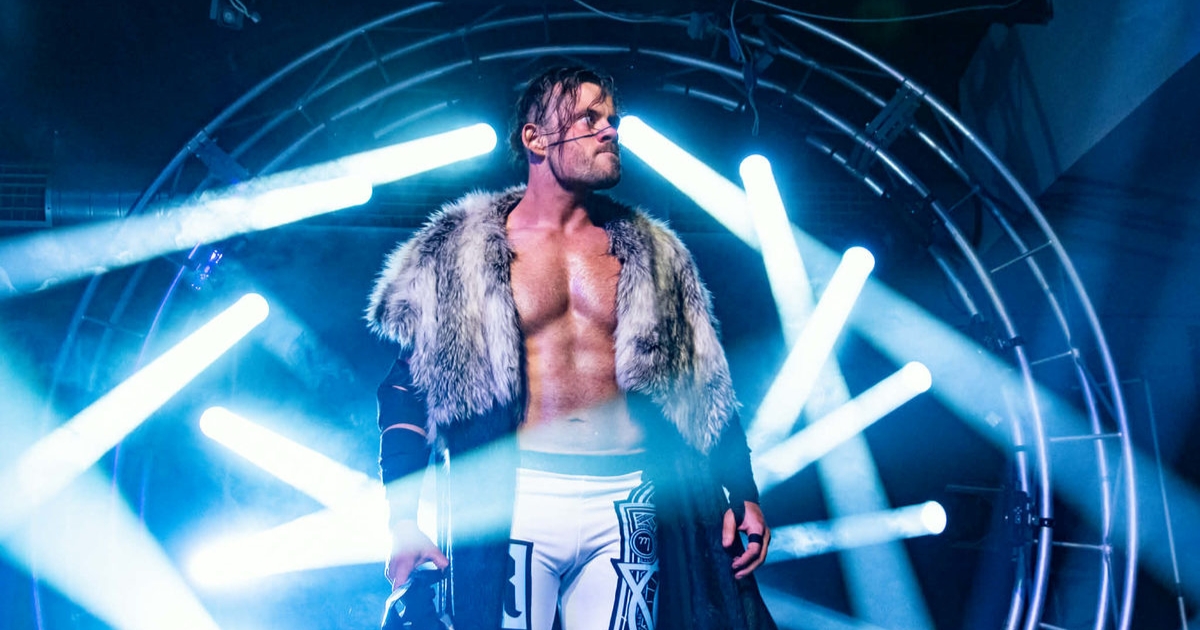
Next Sunday, Dusk, a staple of major Australian company Melbourne City Wrestling, will compete for the vacant OPW heavyweight title. Photos: SUPPLIED


ON most nights, Australian professional wrestling happens out of sight in suburban halls, industrial gyms and venues hours from home, long after the workday ends.
It’s built on sacrifice, time away from loved ones, hours of travel and bodies that hurt more than they probably should.
On January 25, that grind arrives in Torquay.
WrestleWave, a new family friendly event presented by Oceania Pro Wrestling (OPW), will take over Wurdi Baierr Stadium with six matches and a roster drawn from across the country.
At its heart are two locals – Edward Dusk and Jake Taylor – whose journeys reflect both the fragility and stubborn resilience of Australian wrestling.
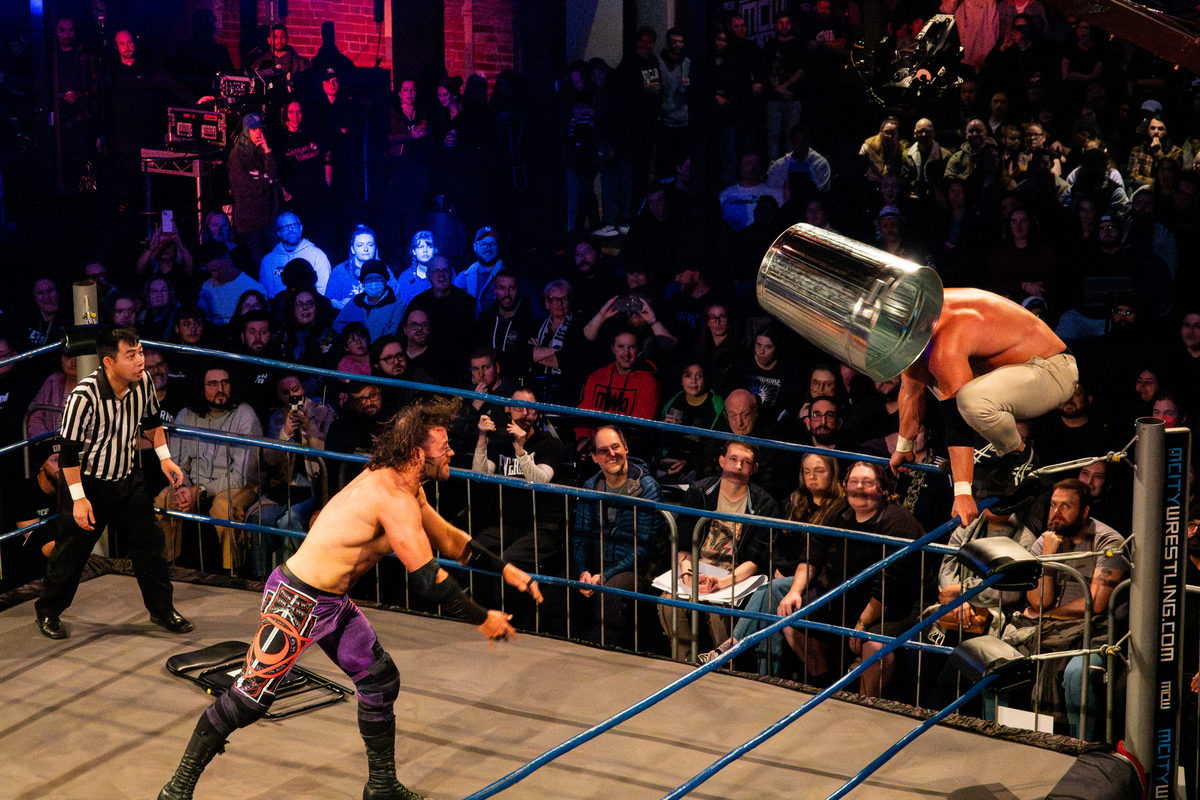
Dusk grew up in Whittington. Taylor lives five minutes from the venue. Both have spent nearly a decade chasing a sport that, as Dusk puts it, “doesn’t always love you back”.
Next Sunday, Dusk, a staple of major Australian company Melbourne City Wrestling, will compete for the vacant OPW heavyweight title, squaring off against Gold Coast rival Jesse Love in a coast-vs-coast clash with bragging rights on the line.
Meanwhile, Taylor will take on two Melbourne opponents in an exciting triple threat match.
Dusk and Taylor’s love for wrestling started young, sparked by the spectacle, but it wasn’t until 2017, when Geelong gained its first wrestling school, that they both got their start.
The Geelong school was short-lived, closing some 12 months later. It was then the real test began.
With no local option, a small group of trainees, including Dusk and Taylor, began travelling to Ferntree Gully several nights a week, carpooling, splitting petrol money, rotating drivers and getting home late in the evening, to keep their dream of competing alive.
“We used to drive five hours there and back just to go to training,” Dusk said.
“You’d get home at 10 o’clock – 10.30pm if we were lucky – and then you’re in bed [and] up for work the next day.”
Without the shared lifts and shared obsession, Dusk doubts they would have lasted. In the years that have followed the duo have built both a genuine friendship and a healthy rivalry.
“Aside from my wife, there’s nothing I love like wrestling,” Dusk said. “It’s in every sense, and as cliched as it is, it is everything. I couldn’t do it without the love that I have for it.
“Hard work and motivation will take you to a certain point, but passion and consistency will win out.”
That, and a little stupidity, he laughs.
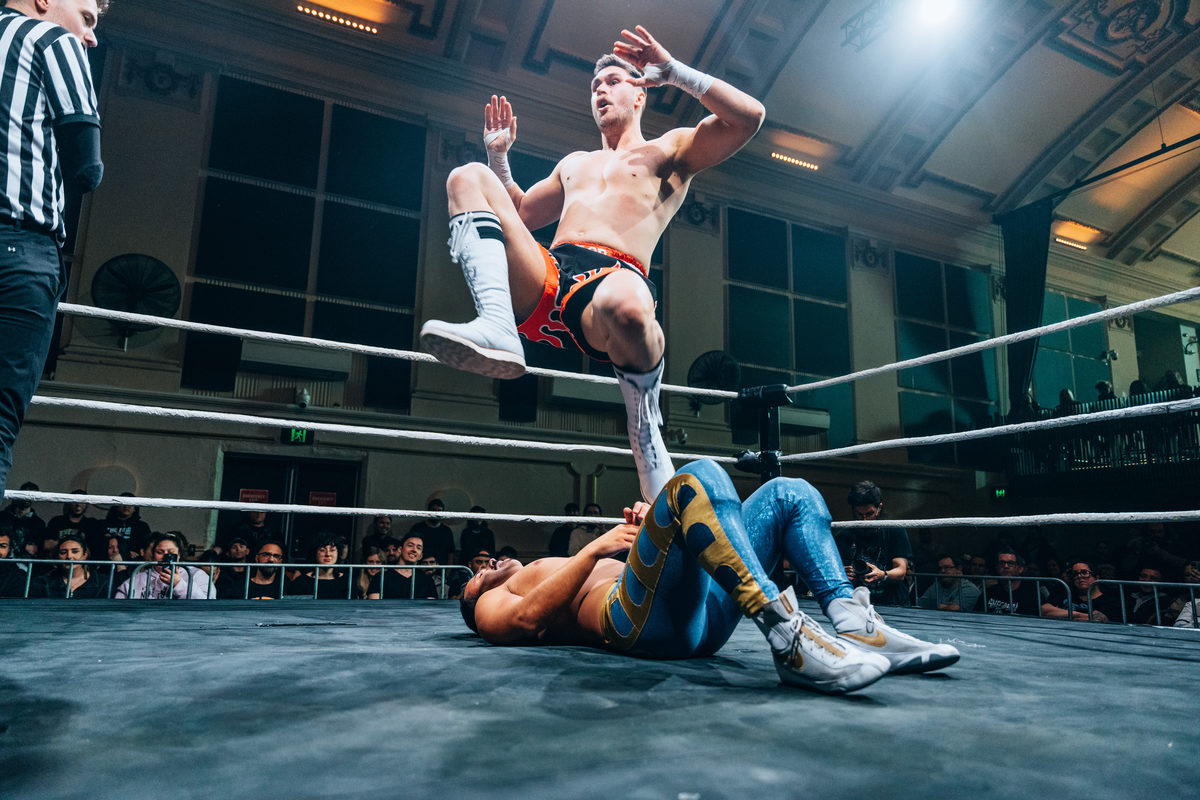
Taylor soon decided to chase opportunity offshore, first in New Zealand, then Japan. The move was motivated by the belief that to truly “make it” in wrestling, Australians had to leave the country.
He trained in the shadows of major companies, waiting for opportunities that were promised, scheduled, then quietly withdrawn when COVID hit. Taylor returned home to Australia needing to rebuild his profile.
Dusk stayed, grinding through the Australian independent scene, building momentum locally. He now trains in Melton, an hour away.
Both Dusk and Taylor speak about wrestling as much more than a sport. It is a creative outlet built around storytelling. It’s big and bold; theatre that, without much time to rehearse, demands a varied skillset.
“We’re telling a story, we’re telling a narrative, we’re building entertainment like a movie, like a TV show – we just happen to present as a sporting contest,” Dusk explained.
He describes it as theatre without the safety net and compares its performative nature to RuPaul’s Drag Race.
“All the same principles apply here,” he said.
It means character is everything. Taylor leans into his height and presence, playing up his arrogance; he’s the bully the audience loves to hate.

“Once that bell rings, my job is to make this crowd knows that I am the bad guy and [my opponent is] the good guy, because by the time this match finishes and one of us wins, we better hear this whole stadium booing us or cheering us all the way to the back” Taylor said.
“I might be getting booed by 50 to 1,000 people, but I’m having the best time of my life.”
Dusk has built his identity around being the outsider, crafting a distinctive look from fur coats, symbols and pagan imagery.
“I’m not your typical wrestler. I don’t look like once, I don’t move like one, I don’t talk like one, but that’s me. I’m the different one; I’m the weird kid.”
And some of the storylines take unexpected directions.
Dusk shares an example of a match with a classic set up – a hero and a villain – that transformed into a love story, when Dusk’s character stopped trying to prove himself to the “bad guy”.
“It became this story of how your wife sees you as everything you can be… Now I’m trying to win a wrestling match to prove that I am as good as my wife believes I can be, that I can be everything she sees in me,” he said.
“We had people crying in the crowd because I hugged her [my wife] afterwards. It was just a wrestling match, but a crowd bought into this story.”
“Wrestling is wrestling”, Dusk says, but it’s telling stories, invoking emotions, that makes it special.
The challenge for Australian wrestling is not talent, but visibility. While the sport enjoys mainstream exposure in the United States through television and streaming, but the local scene continues to fight for attention, particularly outside Melbourne.
For Dusk and Taylor, events like WrestleWave are a practical step toward closing that gap – taking wrestling out of suburban halls and into regional venues, and giving new audiences a chance to see the sport live rather than through comparison.
“We’ve got to be in this together,” Dusk said. “If we’re all trying to wait for the chance that we can jump over someone else or take someone else out, it’s not worth it.
“If we can all rise together, we can all have something really special.”
WrestleWave comes to Wurdi Baierr Stadium in Torquay on January 25. Doors open at 1pm. For tickets, head to opwtix.com.
Share


Related Articles
Time to dust ’em old boots
LIKE it or loath it, you simply can’t underestimate the…
The deadpan comic winning over Australian audiences
GEELONG audiences are in for a stellar night of comedy…