Year-round sun sense: why your skin needs care in every season
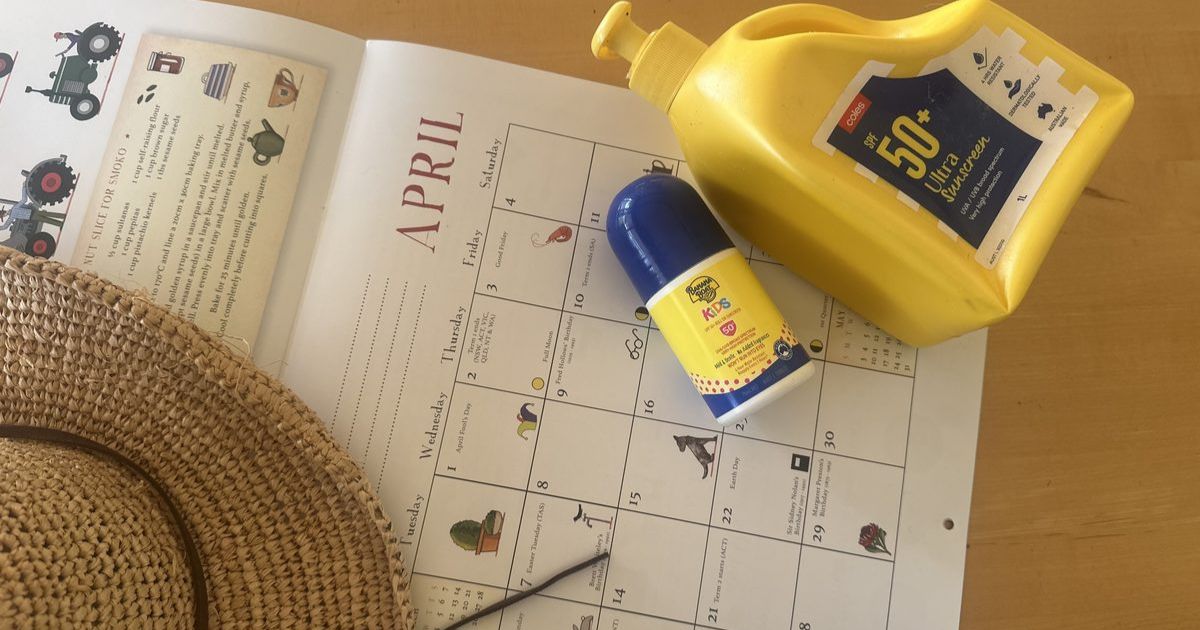
The Cancer Council recommends sun safety protocols are taken all year, especially if people work or spend a lot of time outside. Photo: NYAH BARNES


ALTHOUGH the weather is cooling down, the UV rays continue to cause damage to unprotected skin around Australia.
For Geelong woman Jenny Thulborn, sun safety isn’t an abstract message – it is the thread that’s run through more than three decades of her life.
She was just 30, when she first heard the word “melanoma” applied to a spot between her shoulder blades.
“I didn’t really know much about melanoma nor did anybody around me,” she said.
“People just thought ‘You get it cut out, that’s alright’, but I had about 100 stitches in the middle of my shoulder blades. I was told there was a chance it would spread through my body and kill me.”

That first melanoma set in motion years of check-ups, treatment and fear.
“It was always sitting there,” she said. “Every time I went and had a skin check, the anxiety that came with waiting for results was real… I just really wanted a person to talk to, to say ‘Yeah, I really get you and you have every right to feel the way you feel’.”
Eventually, the cancer did spread, to her brain and lungs. After multiple surgeries, radiation, seizures and cutting-edge immunotherapy, Thulborn has now been clear of stage 4 melanoma for 10 years, but the impact has been immense both physically and emotionally.
“It’s not just ‘Have it cut out and you’ll be fine’,” she said. “It changes your life… there’s the fear, the financial cost, in and out of hospitals, and it’s not fair on your family.”
That’s why she’s blunt about tanning culture. “Once you’re changing the colour of your skin, you are damaging your skin,” she said.
SunSmart experts agree with her warning that risk does not disappear when summer does.
“Sun protection is not only for summer. In Victoria, sun protection season lasts from mid-August right through to the end of April,” Cancer Council Victoria’s head of SunSmart, Emma Glassenbury, said.

“Due to their cumulative ultraviolet (UV) radiation exposure, Victorians who work outdoors need to be SunSmart all year round, even on low-UV days.”
“Even if it’s cool or cloudy outside, when the UV is 3 or above embrace all five forms of sun protection to lower lifetime risk of skin cancer.”
That means clothing, a wide-brim hat, sunglasses, SPF50+ sunscreen on exposed skin, and seeking shade.
Checking the SunSmart Global UV app or Bureau of Meteorology before heading out can make these habits easier to build.
Thulborn now treats sunscreen as part of her daily skincare, and encourages regular skin checks for her partner and adult children.
“Skin checks are really the best form of trying to catch it early,” she said. “But the best thing is not frying your body in the first place.”
Share


Related Articles
Shaped by the sea: The resurgence of Morgan Bridgeford
THE idea of creating again helped Morgan Bridgeford through the…
140-year-old comedy still strikes a chord
MORE than 140 years after it first premiered, Gilbert and…