Clubhouse leader
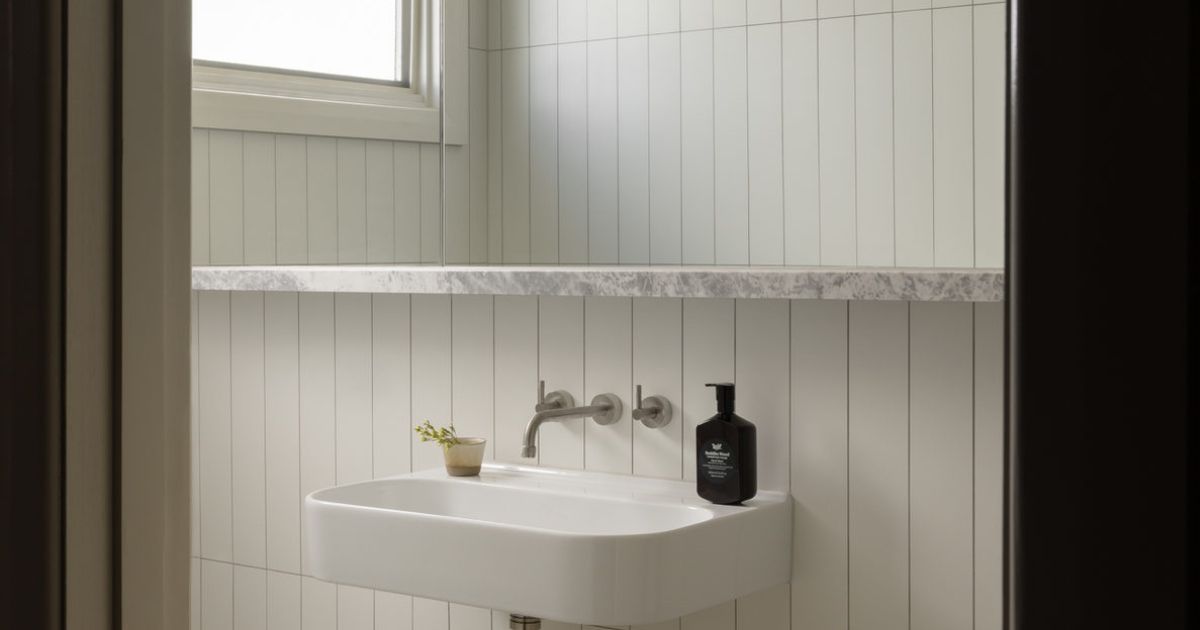


A carefully considered refresh has brought new life to a historic clubhouse in Barwon Heads.
The project, worth more than $20 million, was about six years in the making and was completed late last year.
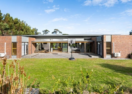
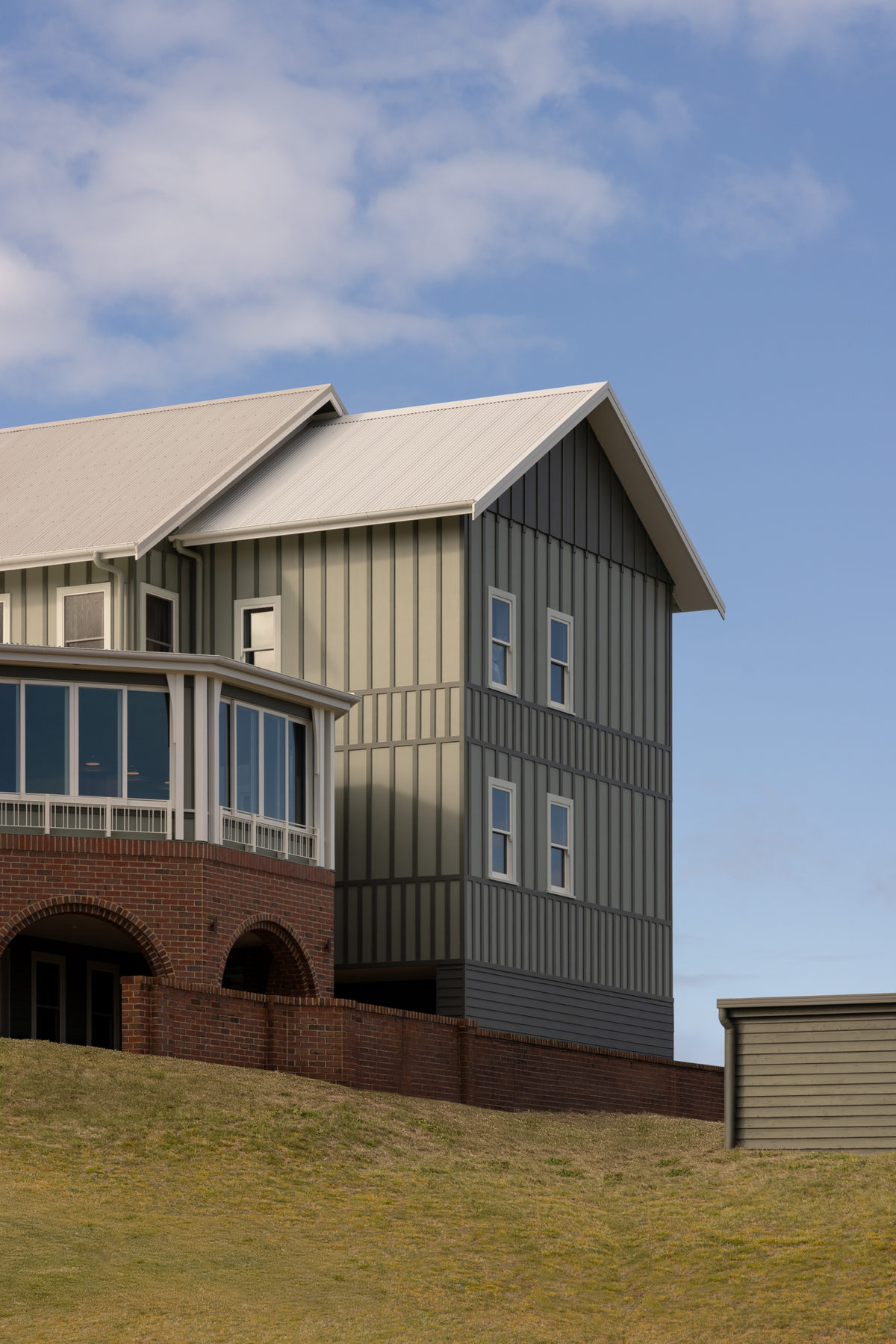
Overlooking 13th Beach, the Victorian Heritage Register-listed country club-style building at Barwon Heads Golf Club is just over 100 years old and was the first country club in Victoria and private residential golf club to provide accommodation.
Architectural firm Demaine Partnership won the club’s tender to design the project, with interiors by Nexus Designs and project management by BVC Projects.
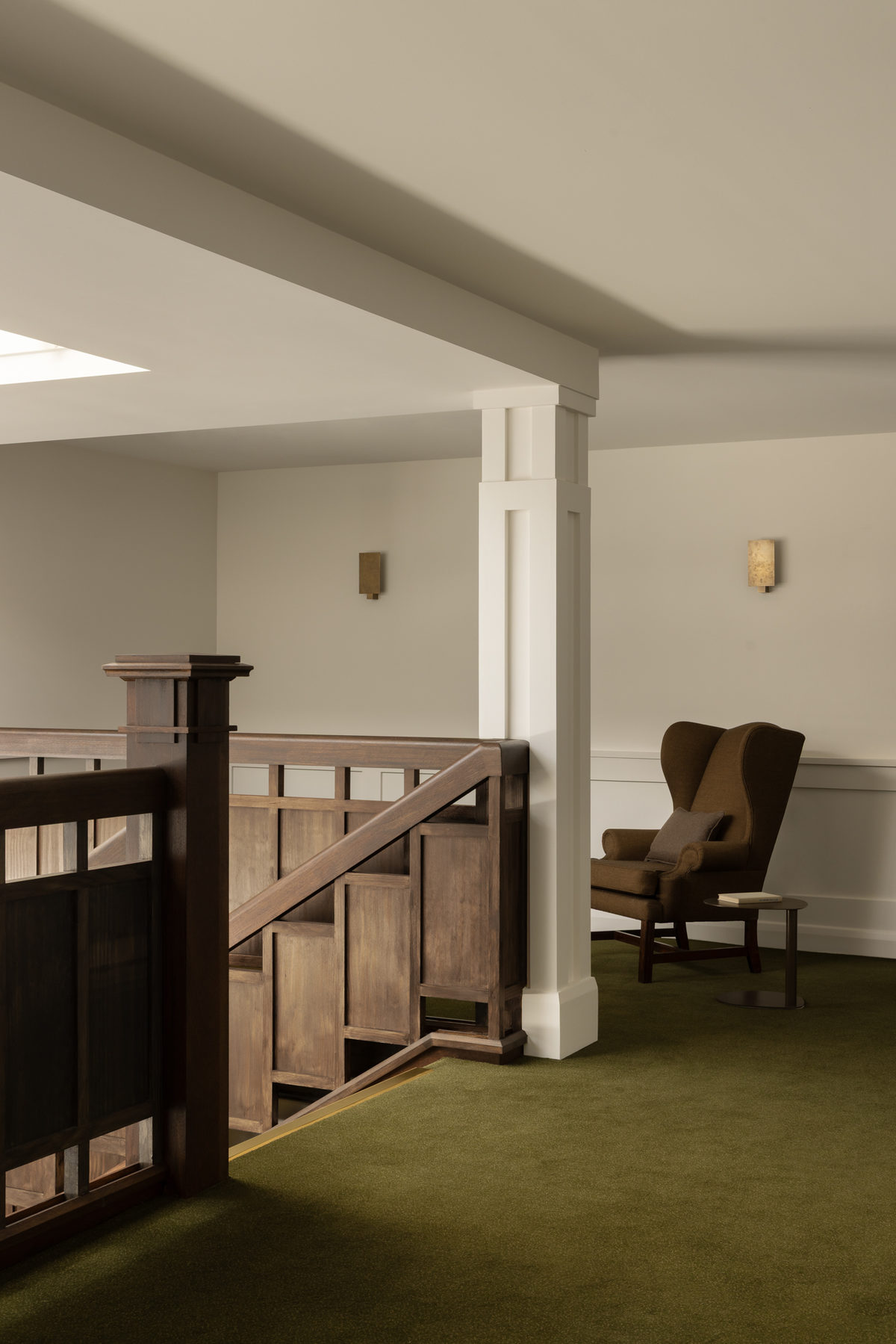
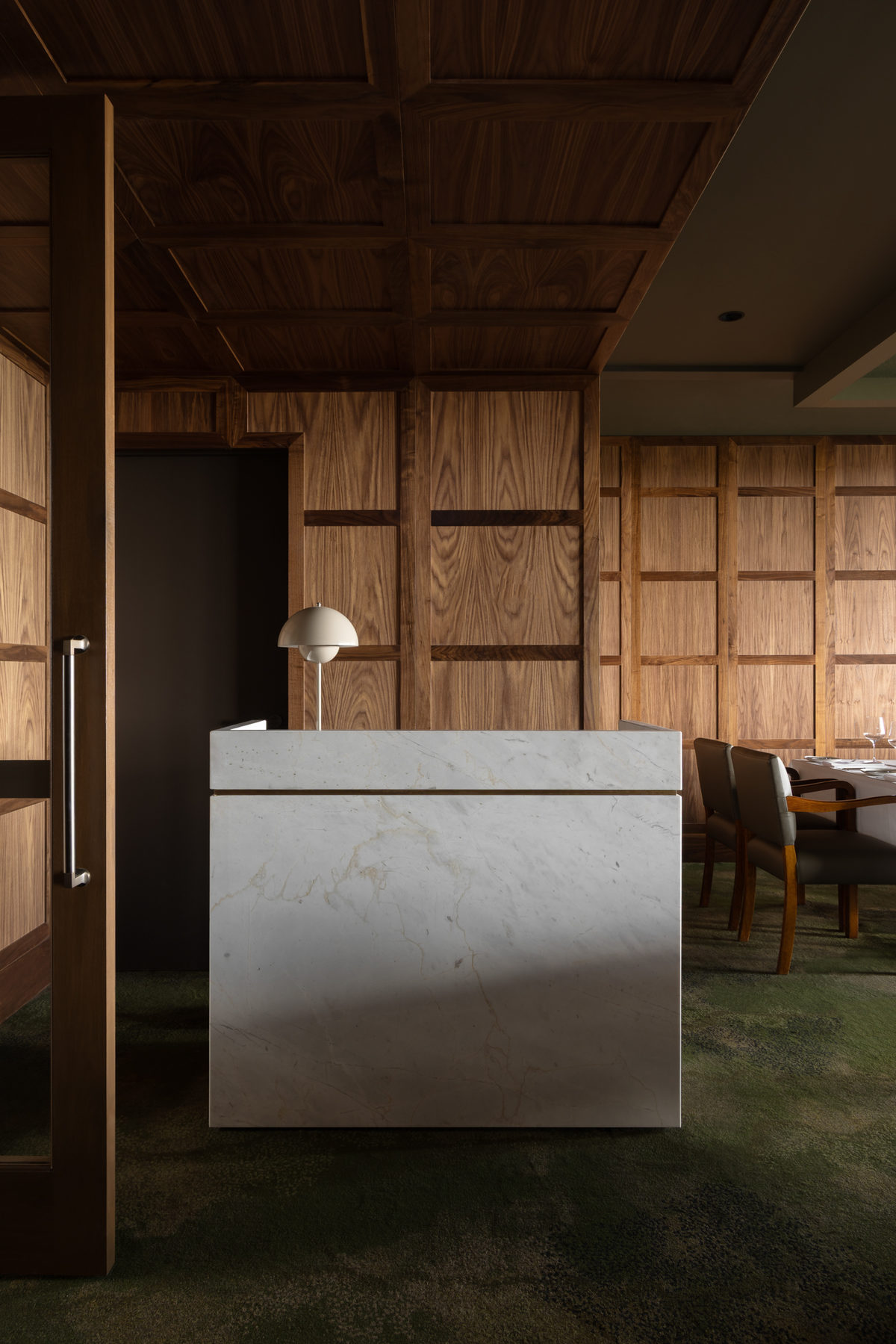
The works comprised refurbished accommodation, redeveloped conference, dining, billiard room, amenities, administration, new feature interconnecting stairs and remodelled back of house facilities.
Barwon Heads Golf Club had an initial expansion of accommodation and a refurbishment of the clubhouse’s kitchen in 1995.
“But it got to the point where there were a number of things about the clubhouse – the way it worked for the members and for running functions, a number of other services and technical problems as well – the building was getting pretty tired. So they went out to market and sought different architects to look at giving the whole building a pretty comprehensive overhaul,” Demaine Partnerships design director Michael Jeffreson said.
Founded in 1937, Demaine has been involved with golf clubs since the 1960s, with the firm noted for its work at some of Victoria’s most high-profile clubs. Its portfolio includes Royal Melbourne, Kingston Heath, Peninsula Country, Sorrento, and Yering Meadows.
Jeffreson said one of the key factors of the new design at Barwon Heads Golf Club was to improve the connectivity of the main floor of the building, which was previously fragmented into different zones. “When you come into the clubhouse there is a kind of formal heritage area at the front of the building that you obviously want to keep all intact and restored. But beyond that there was a whole lot of quite unrelated spaces – a casual bar connecting to the formal bar, an area that was kind of a transition zone between the commercial kitchen and the formal dining room that was used for administration, so it didn’t really have a proper place to set up for staff and the other things you need to do to run a modern golf club.
“Also, the floor was very broken up, so when you come into the club, you didn’t get a really clear vista into the main social spaces of the club, with the toilets in the way and little narrow corridors and tiny staircases. Now, the whole club when you walk through it, feels of one piece rather than being sort of broken into different areas of different character across the whole of the building.”
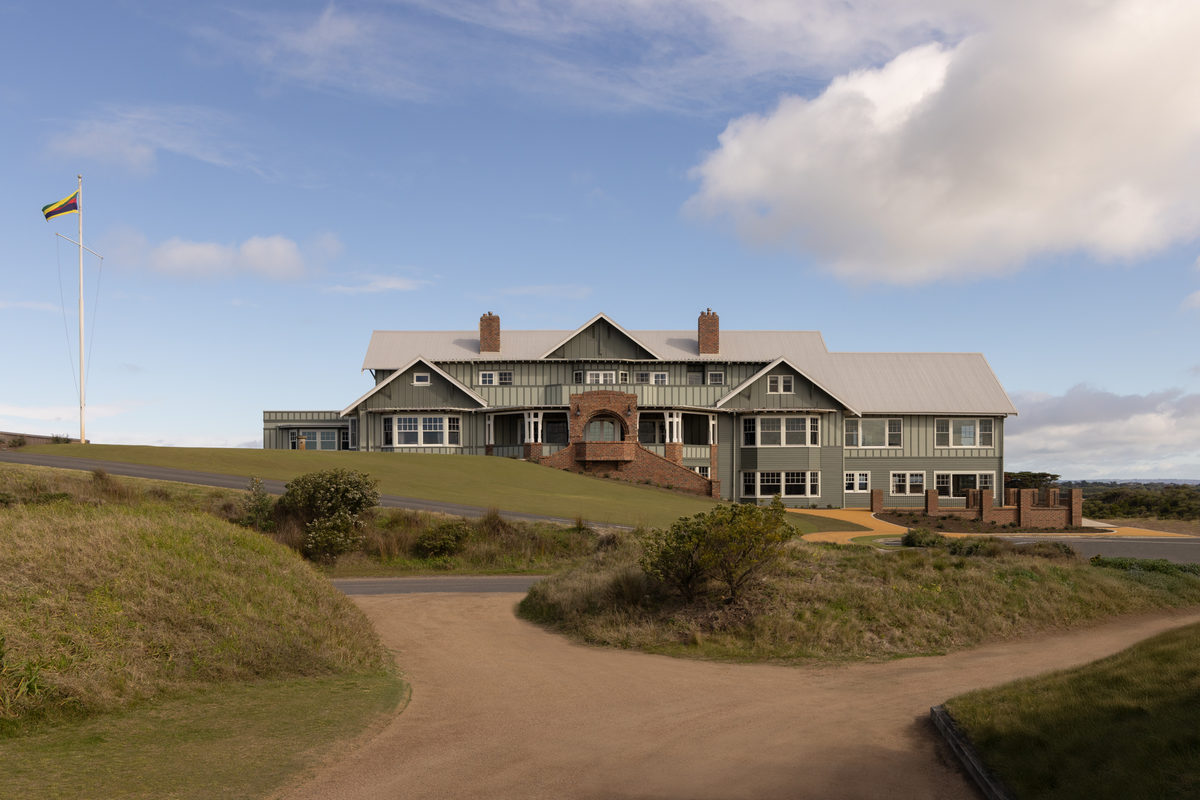
He said Barwon Heads Golf Club members were consulted closely on the heritage elements of the clubhouse, which date to 1924, with the front edge of the building facing east particularly important. “As you arrive, you can see those original facades and the rooms immediately behind those spaces are pretty much the original part of the building. So it was a matter of keeping those intact, not doing anything that was going to detract from those, and then to rework some of the newer spaces to make the whole building kind of sing from the same songbook, if you like.”
Demaine created a 3D computer model and renders of the proposed design to present to the membership. “You can compare the views and sketches that we did at the beginning of the process with the final product, and really, there wasn’t much departure from the original vision at all,” Jeffreson said. “So [the members] appear to be very happy with the outcome because we delivered what we promised. Most of the members understood the building needed a major overhaul, just in relation to compliance and regulations, but there were things that really needed to be addressed – air conditioning and heating and cooling were pretty clapped out.
“It’s a bit like a hotel. Typically you do a minor renovation every 12 years or so and then you do a major overhaul every 25 years; pretty much the same applies to golf clubs.”
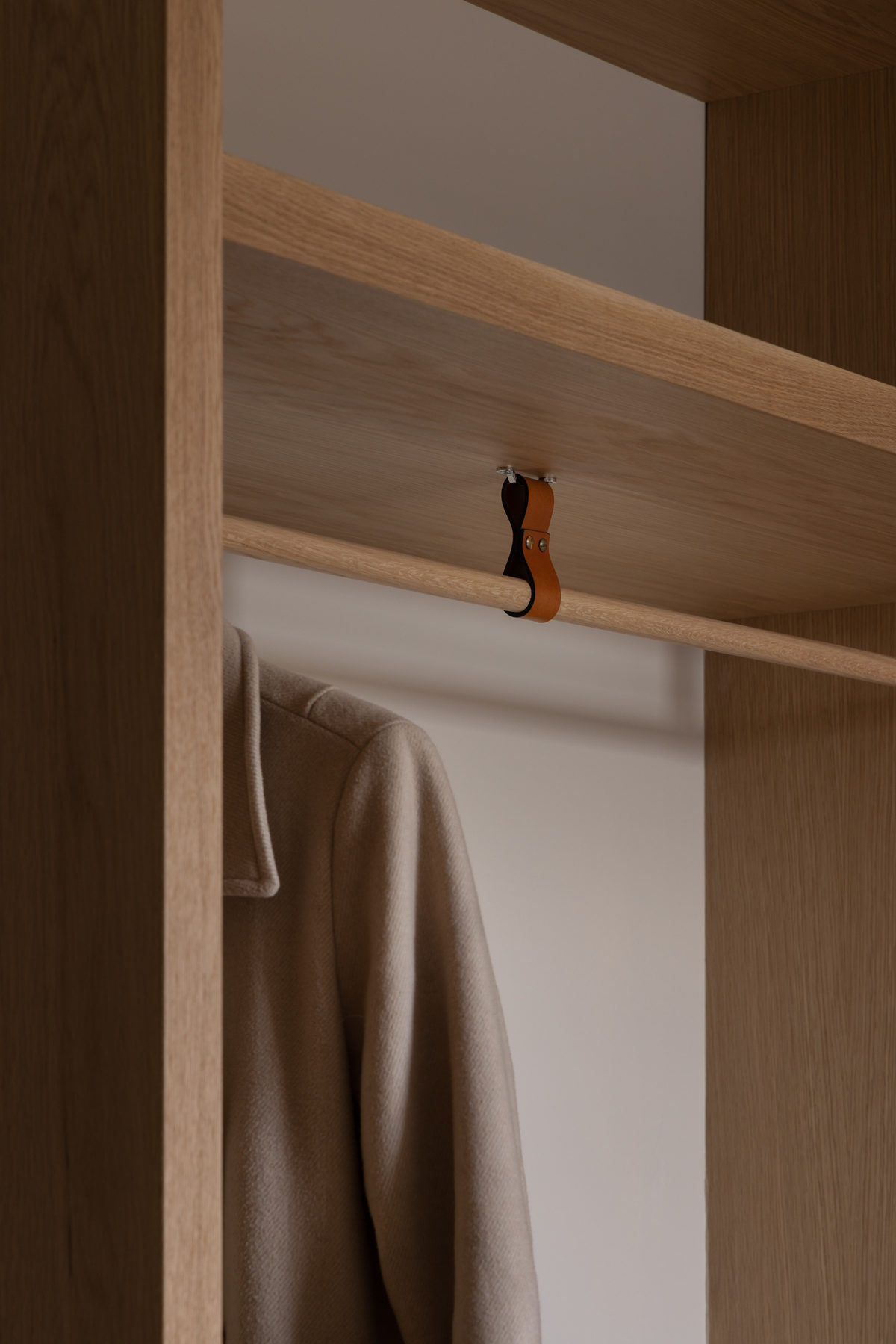
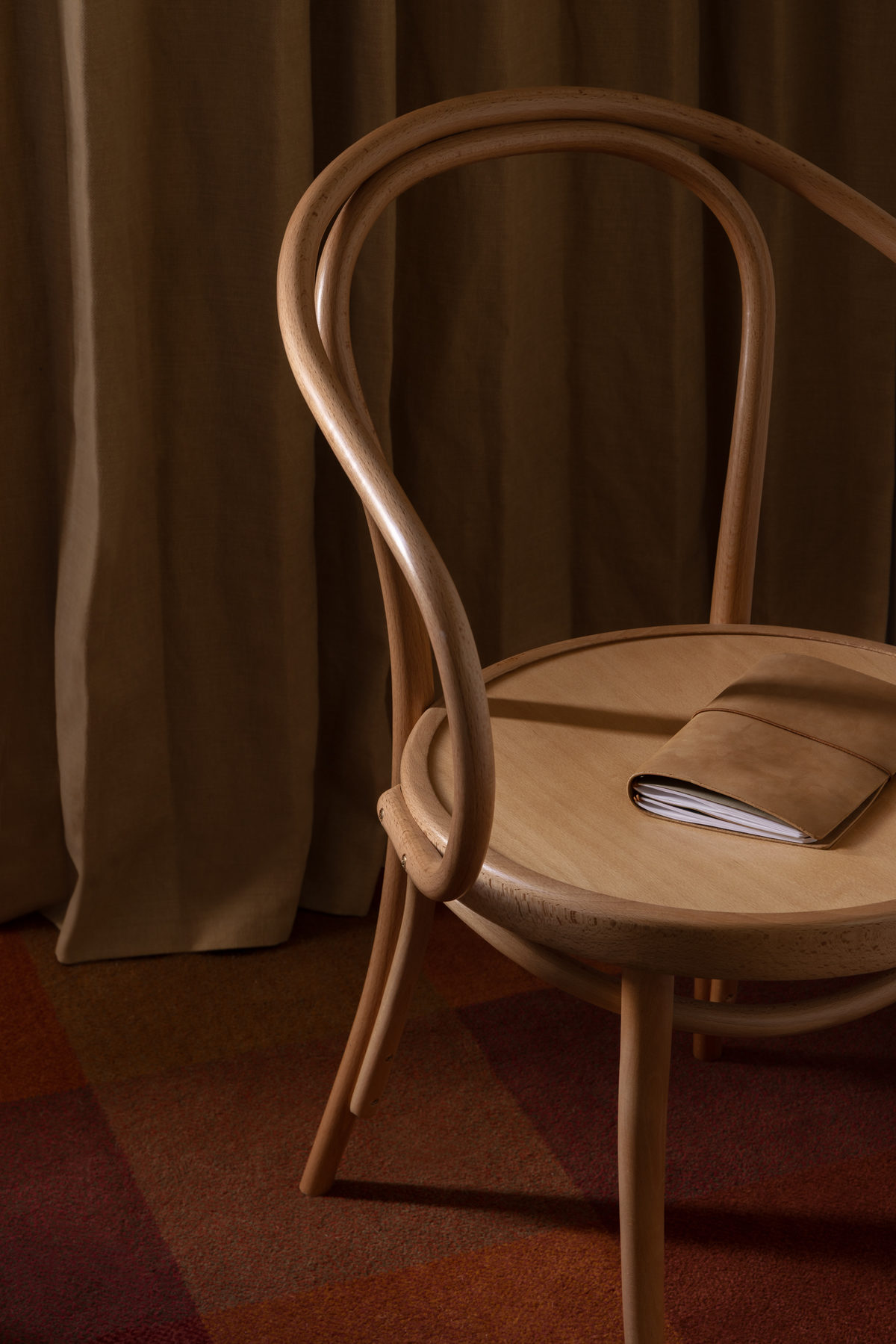
According to Nexus’ website, the clubhouse’s ground floor “anchors the experience, celebrating the original fabric with substantial forms, a dark and muted palette, and a sophisticated, textural approach that reinforces the building’s historic strength”.
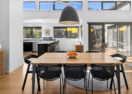
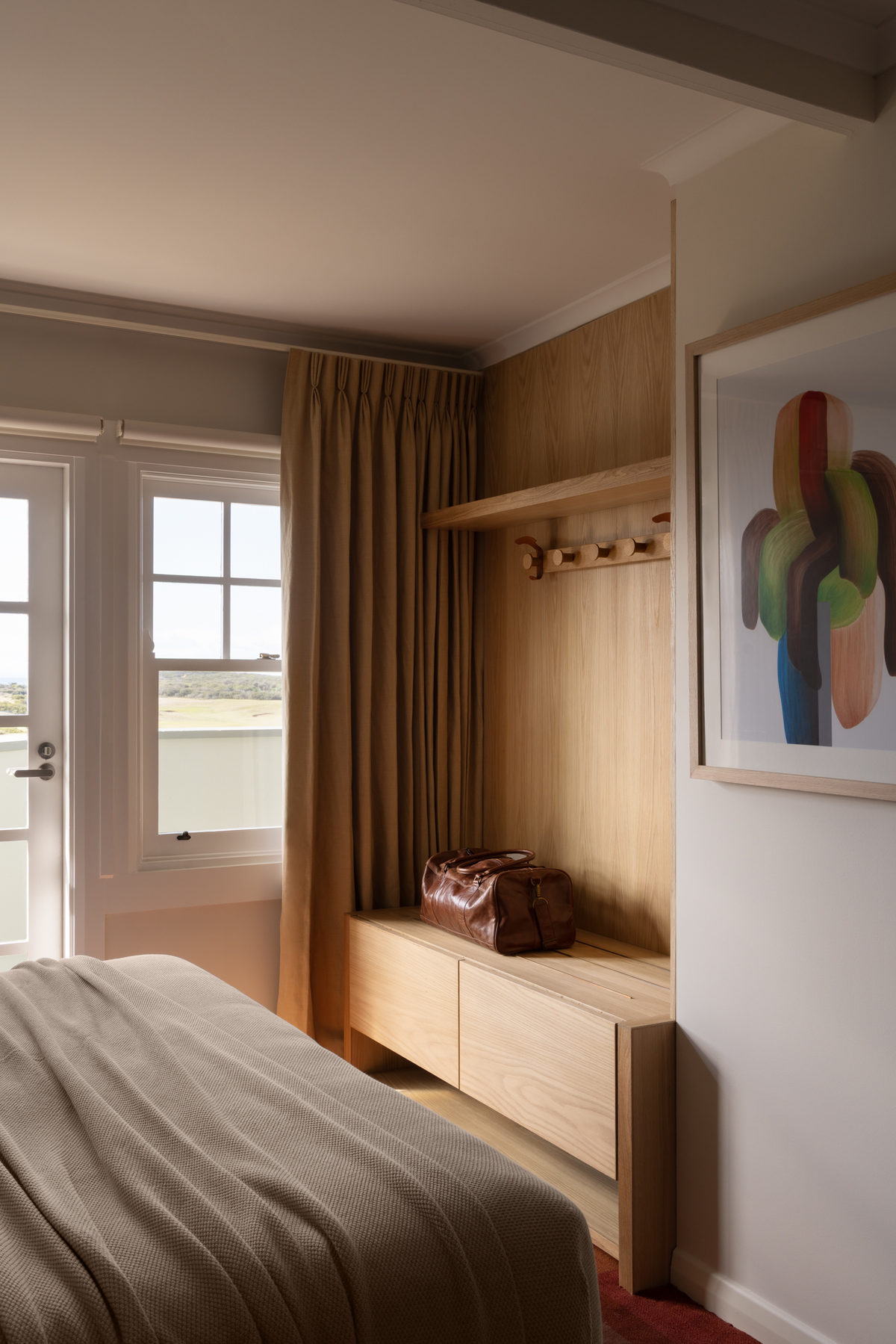
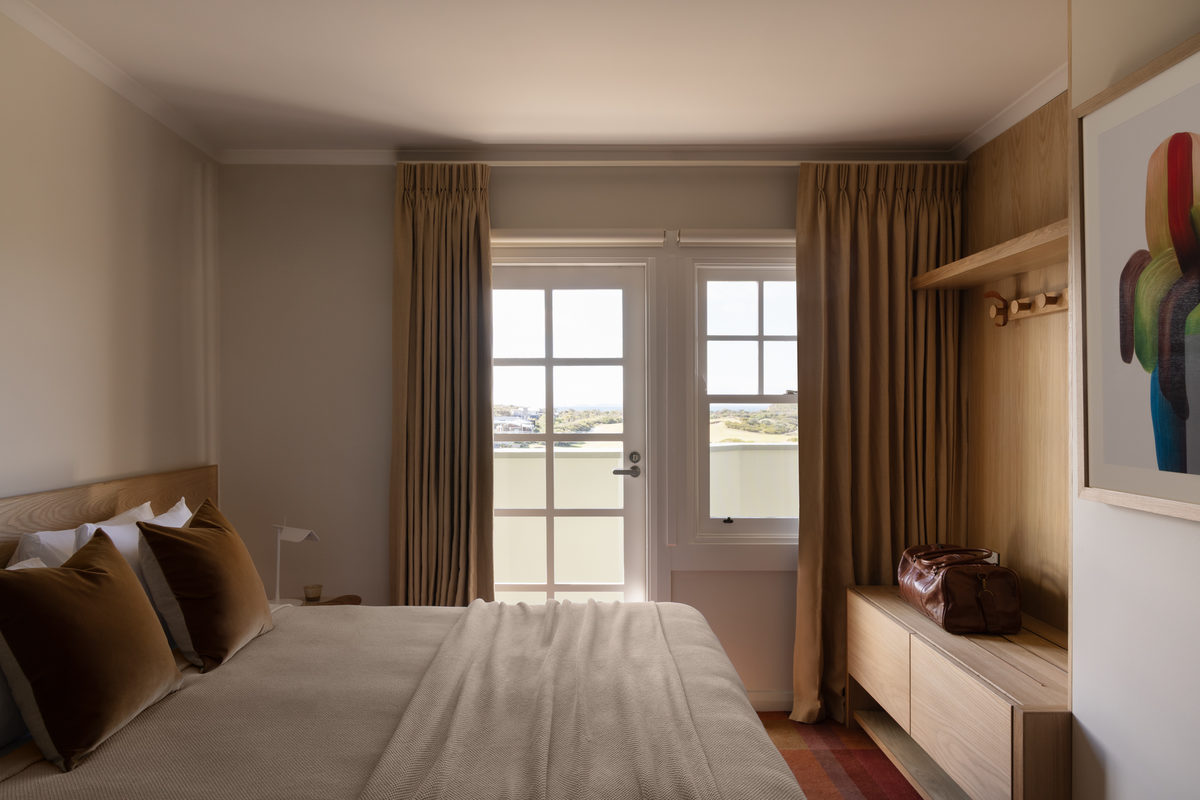
“The lower ground introduces a lighter, more relaxed and sandier palette, allowing the aesthetic to evolve more freely; here, the billiard room asserts its own rich and secluded identity. Level 1 continues this upward shift, adopting a softer, more refined sensibility that supports quiet relaxation and an elevated sense of calm.
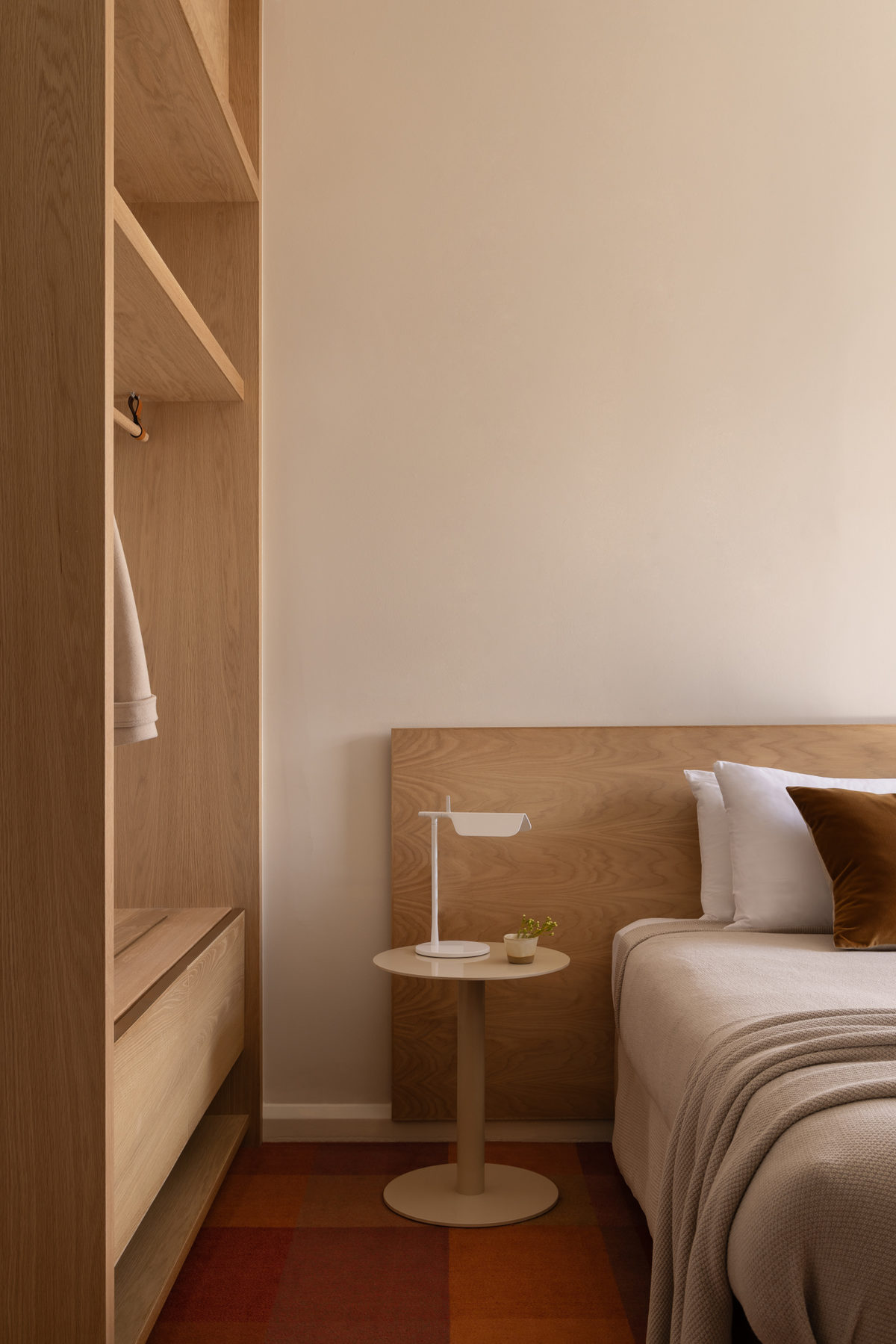
“Guided by pillars of tradition, identity, landscape, functionality and belonging, the design strengthens character and usability while ensuring the club remains both familiar and freshly renewed – an inclusive sanctuary shaped by legacy, craftsmanship and place.”
Share


Related Articles
Jess Gallagher reflects on local roots ahead of Commonwealth Games return
JESS Gallagher always loved sport. The Geelong-born para-athlete cherishes the…
Funding, designs push surf life saving club redevelopment forward
FRESH state funding and a finalised concept design have pushed…