From campus groups to sporting clubs, queer spaces help build community
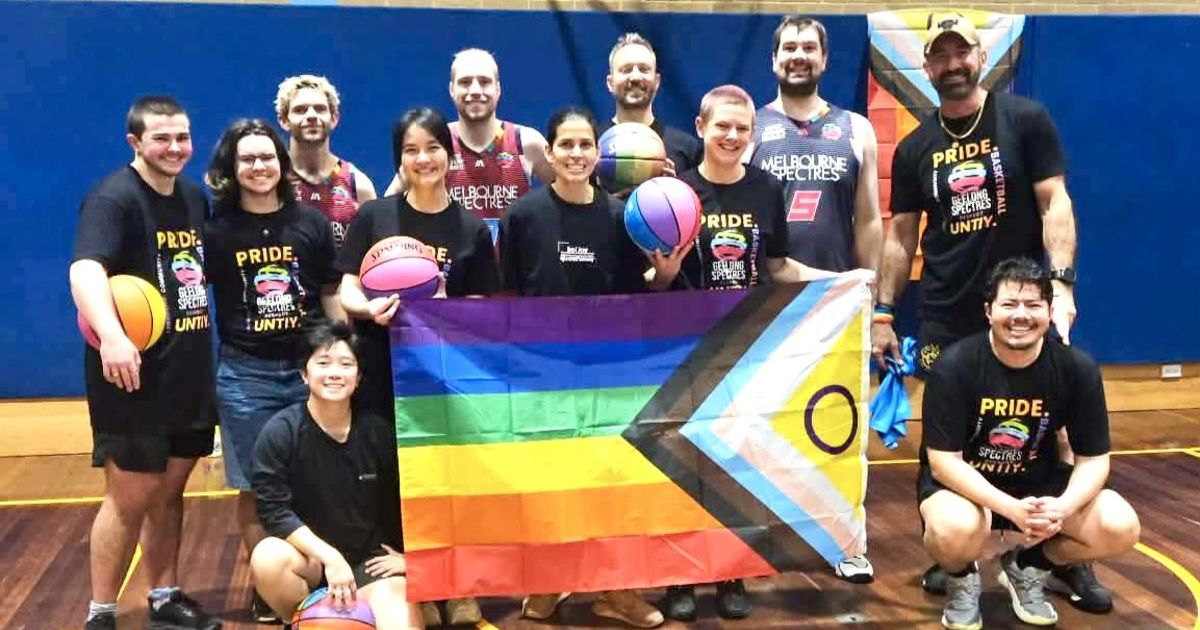
The Geelong Spectres launched on 12 June. Photo: Supplied.


LOCAL advocates say dedicated queer spaces remain vital in Geelong as people continue to search for community and peers.
More than one in 20 Victorians openly identify as LGBTQIA+, but supporters say dedicated groups and venues continue to play an important role in fostering connection, support and a sense of belonging.
For students at Deakin University, that support often comes through the Geelong Queer Collective.
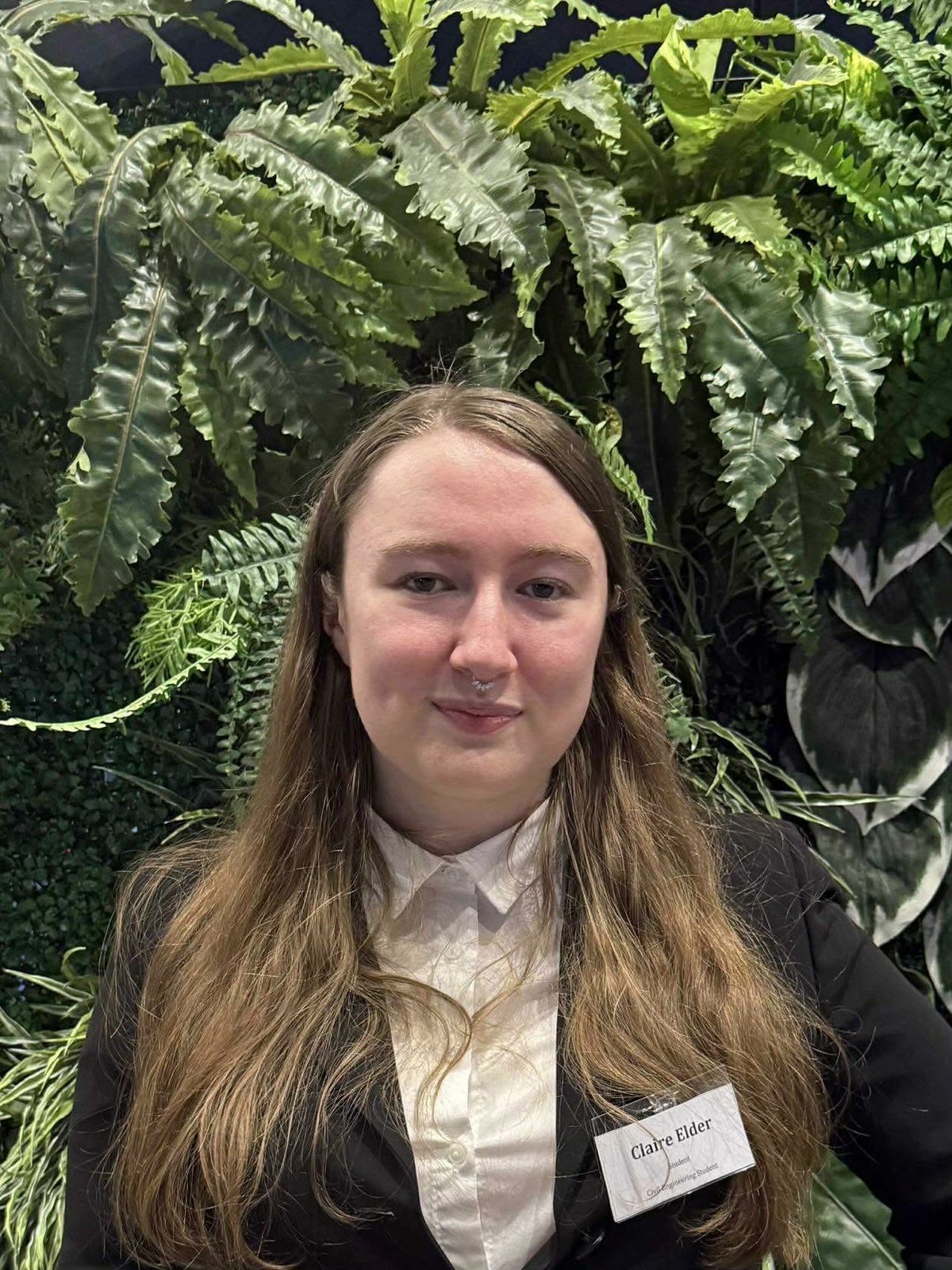
President Claire Elder said the collective provides important social and educational opportunities for both domestic and international students, particularly given the limited number of dedicated queer venues and spaces in Geelong.
“It’s really important to have a home base to ask questions, to meet people, to have a space to congregate in,” Elder said.
“[The collective] might not necessarily be the one facilitating friendships, but having spaces like the Queer Room at Deakin, allows people to hang out there and organically make friends.”
Elder said minority groups and marginalised people need dedicated spaces to be supported and have equitable access to community experiences.
The development of queer-specific spaces helps remove potential psychological barriers and heightened anxiety, allowing members to better engage.
“Homophobia and transphobia still exist,” Elder said.
“A lot of us still face it regularly and these groups exist to create safe spaces for people who would otherwise not have a space that’s entirely safe for them.”
The desire for community is not limited to students, with the demand for connection also reflected in the growth of LGBTQIA+-focused sporting groups.
While sporting groups across the Geelong region have increasingly participated in Pride events in the past five years.
One of the newest additions is Geelong Spectres Pride Basketball, which launched on 12 June as the eighth club in the national Spectres Australia network.
Chief executive and Geelong club president Andrew Bondini has been spearheading the operation for more than 25 years.
He hopes the new club will provide not only sporting but social and physical and mental health benefits to the local community.
“For the two-hour period that we run these sessions, we give people the ability to take all the weight off their shoulders and have a fun, safe, inclusive experience,” Bondini said.
“For regional communities, we want to focus on improving physical and mental health outcomes for that particular demographic.”
Early interest in the Geelong club has been strong and Bodini is looking forward to its next session, which will run in August.
He said there are no athletic expectations or requirements to come and play.
In the more than two decades he has been involved in Spectres, Bondini said he has developed relationships that have long outlasted time on the court.
Building lasting connections is one of the most important functions of queer spaces, Elder said.
“Even though they may not be in the group forever, we want to make sure that they can at least keep some connections or keep some of the social skills.
“It’s often a totally different ball game socialising in these spaces so we try support people now but also make sure that they’re good to go on in life.”
Share


Related Articles

Avalon opens Australia’s first Saudi trade corridor
Australia’s first direct trade corridor with Saudi Arabia is now…
Liberals rule out fracking, back gas exploration
THE Liberals will encourage more conventional gas exploration across Victoria…