‘I would have walked out’: Anne Stephen’s 27-year army journey
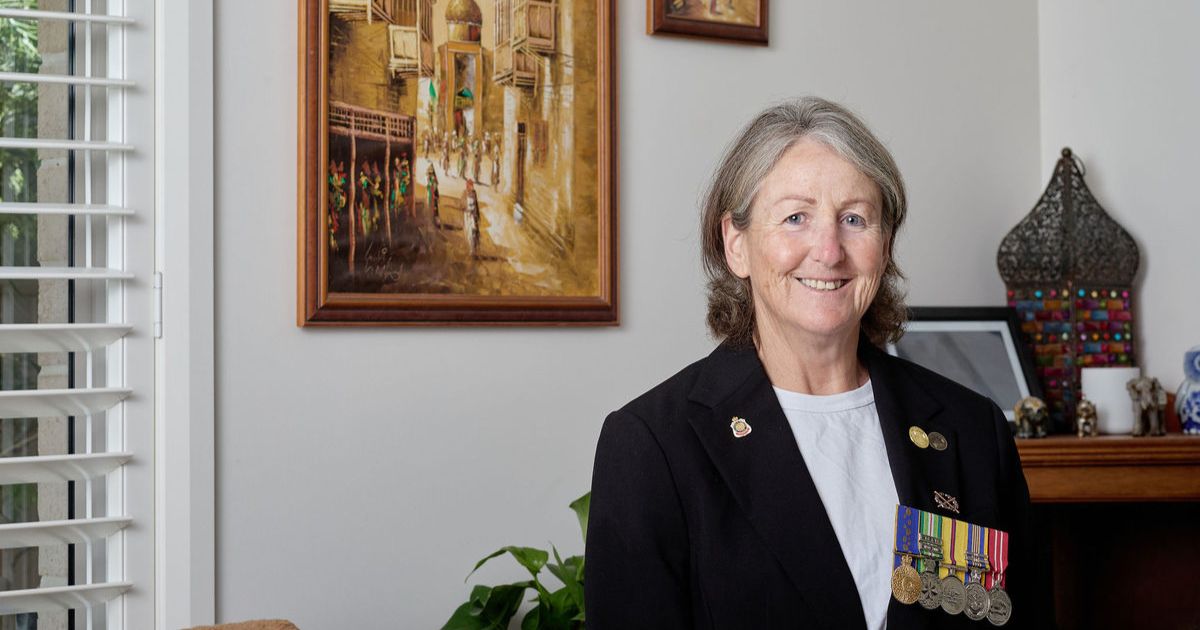
Anne Stephen has returned to the Surf Coast after her desire to leave led to a career in the army. Photo:Matthew O'Donnell/Hails + Shine.


ANNE Stephen wanted to quit after her first day in the army.
It was 1985 and she had enlisted in a bid to get away from her hometown of Anglesea.
The Australian Army had only accepted the first platoon of women to its Blamey Barracks in Kapooka, New South Wales earlier that year.
Stephen was one of 50 women accepted in the second intake.
“I just hated life. Anglesea was a great place to grow up but there was no transport, you couldn’t get a job and there was no bus to Geelong,” she said.
“I really wanted to go in at 17, but I didn’t have enough education. When they put the girls into Kapooka, they lowered the education standards just slightly to fill up, and I did the test and got through.”
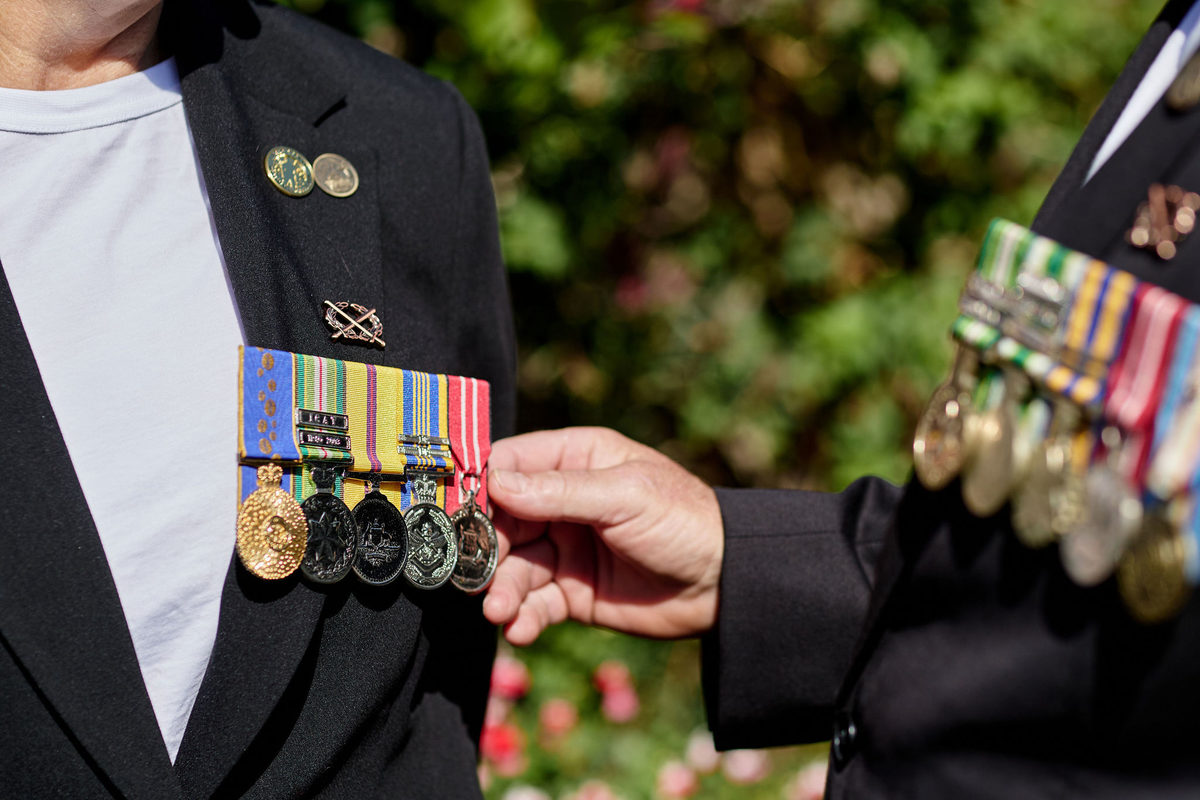
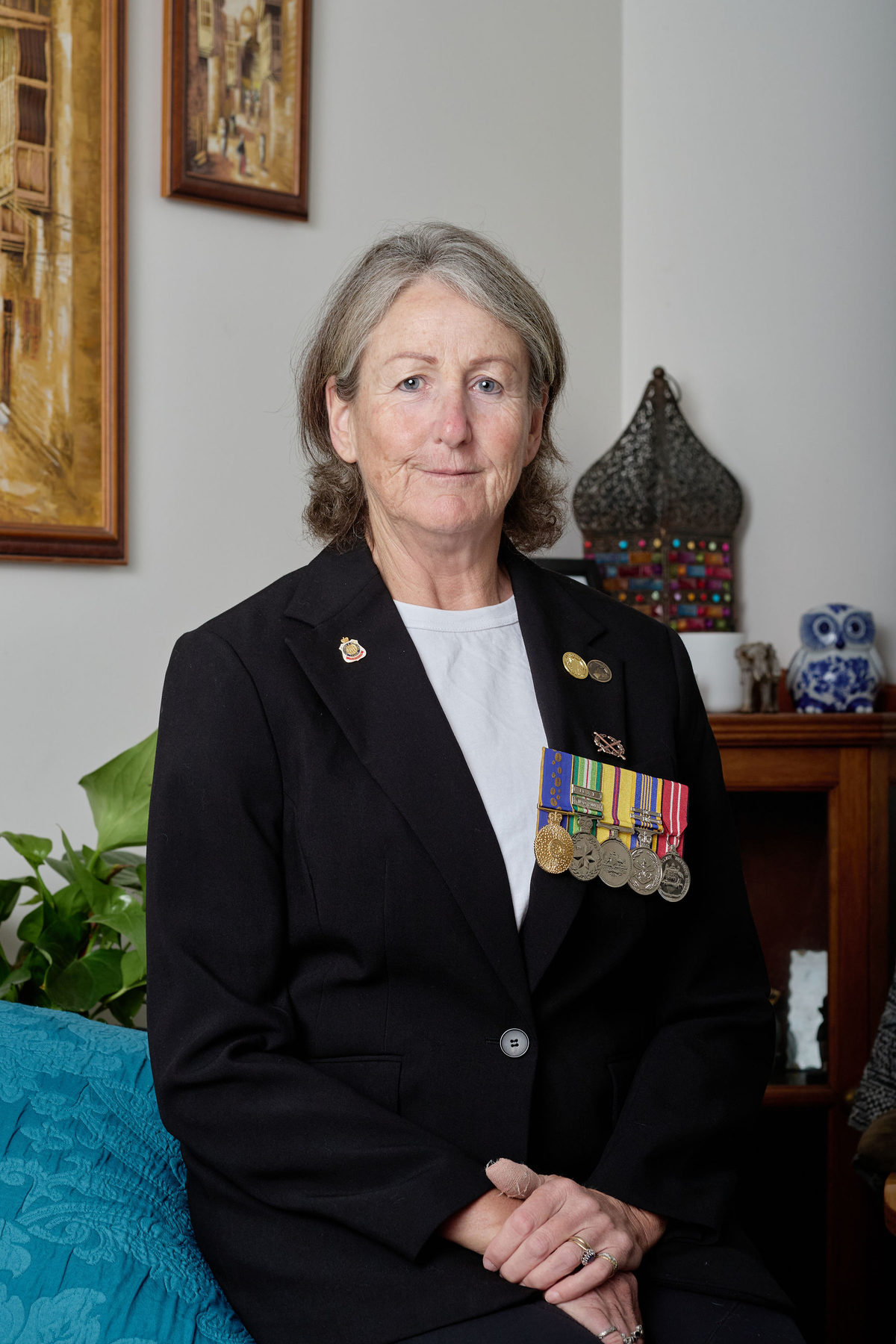
Stephen would go on to have a 27-year career in the army, including one deployment – to Iraq – which would lead her to become the first female sergeant to be awarded a Medal of the Order of Australia during wartime.
But first, she needed to survive basic training.
It would take years before the training program was adapted for female anatomy and early female recruits paid the price.
“It was very hard and difficult,” Stephen said. “A lot of the girls got injured because they didn’t change anything.”
At the time, new soldiers didn’t have the freedom to back out.
“We signed our contracts before we went in. I would have quit on the first day; I wanted to quit the second day,” Stephen said.
“I would have walked out. I think most of us would have.”
Trucks to transfers
For the first decade Stephen worked as a truck driver and she loved it.
After injuring her arm, she was deemed no longer fit to drive due to the heavy lifting required to change large tires and load and unload the trucks.
So, she moved into administration.
“Administration sounds really boring, but you do so many different roles,” Stephen said.
“I did training development, career management. I worked on movements in big, big areas, working with the movements of hundreds of people around the country at once.
“It was a huge job. There are 25,000 members in the army and we were looking after pretty well all of them.”
The skills she developed here would aid her through a deployment in Iraq.
Deployed as an individual, not with a unit, Stephen said her time in Iraq has shaped her into the person she is today.
“When I look back at it, we were obviously there for the wrong reasons, but we didn’t know that then,” Stephen said.
“I knew nobody and when I came out of there, they were like my family.
“You sleep, you breathe, you ate, you stay safe in amongst them.”
While there, Stephen and her team raised the unit from the ground up. For four months people came and went, two, 10, 20 at a time.
Beds, food and supplies were short. Every day was a different experience.
“Some people get up there, and they can’t cope. You’ve got to make sure they get through as well,” Stephen said.
“The only reason I did well is because I had to.”
Standing with other veterans
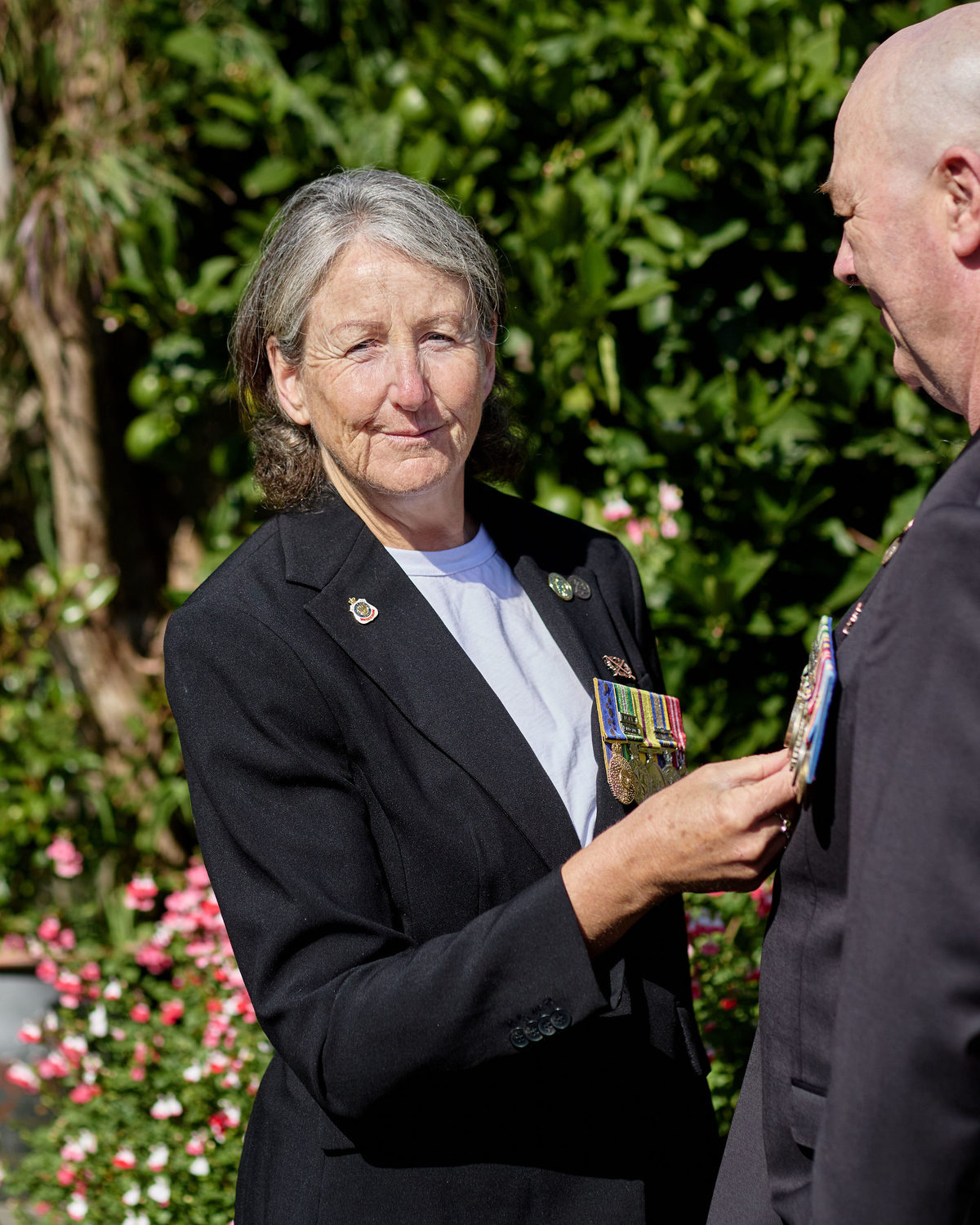
This Anzac Day, Stephen has been invited to speak at Anglesea RSL’s service.
It’s an important day for her to reflect on the servicemen who served in the first and second world wars. Recently, she has started to feel it is just as important for modern soldiers.
“I’m not very good at self-praising but I’m starting to see that for me and for my friends and the people who are having hard times, I think this is a day they can come together and have a good day,” she said.
As for her own hard times, Stephen has no regrets.
“I’m a 62-year-old woman who has been discharged mentally from the defence force. My body is broken, my mind is not always normal, I suffer from PTSD and anxiety, but I would do it all again.”
Share


Related Articles
Teachers walk off the job for second time as AEU pushes government for deal
Victorian public school teachers will strike for the second time…
Writers explore the power of collaboration
COLLABORATIVE writing will be the focus of this year’s Midwinter…