Increases to ESVF levy frozen
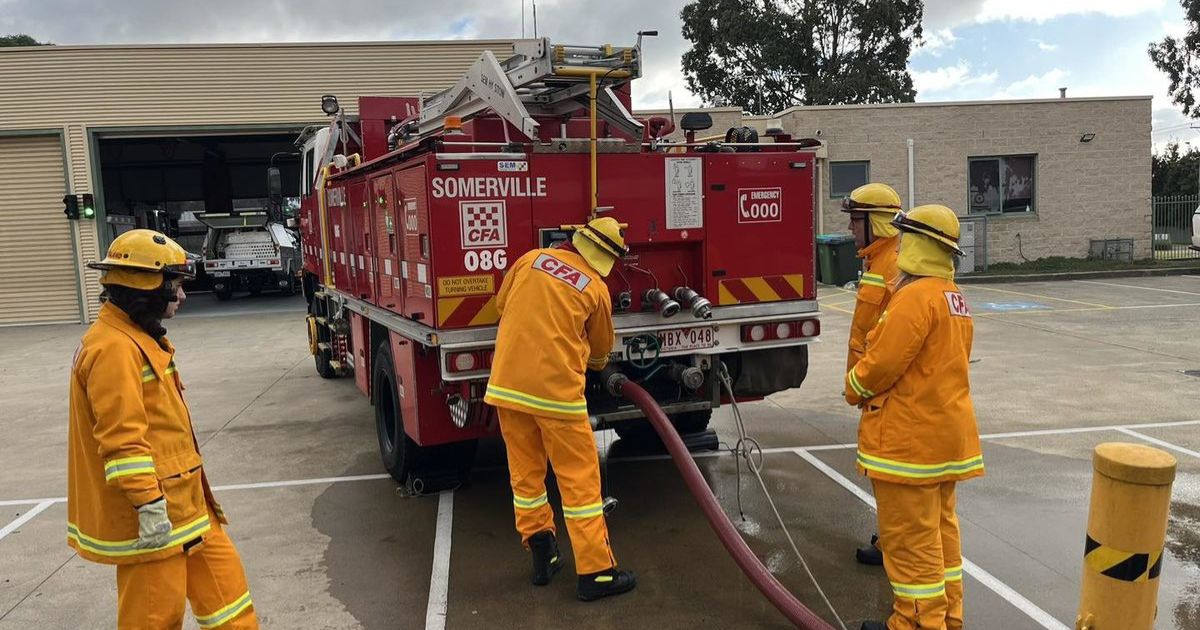
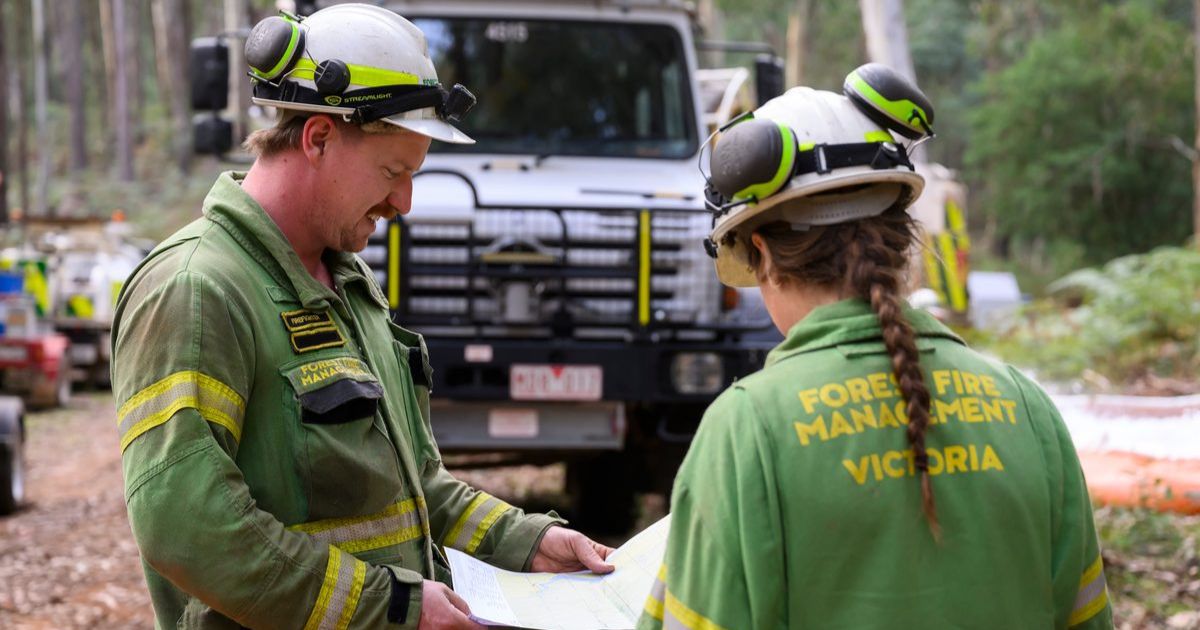
The Emergency Services Volunteer Fund is intended to support the work of a wider range of the state's emergency services that respond to fires, floods, storms and other emergencies. Photo: SUPPLIED


VICTORIAN ratepayers will not experience a hike to the contentious Emergency Services Volunteers Fund (ESVF), with the Victorian government pausing increases to the levy for nearly two years.
Coming into effect on July 1, the ESVF replaced the Fire Services Property Levy and is intended to support the work of a wider range of the state’s emergency services.
Local governments, including the City of Greater Geelong and the Surf Coast Shire, are upset at the impost of the ESVF on their residents and that they must collect the ESVF on the Victorian government’s behalf but will see no direct benefit.
But, in its budget update, handed down on Friday last week, the government froze increases in the Emergency Services Volunteer Levy until July 1, 2027, and also lifted the property value threshold for volunteer exemptions from $5 million to $10 million.
According to the update, the pause is “to provide time to finalise and test information sharing arrangements”.
Under the previous policy, the ESVF residential fixed charge of $136 would have increased to align with the non-residential fixed charge of $275 on July 1, 2026.
Victorian Farmers Federation (VFF) president, Brett Hosking, said farmers would be breathing a huge sigh of relief.
“This tax was set to rip hundreds of millions out of the pockets of cash-strapped farmers in the middle of a record-breaking drought.
“Freezing the levy and increasing the exemption threshold acknowledges the massive pressure farmers have been under, particularly following years of drought and escalating operating costs.
“I would like to thank Premier Jacinta Allan, Treasurer Jacyln Symes and Minister for Agriculture Ros Spence for listening to farmers across Victoria.”
He said Victorian farmers told the VFF that the ESVF was their number one issue.
“It’s a step in the right direction, now we need real reform so we aren’t staring down the barrel of the same tax in two years’ time,” Hosking said.
“A pause is great, but we need a permanent and fair and equitable funding model that reflects modern realities and doesn’t continue to load disproportionate costs onto property owners.”
Share


Related Articles
Teachers walk off the job for second time as AEU pushes government for deal
Victorian public school teachers will strike for the second time…
Writers explore the power of collaboration
COLLABORATIVE writing will be the focus of this year’s Midwinter…