Locals say: Rising fuel costs are changing habits
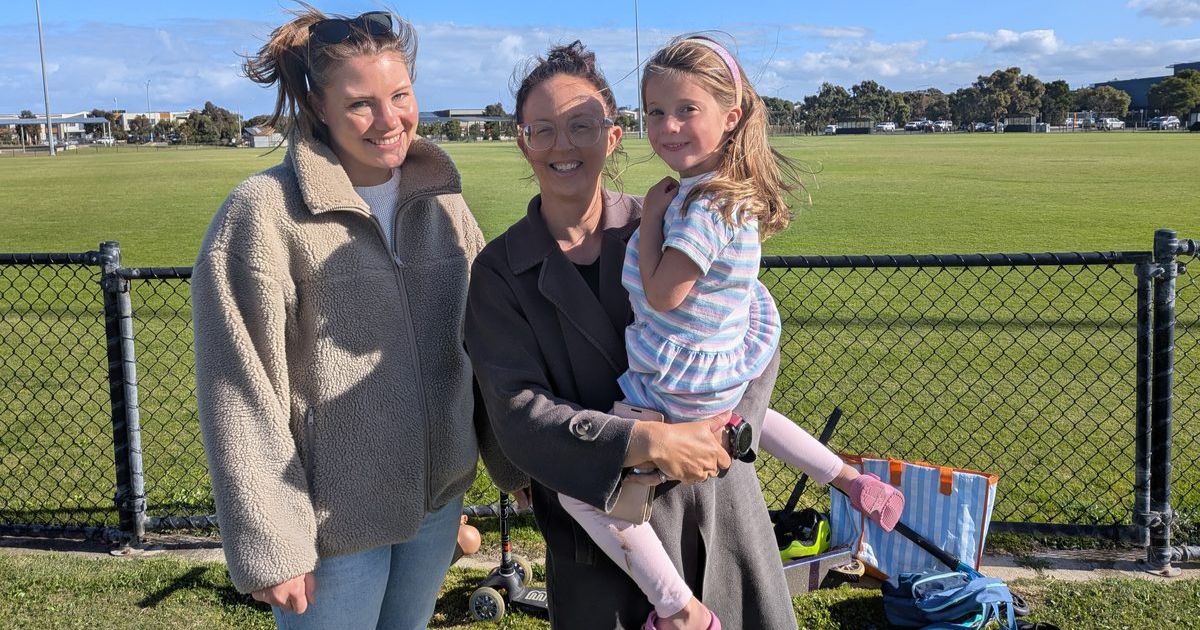
Torquay locals Julia Hein and Justine Brame have been watching petrol prices closely. Photo: Tahlia Sinclair.


AS fuel prices continue to fluctuate, locals are considering how and where they use their vehicles.
Conflict in the Middle East has caused fuel prices to spike across the country, with Geelong’s average climbing steadily through March to a peak of $2.52 a litre in the week beginning March 30.
Torquay business owner Phil Grant has been watching the price of fuel closely.
While he has been cutting his personal usage where possible, he has no choice but to absorb the costs at work.
“I’m trying to [watch fuel usage] on a personal note,” Grant said. “From a business point of view, no – I still have to run a business, but our expenses are going up that’s for sure.”
For some, the rising cost has changed everyday habits. According to some Surf Coast residents, trips into Geelong have become less frequent.
Julia Hein has become more selective about when and how she drives.
Unable to cut down on her partner’s fuel usage due to work, the couple has been using a gas-powered vehicle and avoiding trips from Torquay to Waurn Ponds for small things.
Others have shifted modes of transport.
Armstrong Creek resident Hannah Gaylard is among those taking advantage of free public transport, introduced by the Victorian government last month to ease cost-of-living pressures.

“I’m catching the train to work,” Gaylard said. “The prices are skyrocketing, but [there’s] also that little bit of fluctuation from day to day.”
Free public transport has since been extended until the end of May, with fares to return at half price for the remainder of the year.
Even with added transparency measures – including new state laws introduced in March requiring clearer fuel pricing – many households say there is only so much they can change.
For Herne Hill’s Clare McKay, family commitments leave little room to cut back on fuel usage.
“It is hard with kids because we’re locked into lots of activities that we still have to get them to,” McKay said.
“We’ve been making them ride a little bit more if they want to go to the shops, but in general we haven’t been able to cut down much.”
A recent trip to South Australia further highlighted the increases in fuel prices, with McKay estimating fuel there was 30c a litre higher than in Geelong.
Visitors to the region are also feeling the pinch.
Steve, who did not want his surname published, chose to take the train to Torquay to visit his son rather than drive. He called the decision easy while public transport remains free.
Others are still opting to drive, but not without hesitation.
Berwick local Michael Legg made the trip to Geelong for an engagement party, though admitted paying around $100 to fill his small car was difficult to stomach.
At home, he has been cutting down on smaller trips and walking where possible.
Across the region, residents say they are monitoring prices more closely than ever – using apps, comparing service stations and timing their fill-ups.
Share


Related Articles
Molly Smale knows the system – now she has helped change it
Three Geelong locals have used their firsthand experience of the…
Free V/Line travel after 24-hour rail shutdown: here’s when
Two days of free V/Line travel have been announced for…