Online gambling concerns grow despite reform push

The Albanese government has responded to the "You win some, you lose more" report. Photo: Gambler's Help.


GEELONG gamblers put more than $12 million through poker machines in April, but local support services say online betting is driving a growing share of gambling harm in the region.
The federal government released its long-awaited response to the “You win some, you lose more” report this month to little fanfare.
Two years since the report was tabled, the government has ‘noted’ the 31 recommendations provided by the committee, pointing to gambling reforms announced in April.
“The government notes the 31 recommendations made by the committee,” the response reads.
“The government announced a package of gambling reforms on 2 April 2026, to better protect Australians from the harms of online gambling. These reforms were informed by the work of the committee and a number of these measures also build on what was proposed in the Online Gambling Inquiry report, in response to new and emerging challenges.”
It also pointed to state and territory governments to respond to recommendations deemed to “relate to policy within [their] responsibility”.
But while these reforms – which include restrictions on wagering advertising, increasing enforcement on illegal online gambling services, reduction of advertising in school hours and during live sport, and strengthening the operation of the National Self-Exclusion Register – are due to enacted from 1 January, communities are already feeling the pinch of toxic online gambling.
Meli provides free, confidential support through its Gamblers Help program alongside community education programs on the risks of gambling.
The increase in promotion of online gambling has made education programs, often delivered in schools, even more critical.
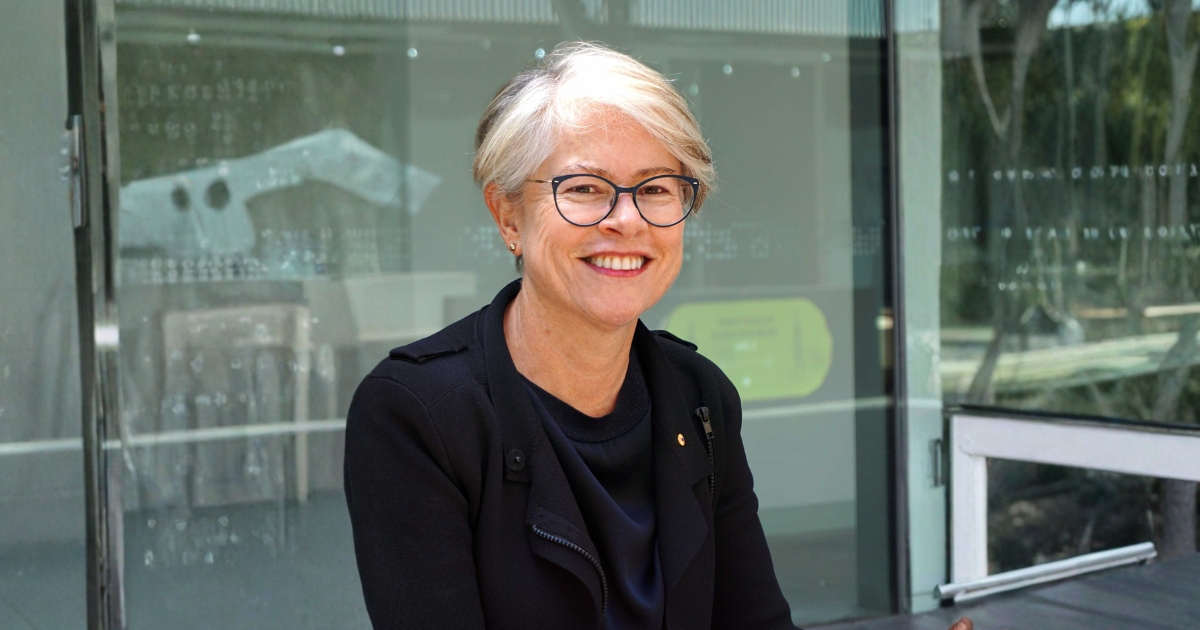
“Education is critical because it empowers individuals with knowledge and practical strategies before harmful behaviours develop,” manager of therapeutic services Betti Chapelle said.
“For young people, early education helps build resilience, critical thinking skills and awareness of how gambling products are designed, reducing the likelihood of future harm.”
Chapelle said that recent studies echo Meli’s on-the-ground feedback that the number of people experiencing gambling harm has increased significantly.
Online gambling promotion specifically has led to greater impacts on young people and while there has been an increase in tradespeople accessing services, she said that younger people continue to be less likely to seek help.
She also noted that there has been an increase in people looking for support for someone else’s gambling, self-exclusion assistance and clients presenting with complex and co-occurring concerns.
“Encouragingly, clients are demonstrating greater awareness of these issues and are increasingly willing to engage in supports that address these areas,” Chapelle said.
“This growing engagement is supporting clients to work towards improving their overall circumstances and strengthen their wellbeing.”
Meli’s program takes a harm minimisation approach, focusing on reducing the negative impacts of gambling harm rather than placing blame on individuals.
The government’s response acknowledged the harm associated specifically with wagering advertising and the harm it can have.
“The government is taking action to address the prevalence and saturation of wagering advertising, with a focus on minimising the dangers of exposing children and vulnerable people to wagering advertisements,” the report said.
Share


Related Articles
Molly Smale knows the system – now she has helped change it
Three Geelong locals have used their firsthand experience of the…
Free V/Line travel after 24-hour rail shutdown: here’s when
Two days of free V/Line travel have been announced for…