Op shops nurture community, history, sustainability
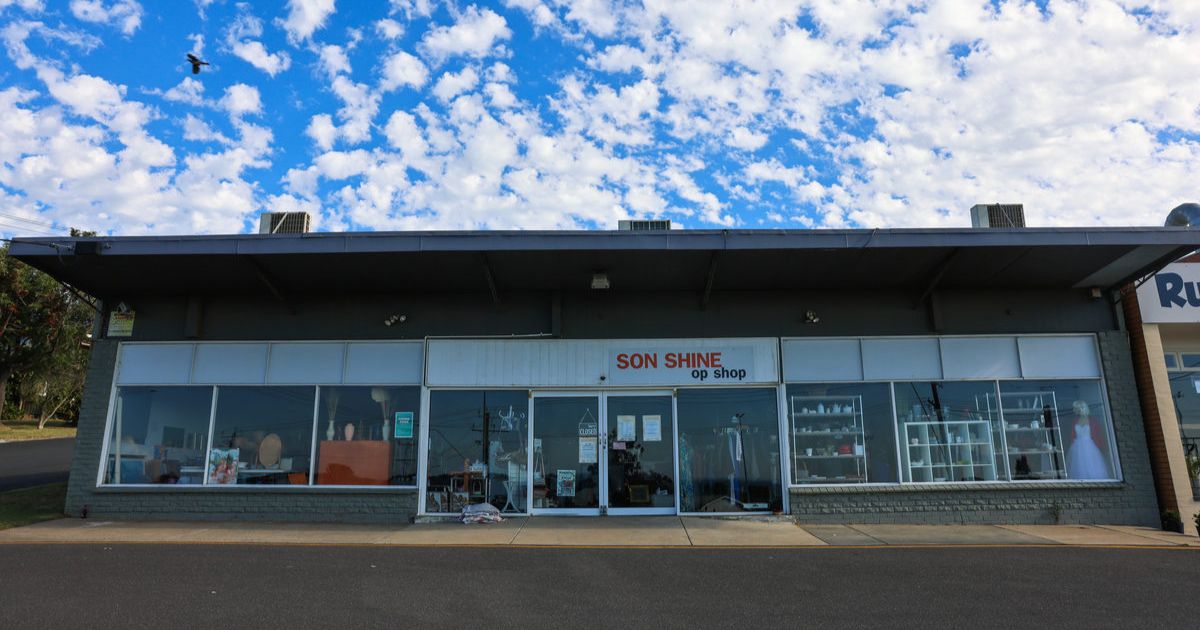
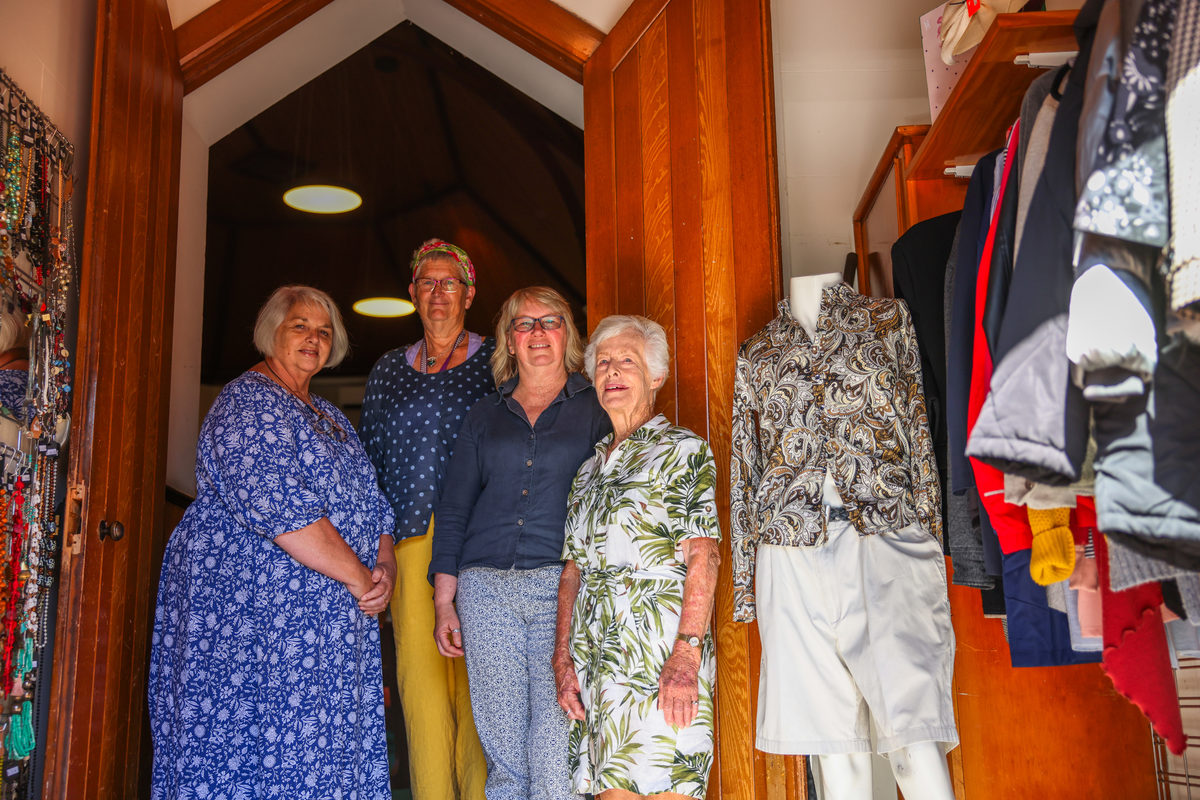
The SonShine Op Shop in Portarlington has been a staple of the community for over two decades. Photo: NYAH BARNES


WHILE they curb wardrobe waste, the true heartbeat of the Bellarine’s op shop network lies in the community they nurture and the histories they preserve.
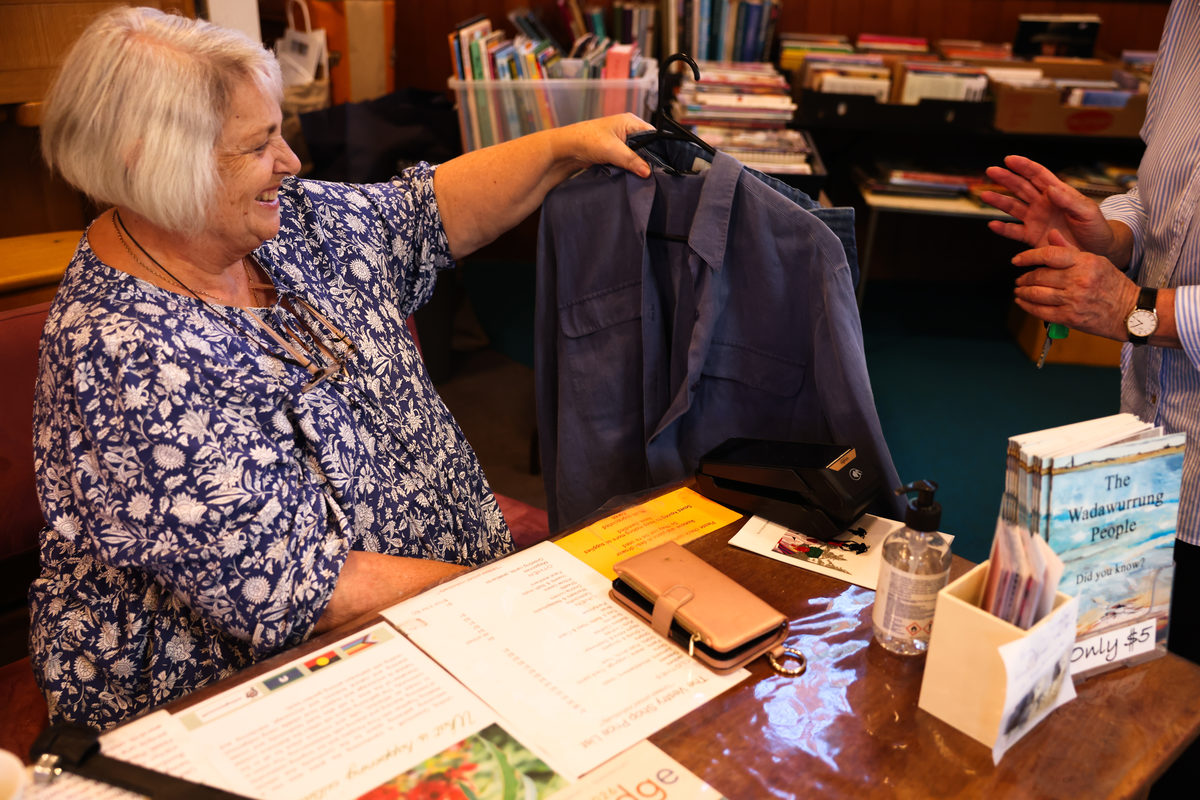
At Uniting Queenscliff’s Vestry Shop, volunteer Margot Busch opens the church to all.
She said conversations spark easily, often about childhood memories that pull customers back to their roots.
Jan Morgan, meanwhile, has served at Portarlington’s SonShine Op Shop since 2002.
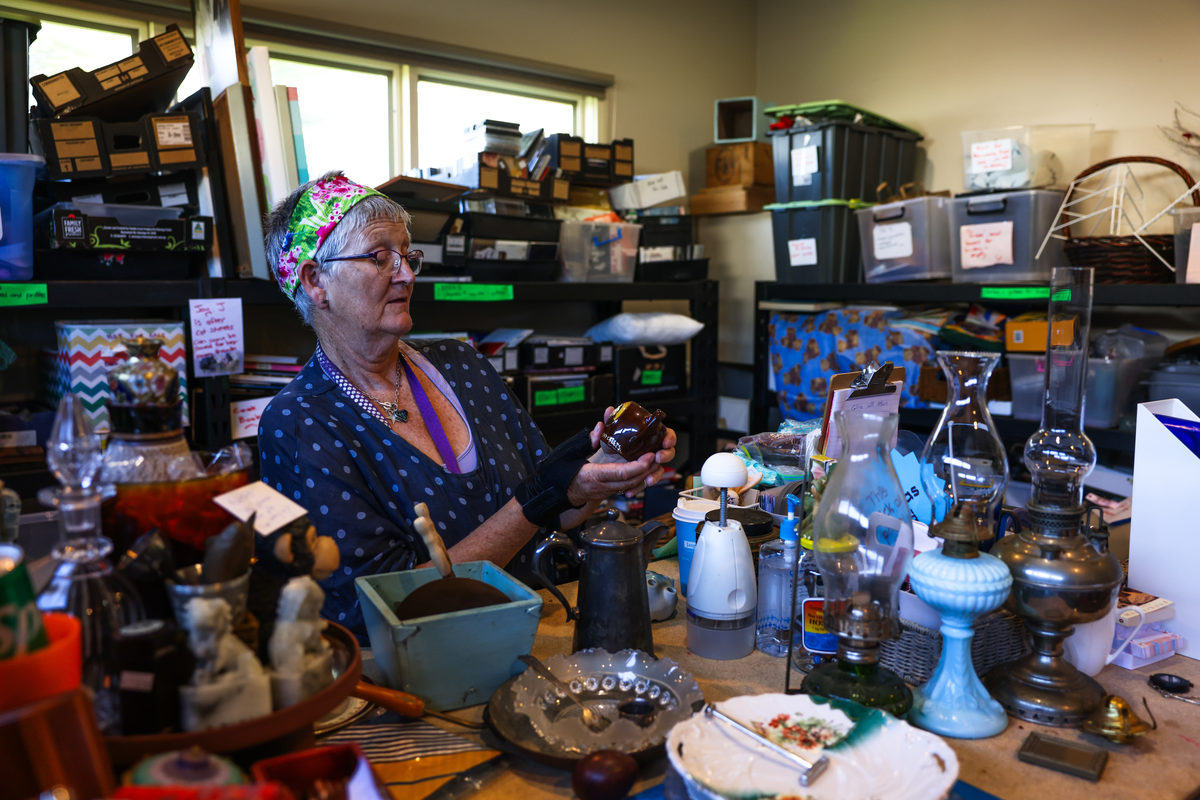
Regulars drop by weekly just to see familiar faces, she said.
Over two decades, she has watched children grow up and experience both good and hard times.
“The shop is just part of their story,” Morgan said.
Inside these spaces, volunteers bond deeply too. Uniting Queenscliff rosters volunteer shifts in pairs, fostering friendships within the team.
The store’s profits cover more than 50 per cent of church operations, from keeping the lights on to the minister’s salary.
Each item donated also shares a tale with the volunteers. These tales, Busch said, are often readily shared.
“People will tell you the stories,” Busch said. “Sometimes [an item] is from a loved one who’s passed away.”
Fellow Vestry Shop volunteer Karen Joyce said listening to these stories is both touching and sad.
But the volunteers agree it is rewarding when the items find a new life with someone else.
The Vestry Shop’s Jill Stuckey recalls a near-complete bone china set bought by a woman grieving her mother. She was able to combine it with an existing heirloom set and split it among arguing daughters.
“Family crisis averted,” Stuckey said. The set was able to live on in the memory of another person.
Dr Lorinda Cramar, social and cultural historian at Deakin University, said op shops had a strong historic legacy.
“There has long been a secondhand option for clothing. It stretches far back hundreds of years,” she said.
She said it was important to consider the hands that have touched these garments before we love them.
“We can form these attachments that remind us of a loved one,” Dr Cramar said.
On average, Australians buy 56 garments annually, a global high. But still op shopping thrives.
Dr Dylan Hegh, manager of the Deacon Hub and Future Fibre Facility, said Australians have a large appetite for secondhand shopping.
But, he said, the rise of fast fashion and lower-quality garments meant much of the 300,000 tonnes of clothing donated each year could not be resold.
Some organisations, start-ups and volunteers are finding ways to reroute and reuse these items.
The Vestry Shops’s main donation sorter, Joyce has found a company that takes unsellable clothes and turns them into rags. The garments that can still be worn are donated to communities in need.
Ultimately, Dr Cramar suggests people ask themselves: Do I really need this new item?
“Thinking about that longer origin story helps me extend it myself,” she said.
Share


Related Articles
Liberals defend safety of 110kmh freeway plan
The Liberals have dismissed concerns their proposed 110kmh speed limit…
Teachers walk off the job for second time as AEU pushes government for deal
Victorian public school teachers will strike for the second time…