Planting for the future
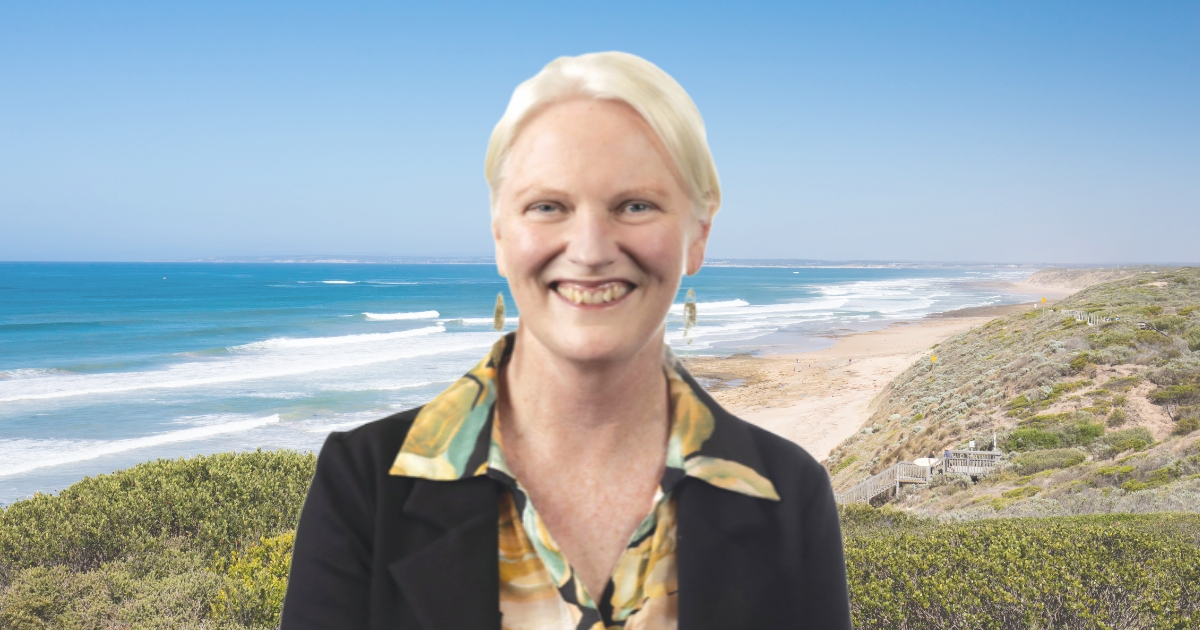


GEELONG’S trees are such a big part of who we are and why we love where we live.
In East Geelong, the Bunya Pines tower over our beloved historical Geelong Botanic Gardens.
Just down the hill at Eastern Beach, Norfolk Island pines line the coast, adding vital greenery to our iconic waterfront.
And here on the peninsula, the Bellarine Yellow Gum provides a sanctuary for native birds and insects which find shelter among its greyish-blue leaves and white flowers.
Trees shape our neighbourhoods, support local wildlife and connect us to our past.
They’ve held deep cultural significance for the Wadawurrung Traditional Owners for many generations, and they continue to enrich our community in so many ways.
As chair of the City’s Environment and Circular Economy portfolio, I cannot understate the value that trees add to our ecosystem and the character of our region.
So, I’m incredibly proud that City of Greater Geelong has maintained its Tree Cities of the World status for a fourth consecutive year.
Awarded by the Food and Agriculture Organisation of the United Nations, this recognition acknowledges cities that meet rigorous global standards in urban tree management. In 2025, a total of 283 cities across 24 countries were designated as Tree Cities of the World.
The City of Greater Geelong is one of only twelve Australian councils recognised and two in Victoria – together with Banyule City Council in metro Melbourne.
Our Parks and Natural Assets team does a tremendous job in making sure our urban forest remains healthy and resilient – and it’s no small task!
They manage more than 190,000 urban trees, including over 119,000 street trees and 45,000 trees in parks, spanning 393 species.
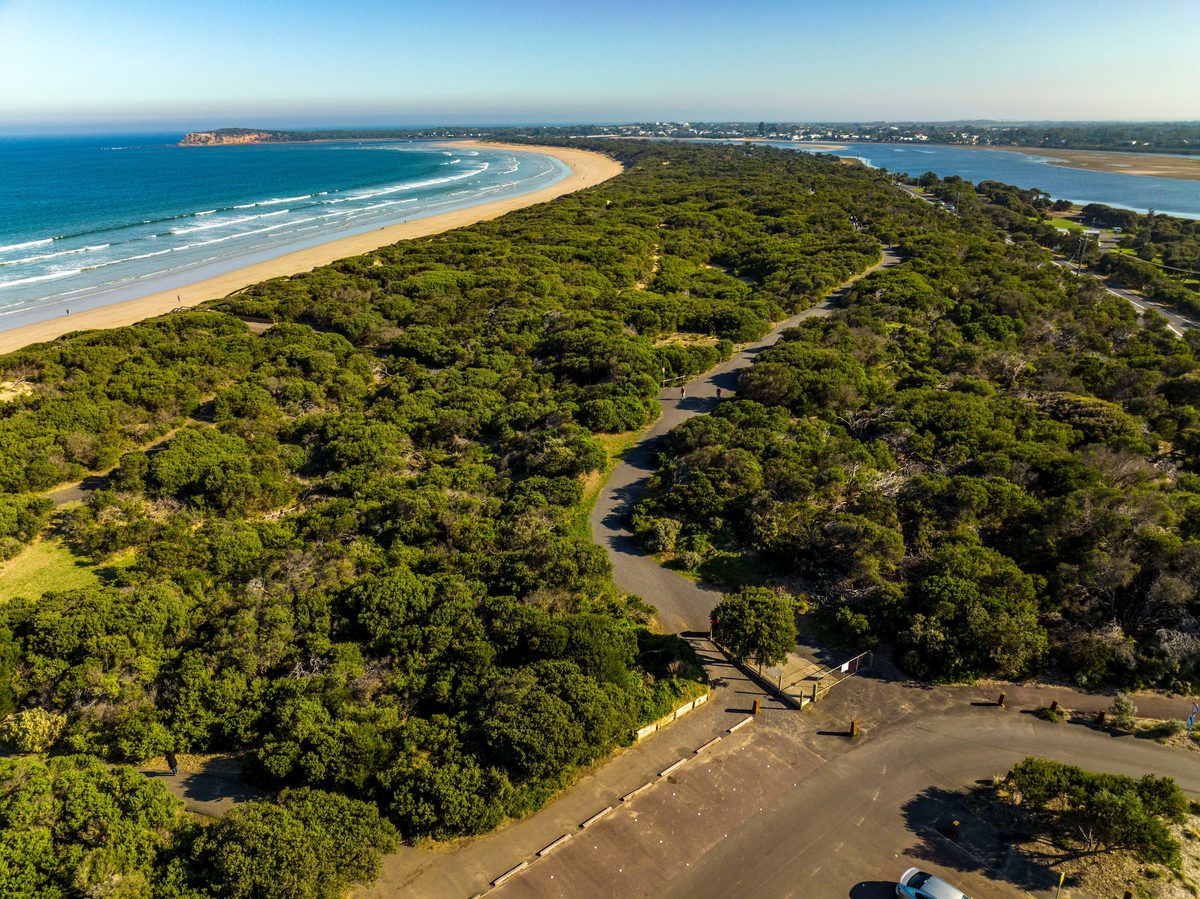
This careful management, combined with planting the right trees for our changing climate, is key to building a greener, more resilient region.
In 2025, the City planted more than 6,300 new trees across the region and accepted a handover of 4,000 trees in new developments.
Maintaining this title is a testament to both the City’s hard work and the tireless dedication of our environmental volunteers.
I want to thank the countless community groups and individuals who have rolled up their sleeves over the past year to revegetate our landscape.
Whether you are part of an organised effort or planting in your own backyard, you are supporting our region’s biodiversity and helping to reduce our carbon footprint.
If you are interested in picking up a trowel this year, National Tree Day is coming up on 26 July. To register for Australia’s largest tree planting event, visit nationaltreeday.org.au
While you’re online, we would love to hear your thoughts on our region’s parks, gardens and other outdoor spaces.
The City is seeking community feedback on the Draft Open Space Strategy. This strategy will set a clear roadmap to guide how we plan, deliver and care for open spaces into the future.
Open spaces cover City-owned or managed public land used for outdoor recreation and enjoyment, including our parks, gardens, reserves, waterways, wetlands and linear trails.
Your insights are valuable. If you would like to have a say in the future of our region’s open spaces, please visit yoursay.geelongaustralia.com.au/public-spaces-planning before engagement closes on 31 May.
Share


Related Articles

Jess Gallagher reflects on local roots ahead of Commonwealth Games return
JESS Gallagher always loved sport. The Geelong-born para-athlete cherishes the…
Funding, designs push surf life saving club redevelopment forward
FRESH state funding and a finalised concept design have pushed…