Sad end for Barwon Heads’ Hooded Plovers
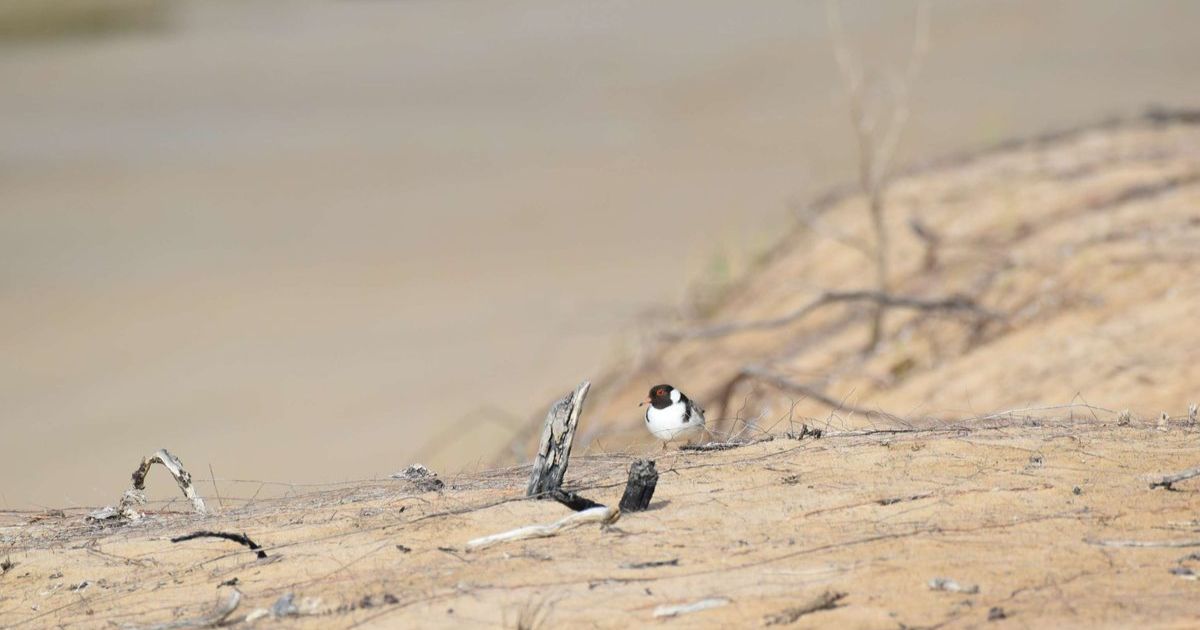
Hooded Plovers are listed as protected wildlife, with only two per cent of chicks surviving to be adults. Photos: BARWON COAST


DESPITE weeks of hopeful watching and waiting, Barwon Coast has announced that two Hooded Plover chicks have not survived.
The two chicks hatched from a nest between Barwon Bluff South and The Corner, 13th Beach earlier this month.
Losses are common for the vulnerable species, with the first chick living just shy of two weeks, while the second survived for almost three weeks.
The Barwon Coast team believe the most likely cause for the loss of the second chick was an avian predator.
“When chicks do not survive, it is a setback for the local population, which is only around 11 nesting pairs,” Barwon Coast chief executive officer Gareth Smith said.
“Hooded plovers have such low breeding success, with a state-wide survival rate of just three per cent, so every chick truly counts.”
The beach-nesting birds have a low chance of making it to adulthood and are vulnerable to tidal changes, predators, foot traffic and dog disturbance.
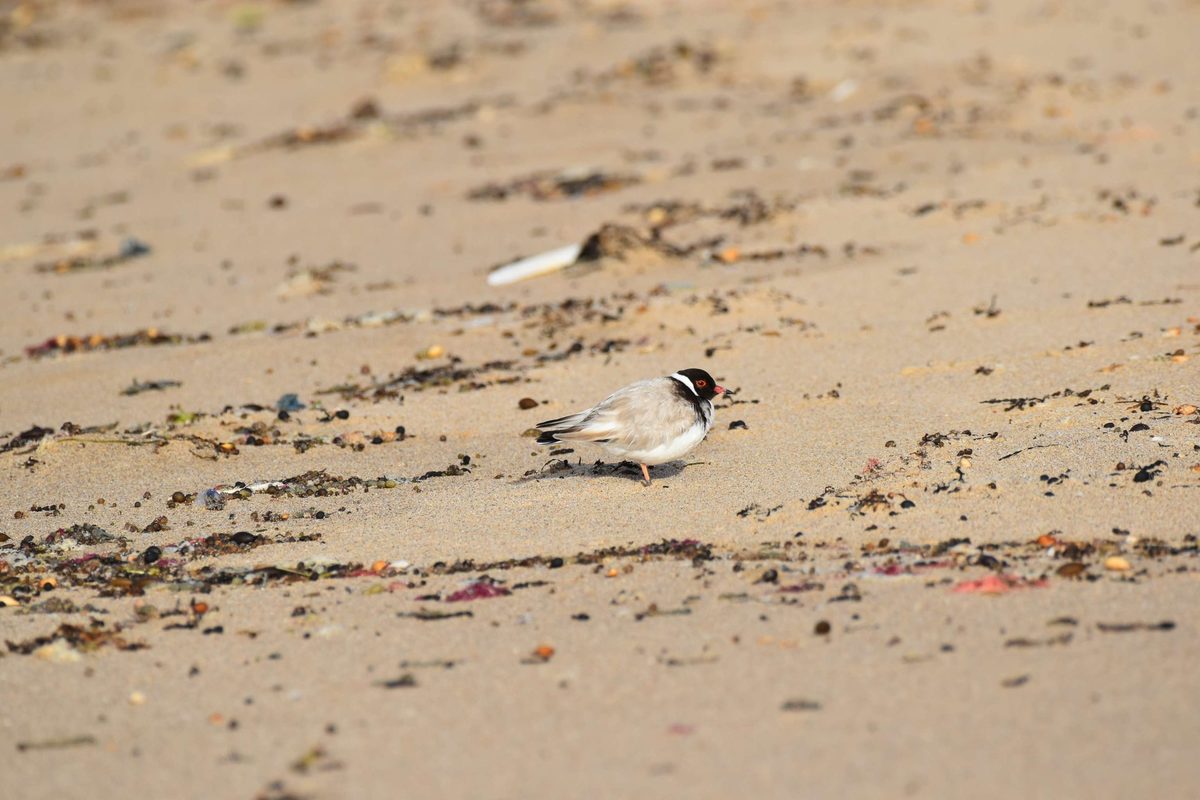
Nesting between September and March, the birds lay their eggs directly on the sand, making them even more vulnerable.
Smith said once hatched, the chicks are tiny, flightless and completely dependent on their surroundings.
“For the first five weeks, they must feed themselves along the water’s edge until they’re strong enough to fly.
“Environmental pressures, predators and weather events – even small disturbances – can interrupt feeding or push them into unsafe areas, reducing their chances of surviving those critical early weeks.”
To give the chicks the best chance at surviving, Barwon Coast set up a temporary exclusion zone between Barwon Bluff South and The Corner, 13th Beach, which has now been removed.
A second nest has been identified on Ocean Grove Main Beach between Wedge and Tuckfield Streets.
“We are hopeful the pair nesting between Wedge Street and Tuckfield Street beach accesses in Ocean Grove will have a better outcome, and we are hopeful for more nests in the breeding season.
“With care from the community, the Hoodies have a real chance,” Smith said.
Barwon Coast is urging people to take extra precautions around the area and keep dogs on a lead, walk along the water line, stay clear of fenced or flagged sites and give the birds plenty of space.
There is estimated to be around 740 of the species left throughout Victoria and they are listed as protected wildlife under State and Federal legislation.
For more information, head to barwoncoast.com.au
Share


Related Articles
Public gets last look at aqueduct
THE public will have a final opportunity to get up…
Documentary tells story of surf and second chances
A Victorian woman’s journey from heartbreak to state representative longboarder…