The Changing Face of Local Hospitality and the Digital Competitor
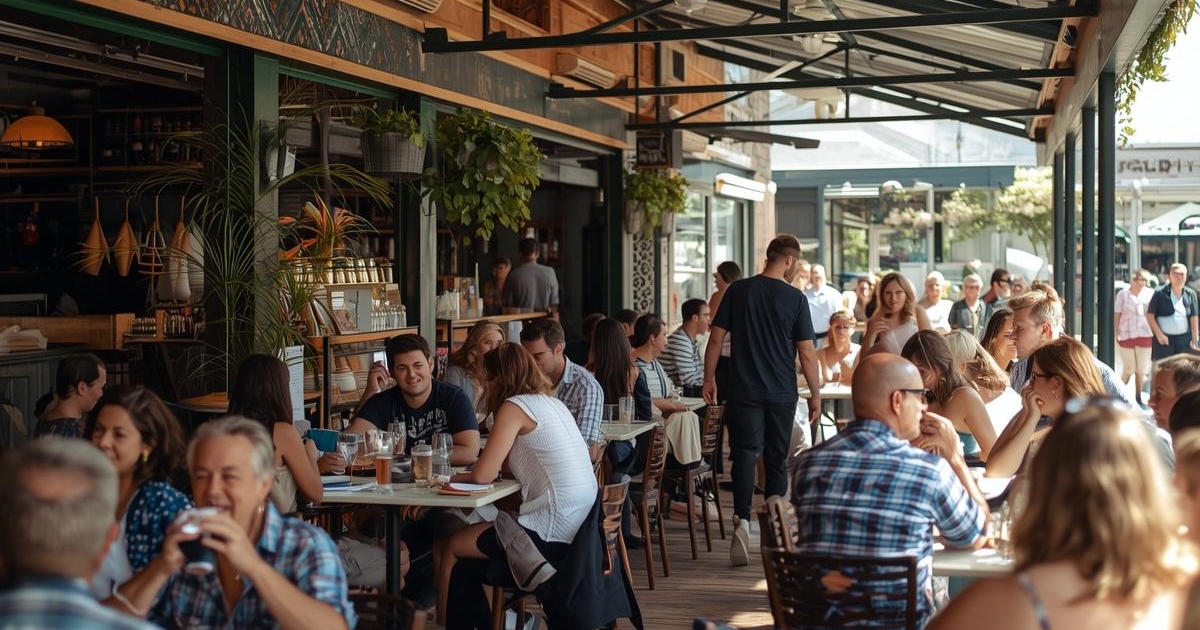
Regional pubs and hospitality venues in Australia are evolving to compete with digital entertainment, focusing on unique experiences, community connection, and premium in-person socialising.


FOR generations, the traditional Australian pub and local hospitality venues have served as the undisputed social cornerstones of regional and rural communities. They have been the vital gathering places for post-work discussions, weekend family lunches, and local milestone celebrations.
However, as the digital landscape rapidly expands, these physical businesses are finding themselves navigating a highly complex modern economy. The battle for the consumer’s weakened discretionary dollar is no longer just a localized competition between the pub on the main street and the restaurant down the road. Instead, it has evolved into a global competition against the sheer convenience, endless variety, and engaging nature of the at-home digital entertainment sector.
Reinventing the Regional Pub Experience
Faced with this invisible, omnipresent digital competitor, regional publicans and restaurateurs are being forced to radically rethink their traditional business models. To successfully lure modern patrons away from their high-definition screens, local venues must offer a physical experience that simply cannot be replicated, streamed, or downloaded. This necessity has sparked a major operational renaissance in how local hospitality functions, pivoting away from simple transactional food and beverage service toward highly curated, event-driven community experiences.
Successful regional venues are currently investing heavily in live local music showcases, gourmet farm-to-table dining initiatives, family-friendly outdoor recreation spaces, and interactive trivia nights to actively rebuild physical community ties. The primary objective is to cultivate an authentic atmosphere that champions genuine human connection over digital isolation.
For many regional business owners and ambitious publicans, the ultimate priority is creating a country pub that’s warm and comfortable, focusing on premium personalized service, architectural charm, and a welcoming environment that a smartphone simply cannot provide. By elevating the physical experience and leaning heavily into their historical, structural role as irreplaceable community hubs, these traditional businesses are actively fighting back against the pervasive at-home leisure trend.
The Future of Leisure Spending in Australia
As the broader economic landscape continues to evolve, the fierce competition for consumer attention will only intensify. The digital entertainment sector shows absolutely no signs of slowing down; major ongoing investments in virtual reality hardware, the broader creator economy, and real-time interactive media guarantee that the at-home experience will become even more sophisticated and enticing in the coming years.
However, this digital boom does not spell the inevitable end for regional physical hospitality. Instead, it signals a permanent, structural bifurcation in how Australians will consume leisure moving forward. The digital world will likely continue to dominate casual, everyday entertainment, catering perfectly to modern demands for convenience and immediate gratification.
Conversely, the physical hospitality sector will elevate itself to become the premium destination for intentional socialising, milestone celebrations, and authentic community engagement. The regional venues that will survive and ultimately thrive in this new era will be those that deeply understand they are no longer just selling a localized meal or a beverage; they are selling the vital, irreplaceable value of shared human experience in an increasingly digitized world.
The Rise of the At-Home Digital Economy
Over the last decade, and significantly accelerated by recent global economic shifts, consumer behaviour has aggressively pivoted toward digital convenience. High-speed regional internet rollouts and the widespread proliferation of affordable smart devices have successfully transformed the standard living room into a comprehensive, high-tech entertainment hub.
Audiences are increasingly choosing to spend their discretionary income on premium streaming subscriptions, interactive gaming consoles, and highly immersive online ecosystems rather than venturing out to traditional brick-and-mortar venues. When factoring in the rising costs of physical transportation, premium food pricing, and expensive beverages, the immediate accessibility of virtual alternatives becomes highly attractive to the modern consumer.
This transition is particularly evident when examining the massive commercial growth of adult digital entertainment. The adult wagering sector has become a major competitor for discretionary spending, offering sophisticated experiences that do not require patrons to leave their homes.
For consumers researching this rapidly expanding sector some sources highlight how digital convenience is actively capturing the market that previously relied on the physical world. This parallel digital economy operates twenty-four hours a day, entirely free from the massive overhead costs, staffing shortages, and logistical hurdles of traditional hospitality, presenting a formidable financial challenge to local business owners trying to maintain consistent physical foot traffic.
The traditional regional hospitality sector is currently navigating a monumental shift in consumer behaviour as digital entertainment platforms offer unprecedented at-home convenience. To remain financially competitive against the booming virtual economy, local pubs and restaurants are actively transforming into experiential, community-focused hubs that prioritize authentic human connection. Ultimately, the future of Australian leisure will delicately balance the instant accessibility of advanced digital platforms with the irreplaceable charm and social value of modernized physical venues.
//SPONSORED CONTENT
Share


Related Articles
Molly Smale knows the system – now she has helped change it
Three Geelong locals have used their firsthand experience of the…
Free V/Line travel after 24-hour rail shutdown: here’s when
Two days of free V/Line travel have been announced for…