The Geelong facility keeping out H5 bird flu
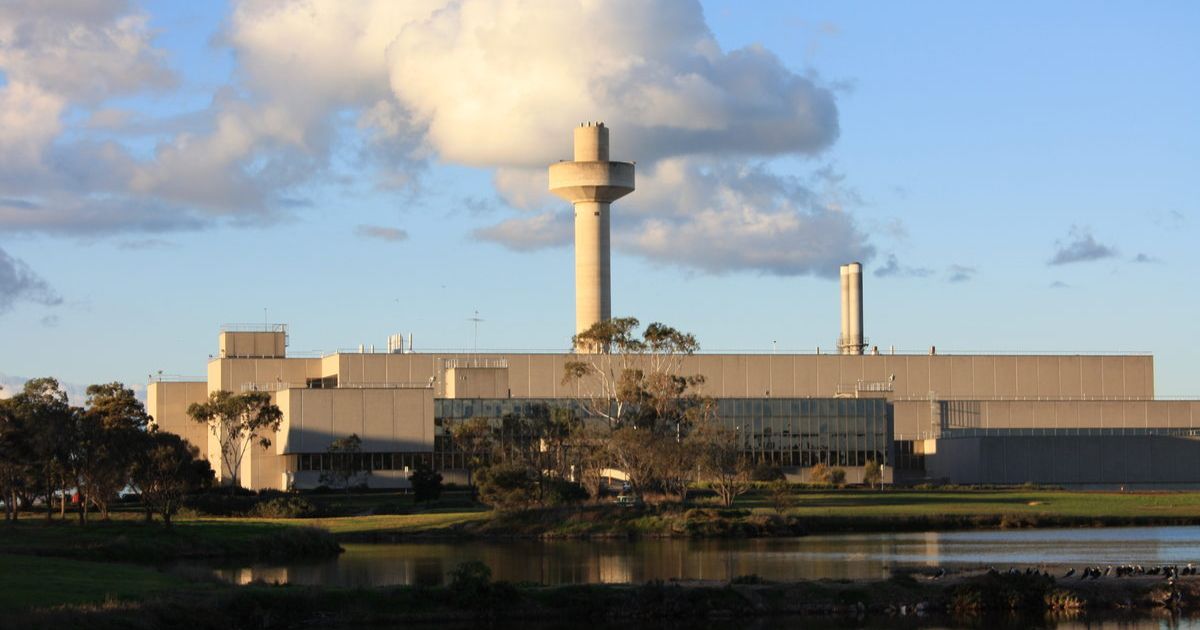
The Australian Centre for Disease Preparedness is a crucial part of Australia's biosecurity response system. Photo: CSIRO.


A research facility in Geelong is on the front line of keeping out devastating viruses such as the H5 strain of bird flu from overseas.
Australia is free from many terrestrial and aquatic animal diseases and the Australian Centre for Disease Preparednes (ACDP) plays a vital role in identifying, studying and advising about emergency animal disease outbreaks.
Part of the CSIRO, the centre was formerly known as the Australian Animal Health Laboratory but changed in recognition of its work in helping Australia respond during the height of the Covid-19 pandemic, which included testing vaccines.
“It was then renamed to better reflect its role in identifying, preventing and responding to disease threats facing the country, not just for diseases infecting animals but also those that can spread from animals to humans,” ACDP deputy director, Dwane O’Brien, said.
He said the centre was a crucial part of Australia’s biosecurity response system.
“We have teams on call 24/7 ready to run diagnostics and genetic analysis for state and territories with suspected cases of emergency animal diseases, and we provide advice to authorities to help them respond to disease outbreaks,” he said.
“In ACDP’s secure labs, CSIRO also studies animal and zoonotic viruses, and ways to improve diagnostics, vaccines and therapeutics against them.”
He said ACDP teams had most recently been looking at ways to help Australia prepare for and protect against the H5 strain of avian influenza, also known as bird flu.
Australia has successfully contained and eradicated H7 bird flu strains in the past, but Australia has never had H5 bird flu and remains the only continent free of this highly contagious form of the virus, which has caused severe disease and high death rates in poultry, wild birds and affected mammals.
Dr O’Brien welcomed operational funding for the ACDP in the 2025–26 federal budget as well as support for the second stage of the centre’s part life refit.
“This is a major project that aims to extend and upgrade the existing ACDP facility and infrastructure services to ensure CSIRO can continue to respond to exotic and emerging animal and zoonotic diseases in Australia for the next 30 years,” he said.
Stage 1 of this project is due to start later this year.
Share


Related Articles
Molly Smale knows the system – now she has helped change it
Three Geelong locals have used their firsthand experience of the…
Free V/Line travel after 24-hour rail shutdown: here’s when
Two days of free V/Line travel have been announced for…