The Queenscliff lifeboat that searched for Harold Holt turns 100
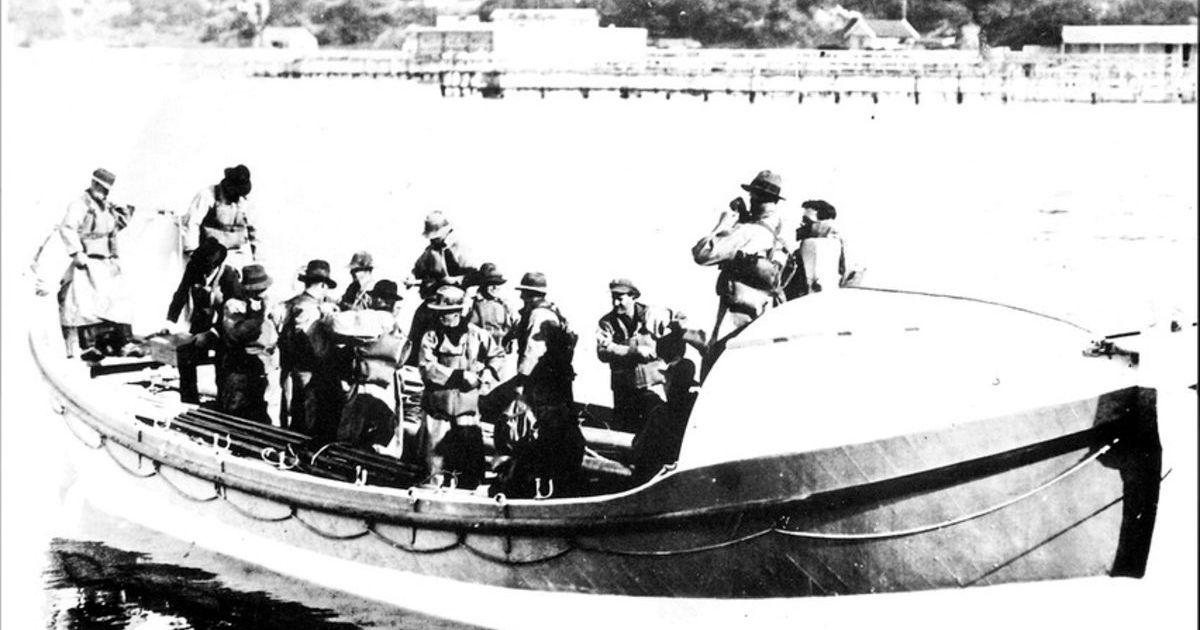
Built in Port Adelaide and commissioned on 6 March, 1926, the Lifeboat Queenscliff served for five decades at one of the most dangerous maritime passages in the world. Photo: Queenscliff Maritime Museum


When Prime Minister Harold Holt disappeared off Cheviot Beach in 1967, the search for him stretched across land, air and sea.
Among those sent into the treacherous waters at Port Phillip Heads was a wooden lifeboat crewed by local fishermen and tradesmen from Queenscliff.
Built in Port Adelaide and commissioned on 6 March, 1926, the Lifeboat Queenscliff served for five decades at one of the most dangerous maritime passages in the world: the narrow, fast-moving stretch between Point Lonsdale and Sorrento known as the Rip.
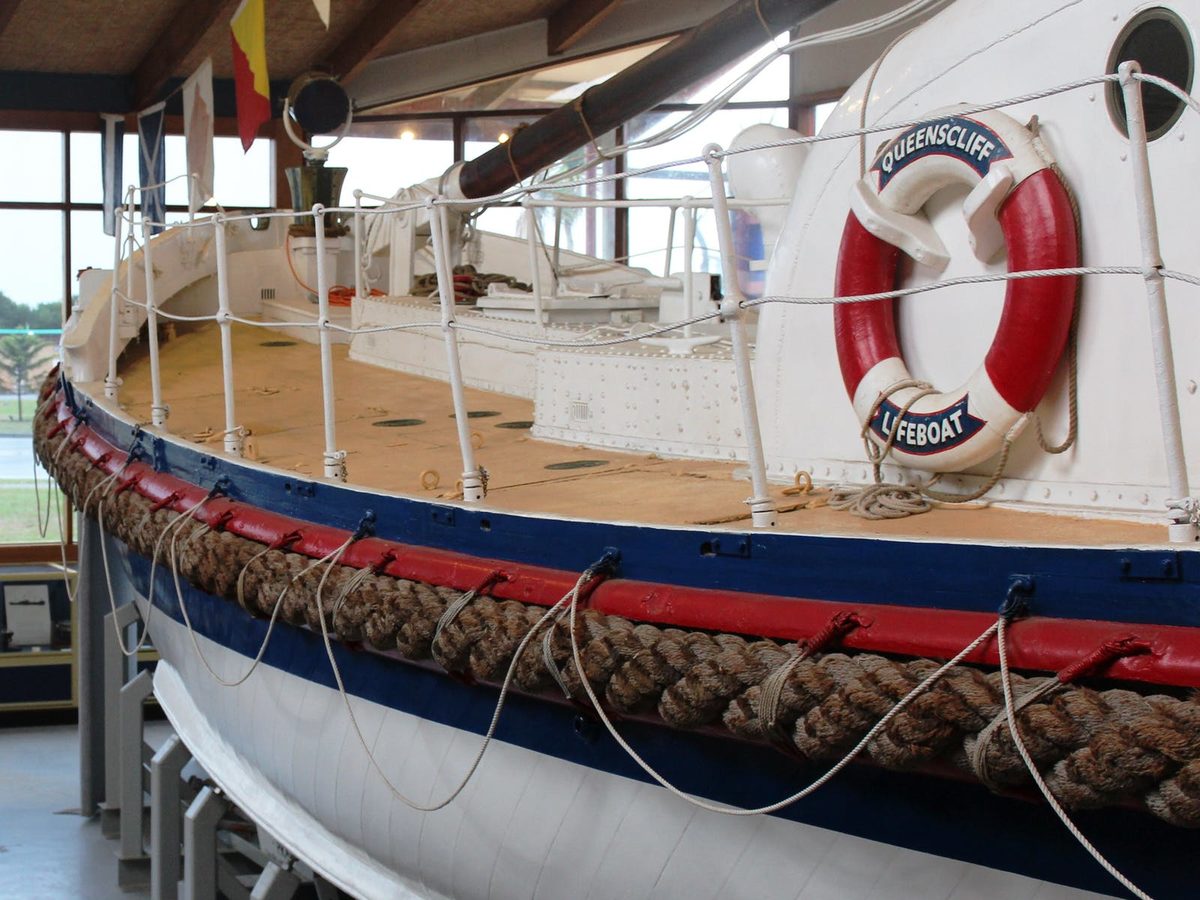
Now housed at the Queenscliffe Maritime Museum, Queenie, as she’s affectionately known, remains a rare surviving example of the shore-based rescue boats that were once stationed around Australia’s coastline. Today, she turns 100 years old.
For Kerri Erler, the museum’s president, the anniversary serves as an opportunity to celebrate the lifeboat’s legacy and the volunteer crew who rose to the call when there was trouble at sea.
“The crew members were all local – some of them are still alive – and we want to celebrate them as much as we want to celebrate the boat,” she said.
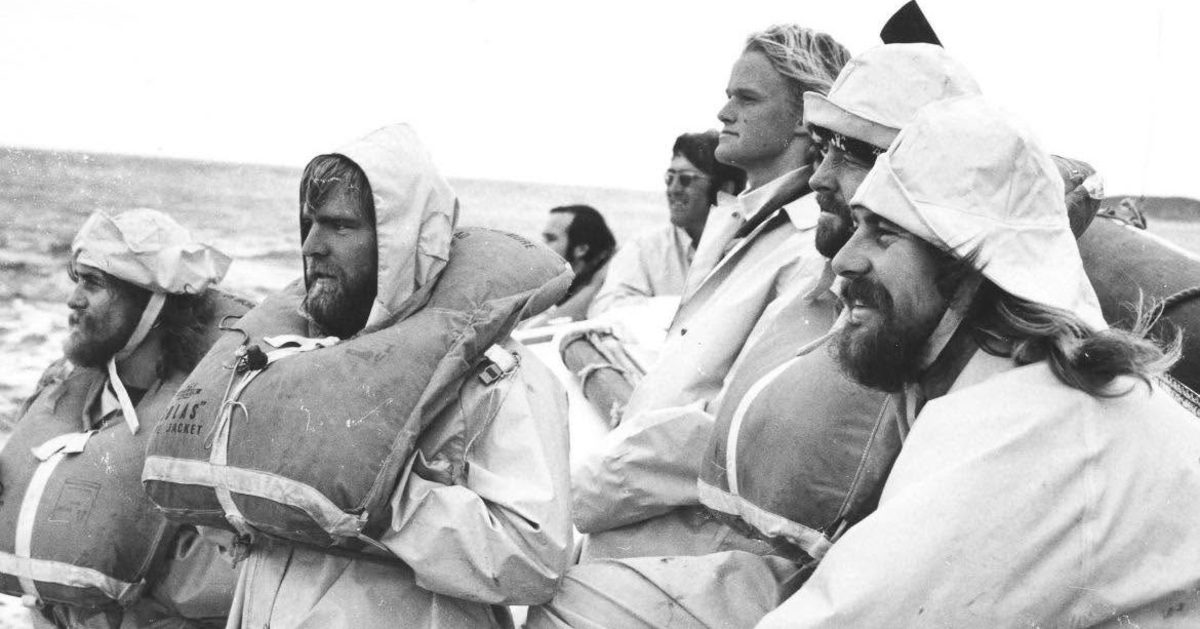
“They wouldn’t consider themselves heroes, but in fact they are. They’re our elders, they’re our community, so it’s really important that we recognise the sacrifices they and their families made to allow them to go, in all sorts of weather, out through the Heads to try and rescue people.”
Queenie’s service extended beyond peacetime rescues. During the second world war, the vessel undertook patrol and rescue duties at the Heads.
She responded to the sinking of HMAS Goorangai, the first Royal Australian Navy ship lost during the war. Crossing the mouth of Port Phillip Bay in blackout conditions, the vessel was struck by the troopship Duntroon and sank rapidly. Of the 24 crew on board, only six bodies were ever recovered.
“It was a very big disaster and felt very much by the people of Queenscliff,” Erler said.
Queenie was retired in 1976 and later preserved in Queenscliff, where she has been on display for more than 40 years.
This afternoon, the community will gather at the museum to mark the anniversary with cake, music and stories from those who served aboard her.
The celebration forms the centrepiece of the Harbour to Horizon Maritime Festival, which runs until Monday and will see Queenscliff’s waterfront come alive this weekend with maritime history talks, on-water events and displays.
The program includes a revival of the Blessing of the Fleet, a sail past led by Coast Guard vessels and local yachts.
“Boats of all shapes and sizes have been invited and are participating,” Erler said. “We will have clergy from the United Church and the Church of England doing a formal blessing.”
The historic tall ship Alma Doepel also sailed into the harbour on Thursday and across the weekend will be open for tours.
For the full program of events, visit maritimequeenscliffe.org.au
Share


Related Articles
Jess Gallagher reflects on local roots ahead of Commonwealth Games return
JESS Gallagher always loved sport. The Geelong-born para-athlete cherishes the…
Funding, designs push surf life saving club redevelopment forward
FRESH state funding and a finalised concept design have pushed…