Voting access improved ahead of state election
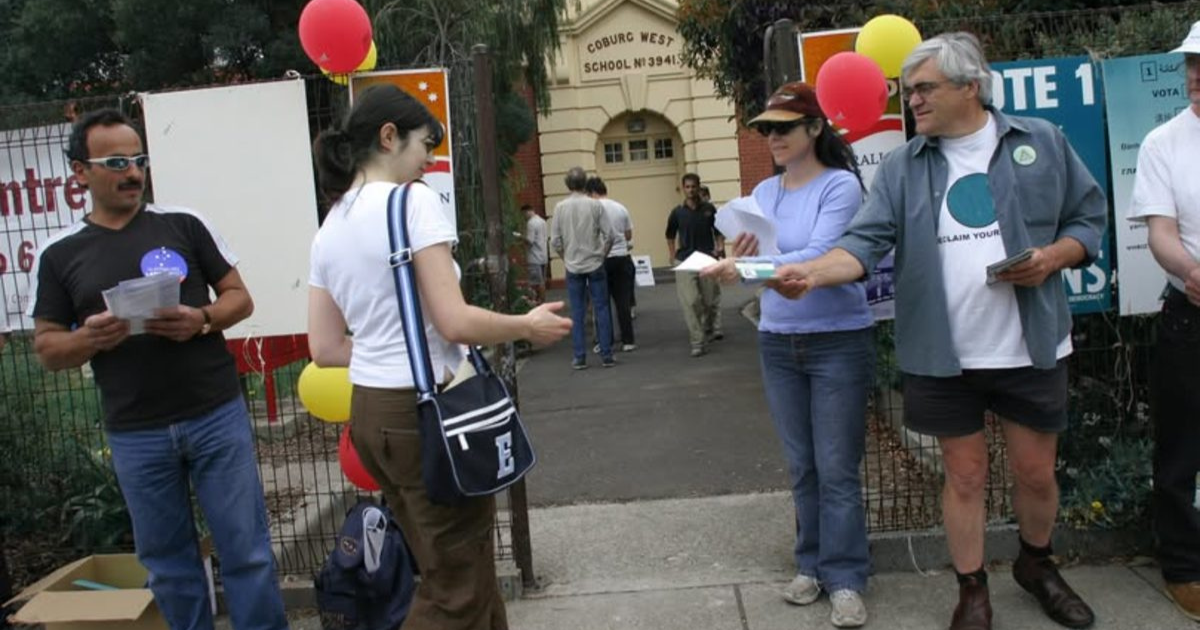
Low-sensory voting centres were trialed in Victoria twice before being rolled out for the 2026 state election. Photo: Supplied.


ADDITIONAL barriers to voting will be removed across Victoria at this year’s state election, with low-sensory voting centres to be available in every electorate for the first time.
The 2026 Victorian poll will be the first in the country to roll out the option statewide, following a series of targeted trials. Mobile low-sensory centres were first introduced in Warrandyte in 2023, before being refined in Prahran and Werribee in 2025.
The centres reduce environmental stressors such as noise, bright lighting, crowding and intense interactions with campaigners.
The initiative is a direct response to feedback from disability and neurodiverse communities to the Victorian Electoral Commission.
“Low-sensory voting is something that we can trace very, very directly back to what our reference groups have asked us to do,” electoral commissioner Sven Bluemmel said.
“There’s a really direct through line there. It’s not just us doing what we want, it’s the community telling us, ‘This is what we want’, and then us doing it.”
The approach has also been welcomed by ageing and dementia advocacy groups, who say it will benefit a broader cross-section of voters.
Council on the Ageing representative Martin Turnbull said the initiative would help make the voting process more manageable for many older people.
“Expanding the availability of some of that low-sensory and similar sort of voting times, as has been trialled, would be great for particular sections of the older population, not just those with neurodivergent conditions,” Turnbull said.
Dementia Australia’s Rose Capp said the centres could also make voting more accessible for people living with dementia and their carers.
Australia’s democratic system requires all adults over the age of 18 to vote.
Share


Related Articles

Teachers walk off the job for second time as AEU pushes government for deal
Victorian public school teachers will strike for the second time…
Writers explore the power of collaboration
COLLABORATIVE writing will be the focus of this year’s Midwinter…