Why one scarecrow is drawing attention at Flying Brick
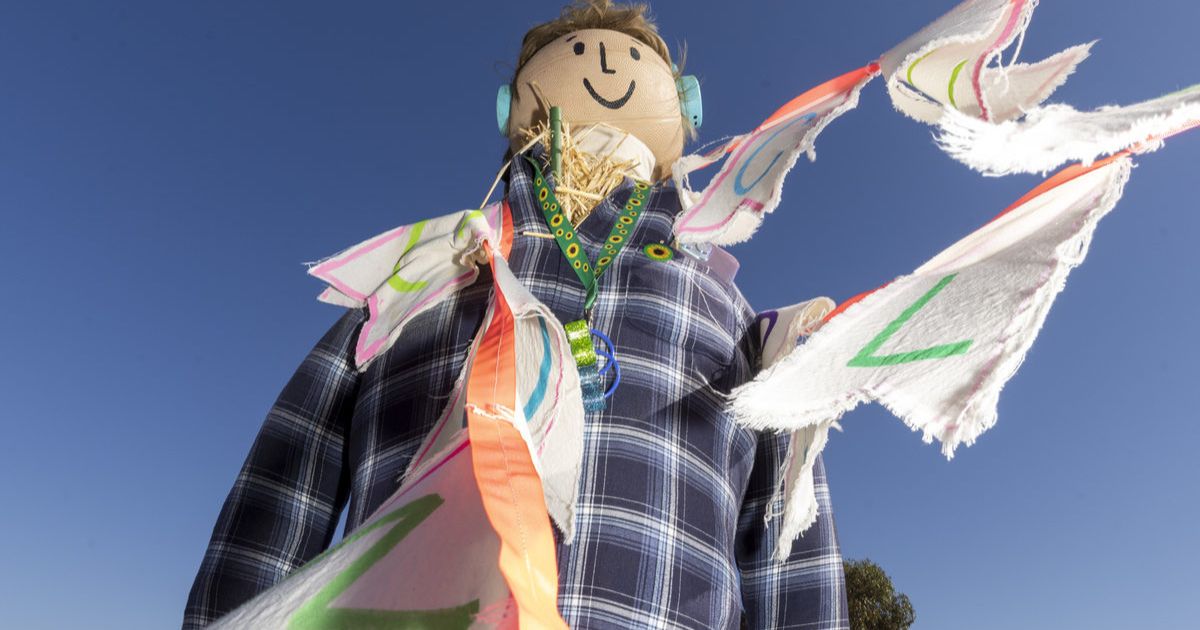
Charline, 16, is neurodivergent. He loves trains and is surrounded by fidgets and small visual cues that reflect how he navigates the world. Photos: MICHAEL CHAMBERS


WHEN Andrea Renwick decided to enter a scarecrow in this year’s Great Australian Scarecrow Competition, she knew exactly what she wanted it to say.
“We need a scarecrow with a disability,” she said.
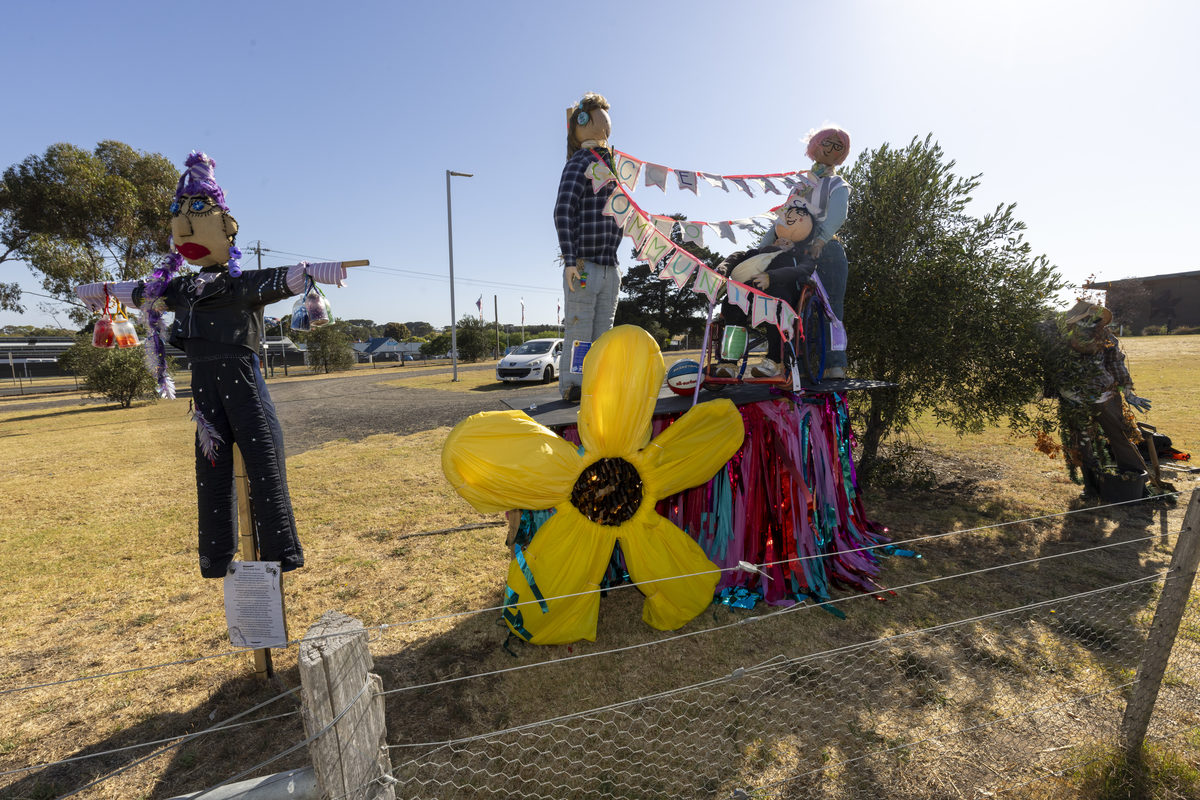
Andrea’s installation, now on display at Flying Brick Cider House in Wallington, features three characters, each shaped by lived experienced.
One represents physical disability, another invisible disability, and the third reflects the role of carers and support workers.
Together, they form a deliberate statement about access, inclusion and belonging.
“The whole reason for doing it was about awareness of how people can belong and feel part of a community,” Andrea said.
“When you see people, kids, actively talking about their disability and how it’s really hard when the school doesn’t make an activity work for her, it’s like yeah, we’ve got to be better than that.
“The people who have experience of disability and inclusion – and lack of – they get it. The everyday mum and dad doesn’t necessarily, so we need them to get it.”
Andrea lives with muscular dystrophy, as do five of her six siblings, along with her nieces and nephews. She is supported through the NDIS and works with four support workers.
That lifelong experience of disability underpins the work, with each of the installation’s characters also inspired by real people and experiences.
Charline, 16, is neurodivergent. He loves trains and is surrounded by fidgets and small visual cues that reflect how he navigates the world. Charlie offers a reminder that disability isn’t always visible.
Sam, 29, sits in a wheelchair and lives with muscular dystrophy. She studies law, wants to work in advocacy and plays wheelchair basketball.
Her wheelchair, Andrea says, is a tool for freedom and Sam represents dignity, ambition and the right to move through the world with confidence and purpose.
Priya, meanwhile, is a carer. She became a support worker because her brother has cerebral palsy. She represents how much the world opens up with the right support.
“That’s what you want for community: you want a place that everybody feels OK in,” she said. “As some who has lived a life of disability, that’s really not easy to come by.
“When a place is accessible, you feel like you belong. And when you feel like you belong, that’s when community is made.”
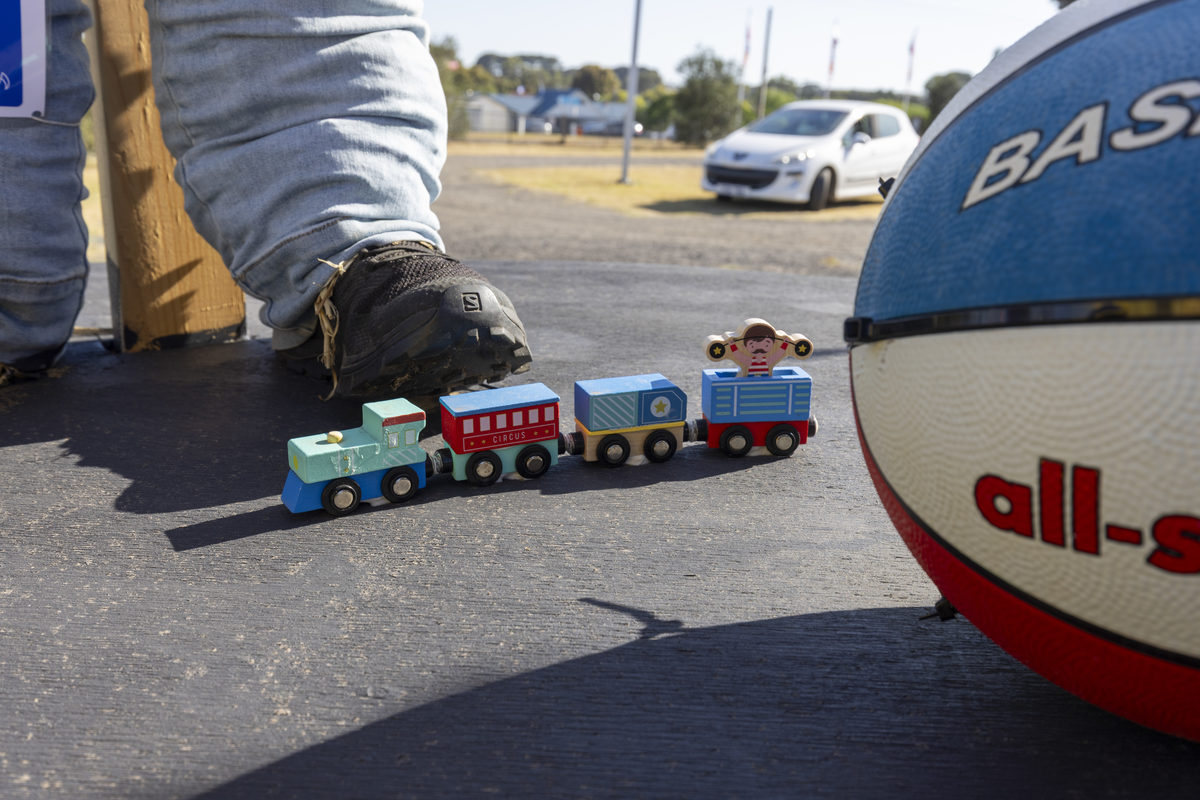
It became clear early on that the project was resonating. When Andrea shared the idea, people asked how they could help, with almost 20 people gathering in her Ocean Grove backyard to build the scarecrow.
Surrounded by straw, clothing, pool noodles and bubble wrap, everyone contributed ideas as they worked.
“Everyone found their spot, found the thing that they wanted to work on,” Andrea said. “People were getting into it and were talking about inclusion.”
Andrea is realistic about the scale of the project, but not its value.
“We’re only talking fricking little bloody scarecrows in Wallington,” she said. “It’s not going to change the world, but it’s an important message.”
Andrea’s installation is among the entries in this year’s Great Australian Scarecrow Competition at Flying Brick Cider House, which transforms the venue’s Bellarine Highway frontage into a colourful outdoor display through February.
Entries are judged on creativity, craftsmanship and name. The winners will be announced on Australian Cider Day on March 7.
Share


Related Articles
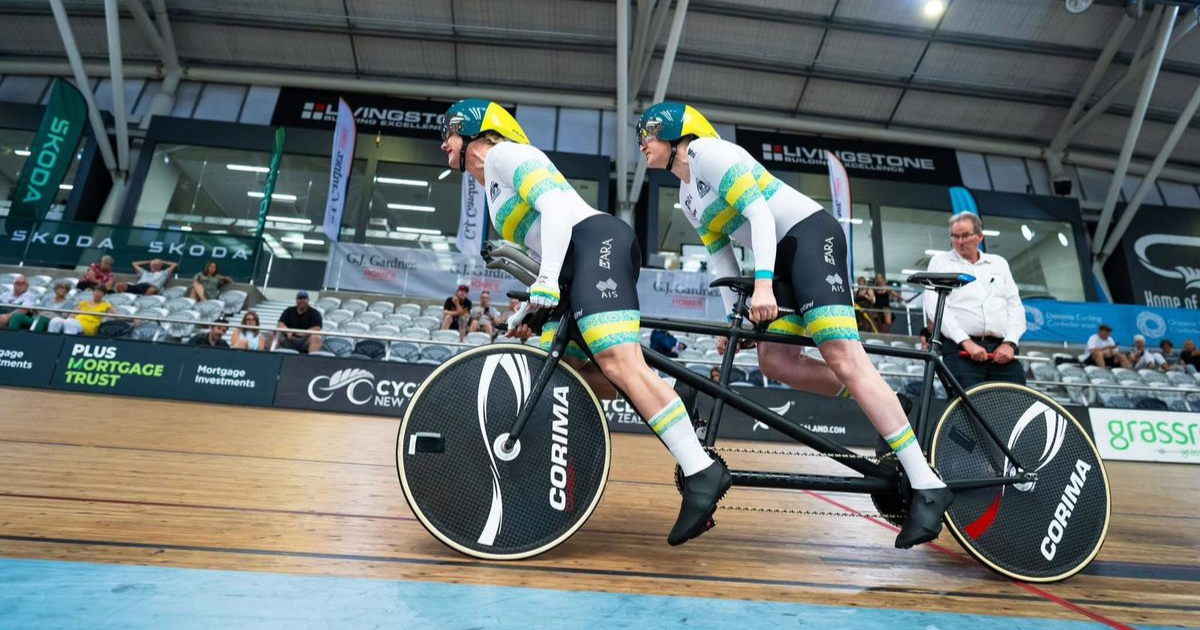
Jess Gallagher reflects on local roots ahead of Commonwealth Games return
JESS Gallagher always loved sport. The Geelong-born para-athlete cherishes the…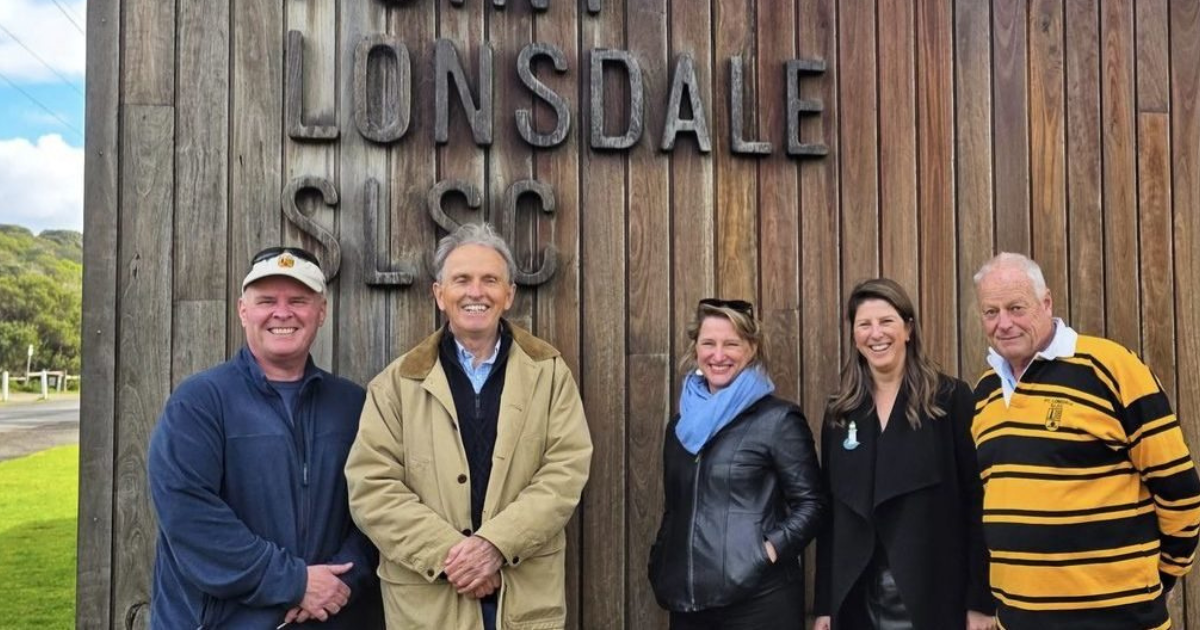
Funding, designs push surf life saving club redevelopment forward
FRESH state funding and a finalised concept design have pushed…