Six months in: four things I’ve learned about first home buyers
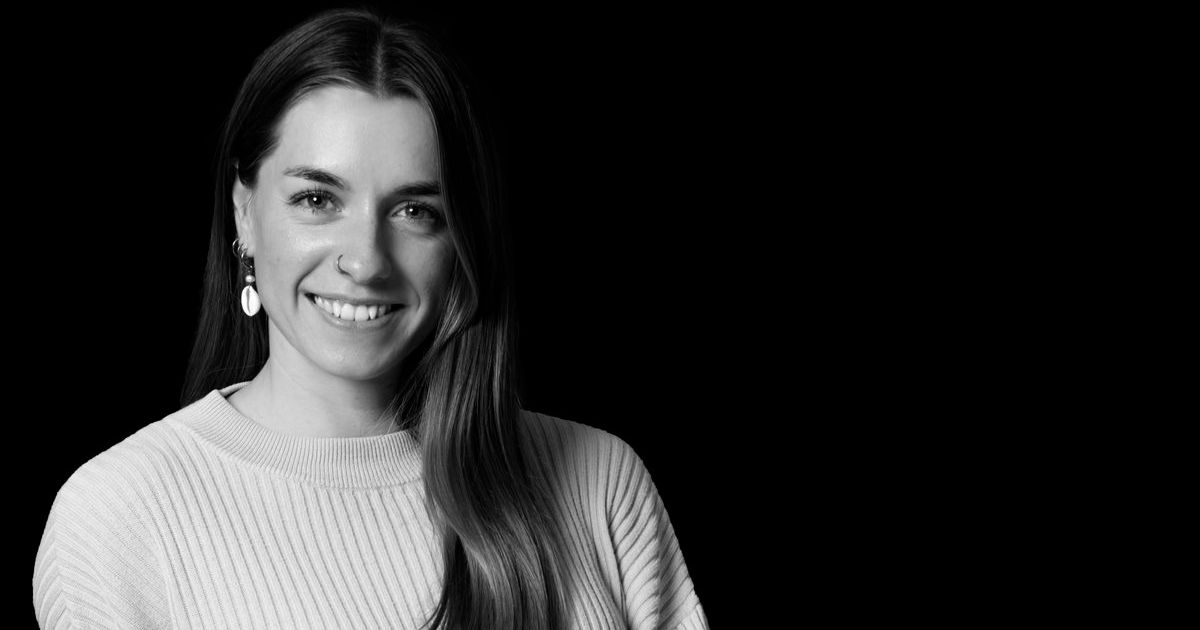
Serina Gray from Tribe Financial.


SERINA GRAY
Mortgage Broker, Tribe Financial
In my first six months working in the finance industry as a young female mortgage broker, I’ve had the opportunity to speak with many people thinking about purchasing their first home.
From early conversations about saving and borrowing capacity to guiding clients through the loan process, I’ve started to notice some consistent themes around how people view the property market.
After hundreds of discussions with prospective buyers, there are four key realisations that stand out to me when it comes to first home purchases.
One of the biggest realisations I’ve had is that most people are far closer to purchasing a home than they realise.
There’s a common perception, often amplified by the media, that buying property is almost impossible for first-home buyers. While the market certainly has its challenges, the reality is often more encouraging.
Government initiatives such as the 5 per cent deposit scheme, stamp duty exemptions for eligible buyers, and the First Home Owner Grant can significantly reduce the upfront costs of purchasing a property.
Many people assume they need a 20 per cent deposit and thousands more in additional costs, which simply isn’t always the case.
Once buyers understand the support available to them, the goal of owning a home can suddenly feel much more achievable.
Another important concept I frequently discuss with clients is that your first home isn’t necessarily meant to be your dream home.
For many people, their first purchase is a stepping stone – a way to enter the property market and start building equity. This shift in mindset can make a huge difference.
When buyers begin to see their first property as a strategic starting point rather than the perfect forever home, it helps them set more realistic expectations about location, property type and budget.
Often, getting into the market sooner can create opportunities that renting simply doesn’t.
I’ve also learned that there are more pathways to property ownership than many people think, especially for those who are self-employed or working in less traditional careers.
Sole traders, creatives, contractors and freelancers are often told they won’t qualify for a home loan because their income doesn’t fit a standard bank profile. However, this is exactly where mortgage brokers can make a difference. There are many non-bank lenders who offer alternative documentation loans, meaning borrowers can verify their income through different methods.
Just because one of the big four banks says no doesn’t mean the journey ends there.
Finally, something I’ve noticed more and more is how valuable it is for clients to start conversations about home ownership before they feel “ready”.
Many people come to see a broker simply to understand where the goal posts are.
Knowing how much you might be able to borrow, what deposit you’ll need and what lenders look for can completely change the way you approach saving.
When you understand the target, planning becomes far easier and far less overwhelming.
Six months in, the biggest takeaway for me is simple: with the right guidance and information, home ownership is often much more attainable than people think. And helping people realise that is one of the most rewarding parts of the job.
//SPONSORED CONTENT
Share


Related Articles
The vision that shaped Armstrong Mt Duneed
AFTER almost two decades of development, Armstrong Mt Duneed is…
Top marks for residence and location: 22 Cameron Road, Anglesea
SET in a coveted position in the tightly-held pocket of…