Town by Town Snapshot: Deans Marsh


THE size of Deans Marsh is about 57.1sqkm. It has two parks covering nearly 18.3 per cent of the total area.
The population of Deans Marsh in 2016 was 269 people. By 2021, the population was 368 people showing a population growth of 36.8 per cent in the area during that time.
Tucked into a sheltered valley north-west of Lorne, Dean Marsh feels deliberately removed from the pace of the coast.
The drive inland is part of its identity. Leaving the Great Ocean Road hinterland, the route threads through forest before emerging into open pasture framed by the Otway ranges.
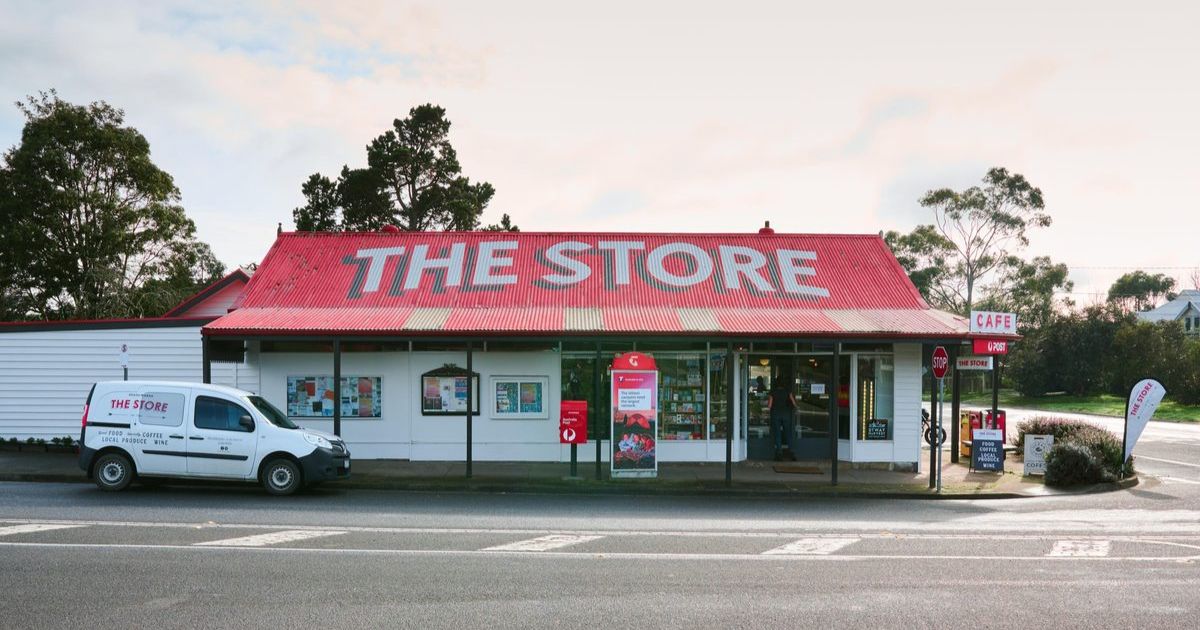
Rather than presenting as a continuous strip of housing, Dean Marsh reads as a loose rural settlement. The main intersection forms a modest hub, with a general store and cafe providing a meeting point for locals and passing cyclists, alongside the community hall and primary school. Beyond that, the town disperses quickly into farmland.
The district’s European settlement dates to the mid-1800s, initially driven by timber harvesting before grazing and small-scale agriculture took hold. Today, cattle and sheep farming remain common, alongside hobby farms, orchards and small regenerative agriculture ventures that reflect changing land use patterns.
Housing stock reflects that layered history. Early timber cottages and farmhouses remain, some extended or carefully restored, alongside simple post-war homes. Newer builds tend to sit well back from the road on acreage blocks, prioritising privacy, orientation to the sun and protection from prevailing winds.
Infrastructure is intentionally limited. There is no large supermarket or commercial strip; for comprehensive services, residents travel to Winchelsea, Lorne or Geelong. School buses connect to secondary colleges in surrounding centres, and improved road links have made commuting more feasible, though most households accept travel as part of rural living.
Buyers are typically drawn by land size, outlook and seclusion rather than proximity to retail amenity. Blocks often range from a few thousand square metres to multi-hectare holdings, allowing space for gardens, sheds, animals or small-scale farming. The appeal lies in autonomy – room to grow food, store equipment or simply maintain distance from neighbours.
While close enough to the coast for a half-hour trip to Lorne or Anglesea, Dean Marsh maintains a distinctly inland rhythm. Its growth has been incremental rather than estate-driven, preserving the sense of a defined village surrounded by working landscape. For many residents, that balance – accessibility without intensity – is the defining feature.
The predominant age group in Deans Marsh is 60-69 years.
Households in Deans Marsh are primarily childless couples and are likely to be repaying $1,800-$2,399 per month on mortgage repayments.
In general, people in Deans Marsh work in a professional occupation. In 2021, 85.6 per cent of the homes in Deans Marsh were owner-occupied compared with 76.3 per cent in 2016.
Quick Stats: Deans Marsh
Population: 368
Male: 49.7%
Female: 50.3%
Median age: 47
5 Year Population Change: 36.8%
Median House Value: $2,971,758
Change in Median House Price (5YRS): 127%
Median Asking Rent Per Week: NA
Average Length of Ownership (Years): NA
Median House Price Over Time:
January 2026: $2,971,758
January 2025: $3,649,234
January 2024: $3,990,970
January 2023: $1,925,140
January 2022: $1,307,415
House Sales (12 Months): 4
Land Median Sale Price: NA
Land Sales (12 Months): 3
Share


Related Articles

Coastal lifestyle continues to drive demand in postcode 3228
THE postcode 3228 property market continued to show resilience throughout…
The vision that shaped Armstrong Mt Duneed
AFTER almost two decades of development, Armstrong Mt Duneed is…