Big bucks to flow into landmark water-saving works
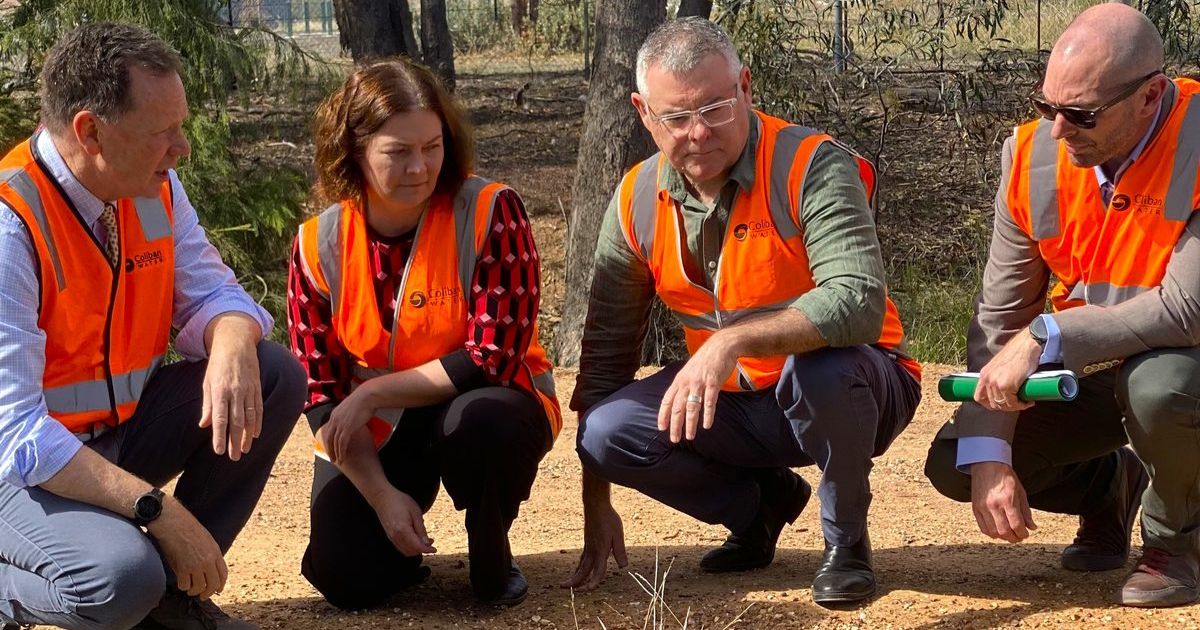
Coliban Water chair Bob Cameron, Bendigo MP Lisa Chesters, Minister for the Environment and Water Murray Watt and Coliban Water CEO Damien Wells inspected a section of the 1870s-era channel network recently. Photo: Supplied.


A NEW $160 million water efficiency infrastructure project will deliver more water for the Murray-Darling basin by modernising essential infrastructure around Bendigo and its outlying townships.
The Coliban Rural Water Efficiency Project, which will be funded to the tune of $120 million by the federal government’s Resilient Rivers Water Infrastructure Program and up to $40 million by Coliban Water, is being described as marking a major step forward in delivering a more efficient and sustainable water future for the region.
It is expected to reduce losses, increase the use of recycled water throughout the network and increase reliability and productivity for customers and irrigators.
The project will contribute almost 4.6GL towards the Murray-Darling basin’s 450GL water recovery target, with a total of 300ML of water savings to be returned to traditional owners for self-determined use.
Federal Bendigo MP Lisa Chesters said the project will ensure water isn’t being lost through either leaky pipes or other avoidable circumstances and will deliver more water for the environment and for the local Indigenous community.
“Water is a finite resource, so we must make sure every single drop is well-used,” she said.
State Bendigo West MP Maree Edwards said it is about bringing “more water to families and farmers while preventing water loss from the aging water system”.
“These changes will increase capacity in Coliban’s storages to support a growing Bendigo and maintain reliable services,” she said.
Coliban Water chair Bob Cameron thanked both the federal and state governments as well as key stakeholders and partners for their support in making the project possible.
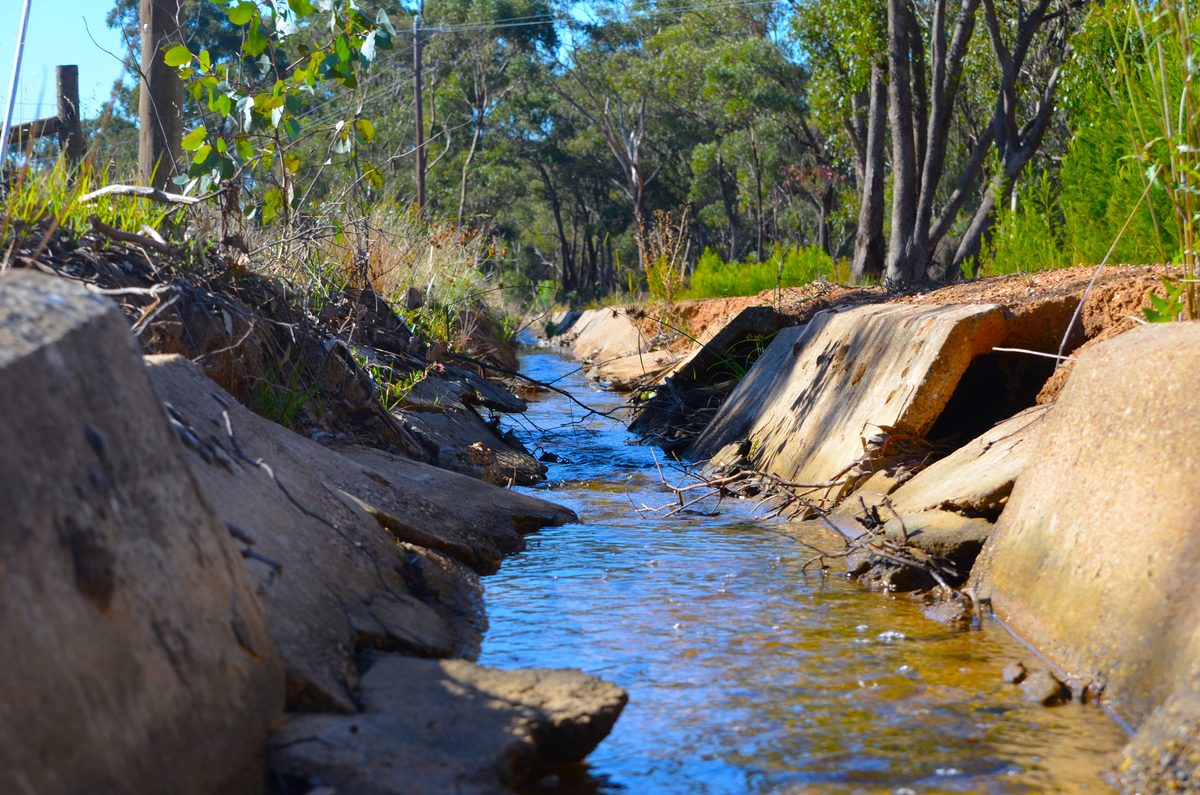
Coliban’s rural supply network was first established in the 1870s and serves about 1300 people – including farmers and business owners – with up to 7000ML of water annually.
In their current form, the aged, deteriorated channels are estimated to lose around an astonishing 80 per cent of their water due to leaks and seepage.
For more information on the Resilient Rivers Water Infrastructure Program visit the DCCEEW website.
Share


Related Articles

Miner stumps up major food relief cash
BENDIGO Foodshare has announced it will receive $100,000 in funding…
APCO backs everyday heroes with July campaign
Everyday acts of kindness will be recognised at APCO service…