How IT asset disposal protects companies from data breaches
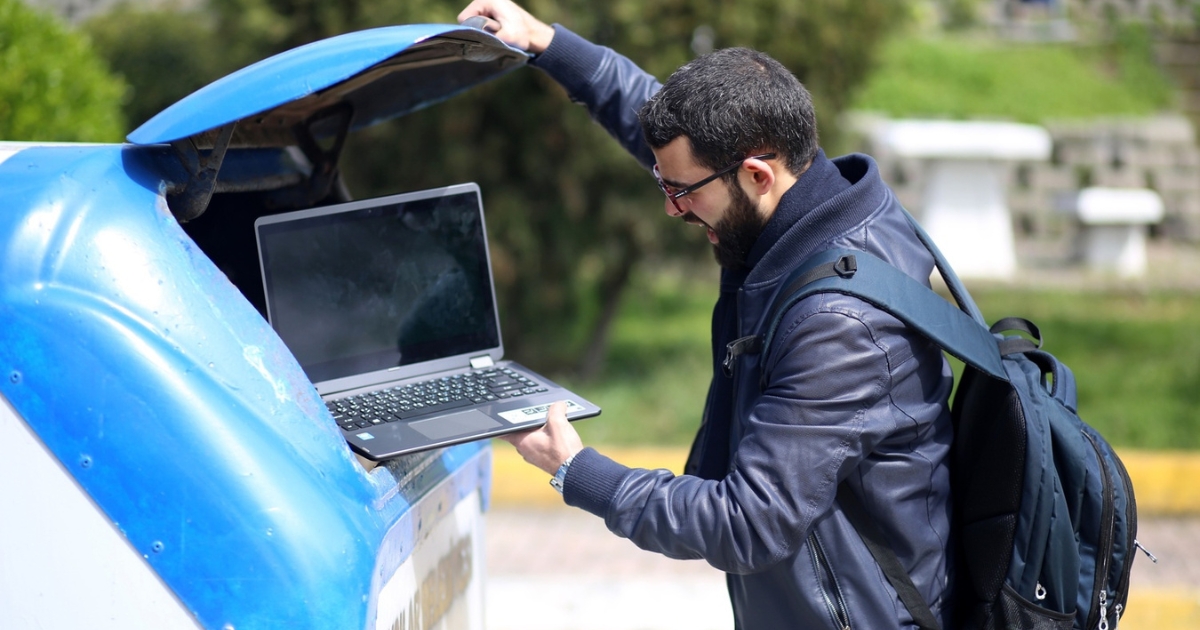
Learn how secure IT asset disposal (ITAD) protects businesses from data breaches, ensures legal compliance, and safely destroys sensitive data from retired hardware.


Most business owners spend a lot of time worrying about hackers sitting in dark rooms halfway across the world. We invest heavily in firewalls, complex passwords, and anti-virus software to keep the digital ‘front door’ locked. However, many companies leave the ‘back door’ wide open when they upgrade their office technology. When you replace an old laptop or decommission a server, that piece of hardware remains a dense repository of your company’s most sensitive information.
If you simply toss old gear into a storeroom or hand it over to a standard e-waste recycling facility without a plan, you are handing over your data, too. Secure IT Asset Disposal, or ITAD services, is the process of ensuring that every piece of retired hardware is handled so that data recovery becomes impossible. It is a critical safety net that catches the risks many people overlook in the rush to install shiny new equipment.
The Hidden Risks in Your Storage Cupboard
Many offices have a ‘cupboard of doom’ filled with dusty tablets, old mobiles, and outdated towers. While it feels safe because it is behind a locked office door, this habit creates a massive security blind spot. Effective IT security management requires you to look at the entire lifecycle of a device, not just the years it sits on a desk. Every day those devices sit idle, they represent a potential data breach waiting to happen if the office is broken into or if an employee handles the disposal incorrectly.
Laptops and servers are the obvious culprits, but don’t forget about the ‘smart’ tech. Digital copiers and printers often contain internal hard drives that store an image of every single document ever scanned or printed. If you return a leased printer or sell an old one without clearing that drive, you might be handing over tax file numbers, client contracts, and employee payroll details to the next owner.
Moving Beyond Simple Deletion
A common mistake is thinking that deleting files or formatting a drive is enough to protect a company. Unfortunately, standard deletion only hides the files from the operating system; the actual data stays on the platter or flash chips until it is overwritten. A teenager with free software downloaded from the internet can often recover those deleted files in minutes.
To truly protect your business, you need a professional approach to data destruction. This involves using specialised software to overwrite the drive multiple times or, for higher security, using a degausser to disrupt the magnetic field of the drive. When a device reaches the end of its life, the most certain way to ensure total peace of mind is physical destruction. Industrial shredders can turn a hard drive into tiny pieces of scrap metal, making it physically impossible for any data recovery tool to piece the information back together.
Professional Handling and Logistics
Secure disposal extends far beyond simply crushing a hard drive. Every step taken after a device leaves an employee’s hands contributes to your overall security. A formal chain of custody acts as your proof of safety, tracking exactly who handled the gear and how it was transported or stored before reaching the shredder.
If you hire a professional service, they should provide you with a clear audit trail. This often includes:
- Serial number tracking for every individual item.
- Tamper-evident seals on collection bins.
- GPS-tracked vehicles for transport to the destruction facility.
- A formal certificate of destruction once the process is complete.
Without this paper trail, you have no way to prove that your data didn’t end up in the wrong hands during transit.
Meeting Your Legal Obligations
Modern businesses operate in a world defined by strict privacy laws and heavy penalties for data mismanagement. If you lose client information due to sloppy disposal habits, you usually face a legal requirement to report the lapse to both government regulators and the individuals affected. These incidents often lead to massive fines and a permanent stain on a company’s professional reputation, regardless of where the business is located.
Partnering with professional data centre services or specialist disposal experts helps you meet these global compliance requirements without needing a law degree. These specialists ensure that your disposal process aligns with international privacy standards and data protection acts. This partnership turns a high-risk chore into a documented, repeatable business process that keeps regulators satisfied and maintains the trust of your global client base.

Environmental Responsibility and Hardware
While the primary goal is security, we also have to think about the environment. IT equipment contains heavy metals and toxic chemicals that should never end up in a landfill. A proper disposal plan ensures that once the data is safely destroyed, the raw materials, like gold, copper, and plastic, are recovered and reused.
Many businesses find that they can even recover some value from their old assets. If the data is wiped to a professional standard, some components can be refurbished and sold on the secondary market. This ‘circular economy’ approach reduces waste and can sometimes offset the cost of data security services. It is a rare win-win situation where being more secure also makes you more sustainable.
Conclusion
Data breaches are expensive, stressful, and entirely preventable when it comes to old hardware. By treating your retired assets with the same level of caution as your live network, you remove a major weapon from a criminal’s arsenal. Secure disposal is not an IT problem; it is a core business protection strategy.
When you next look at that pile of old laptops in the corner, don’t see them as old tech. See them as containers of your company’s secrets. Taking the time to organise professional destruction ensures those secrets stay exactly where they belong: in the past.
//This content is provided by a third party
Share


Related Articles

Free V/Line travel after 24-hour rail shutdown: here’s when
Two days of free V/Line travel have been announced for…
Bendigo council mourns Cr Donna Nicholas
Donna Nicholas, the City of Greater Bendigo’s Lockwood Ward councillor,…