Multi-pronged collab strives to shut out superbugs

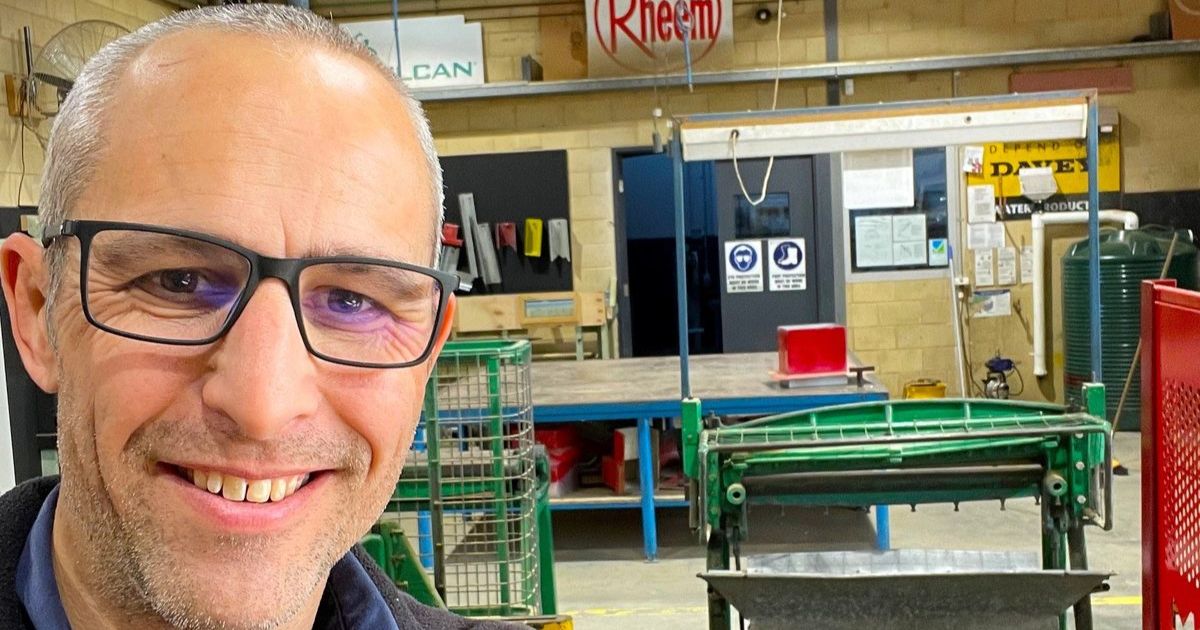
Pinpoint accuracy: Associate Professor Donna Whelan and her team are preparing to use custom–built super–resolution microscopes - which will allow them to track molecules at a scale far smaller than the width of a human hair - to watch LigE at work inside living bacteria. Photo: SUPPLIED


A TEAM from La Trobe University Bendigo’s Holsworth Biomedical Research Centre is joining an international effort to uncover how dangerous bacteria evolve into drug–resistant superbugs.
Intriguingly, the answer may lie in a tiny enzyme called LigE.
The newly funded collaboration, led by Dr Adele Williamson from the University of Waikato in New Zealand, suggests bacteria may be using LigE as a molecular “patch kit,” repairing pieces of DNA they scavenge from their environment, including antibiotic resistance genes.
If this is true, the mechanism could significantly speed up the spread of resistance.
As part of the drive, PhD students from New Zealand will travel to Bendigo to work on the project.
Postdoctoral researcher Dr Elizabeth Rzoska–Smith, who completed her PhD with Dr Williamson before joining Associate Professor Donna Whelan’s laboratory at the La Trobe Rural Health School, will lead much of the experimental work.
Dr Whelan and her team are preparing to use custom–built super–resolution microscopes to watch LigE at work inside living bacteria.
The advanced equipment will allow them to track molecules at a scale far smaller than the width of a human hair, offering some of the first real–time imagery of how bacteria interact with DNA during the earliest stages of resistance development.
“Our microscopes let us watch these molecular events at a scale that was impossible just a few years ago,” she said.
“It has the potential to fundamentally shift how we understand antibiotic resistance.”
By uncovering whether LigE helps bacteria quickly adapt and develop resistance, the team hopes to identify new ways to slow or block the process, helping safeguard the effectiveness of antibiotics for future generations in rural Australia and beyond.
Share


Related Articles

Teacher strike confirmed as AEU members reject revised pay offer
Thousands of Victorian public school teachers will strike on Thursday…
Chamber Alliance concerned by proposed jobs code
The Victorian Regional Chamber Alliance has raised concern over proposed…