Multicultural Connect Central Victoria welcomes new CEO
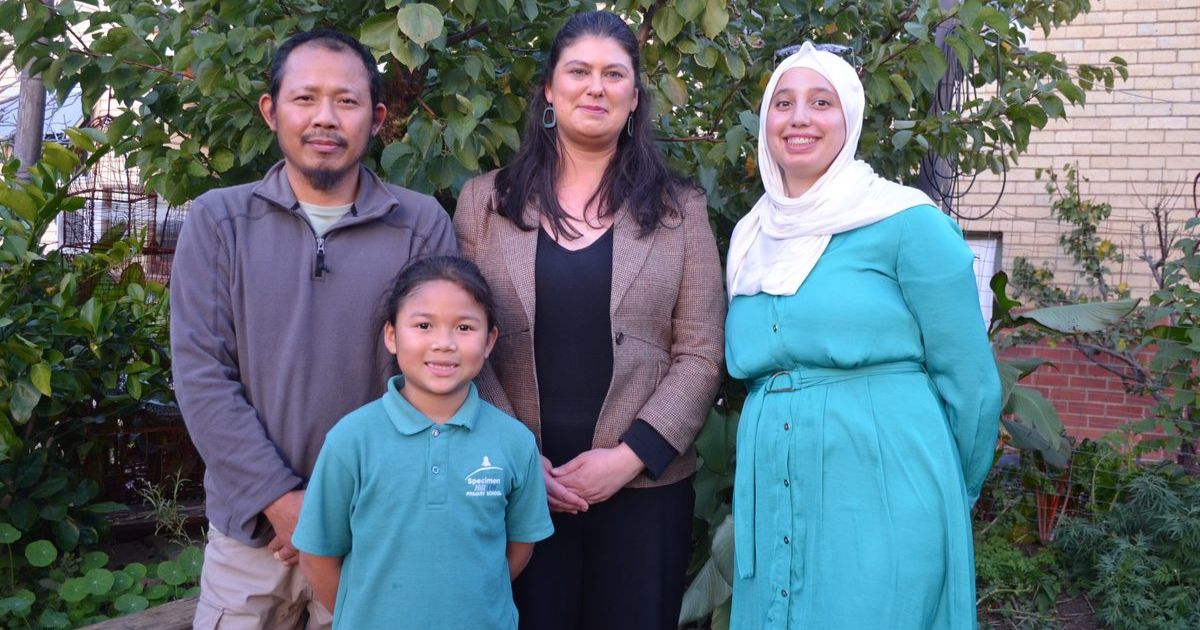
Kate Steenvoorden (centre) with Harambee Homework Club student Shakira and tutors Saw Soe Eh Gay and Fatima Zahra Redouane. Photo: Adam Carswell.


GRASSROOTS migrant and refugee support cooperative Multicultural Connect Central Victoria has appointed Kate Steenvoorden as its interim CEO.
The organisation, which works across six local government areas – Campaspe, Central Goldfields, Greater Bendigo, Loddon, Macedon Ranges and Mount Alexander – was established in 2021 to address the need for safe, welcoming environments where communities could come together.
It operates programs including the Multicultural Women’s Driving Program, Moving Feasts and the popular Harambee Homework Club.
The Castlemaine resident said she was drawn to the role after having worked in the multicultural services sector for over two decades.
“I love working in this space and particularly supporting the settlement journey for newly arrived community members,” she said.
“I think it can make such a difference for families when they’re well supported.
“I also love that it is a changing community and it’s changed quite a lot since I grew up here, and I want to be part of that change and make that change as positive as it can be.”
Previously acting as co-CEO of Neighbourhood Collective Australia, Steenvoorden said she has been able to bring a lot of local community connections across with her.
“Already I’m talking to people who I have relationships with about how we can support multicultural communities,” she said.
“I find it really important and I really value those relationships.”
She said there are three areas of the organisation’s work that she will focus on immediately.
“One is settlement work, particularly with newly arrived communities to support them to build their new lives, to feel that sense of belonging here in central Victoria,” she said.
“We also do capacity building work – that might be working with local councils to increase their cultural responsiveness, but also capacity building with cultural associations and groups to build their strengths and their impact.
“The third area is cross-cultural work, which focuses on food and celebration and bringing community together.”
All things considered, Steenvoorden said she believes the more people that can connect with each other and get to know cultures outside of their own, the more they tend to see that we have more in common than we have differences.
“So, our work is often about providing opportunities for people who want to get to know each other across cultures and have opportunities to ask questions and build those relationships,” she said.
“That is the role that we play.”
Share


Related Articles
Miner stumps up major food relief cash
BENDIGO Foodshare has announced it will receive $100,000 in funding…
APCO backs everyday heroes with July campaign
Everyday acts of kindness will be recognised at APCO service…