Research team seeks urban opinions
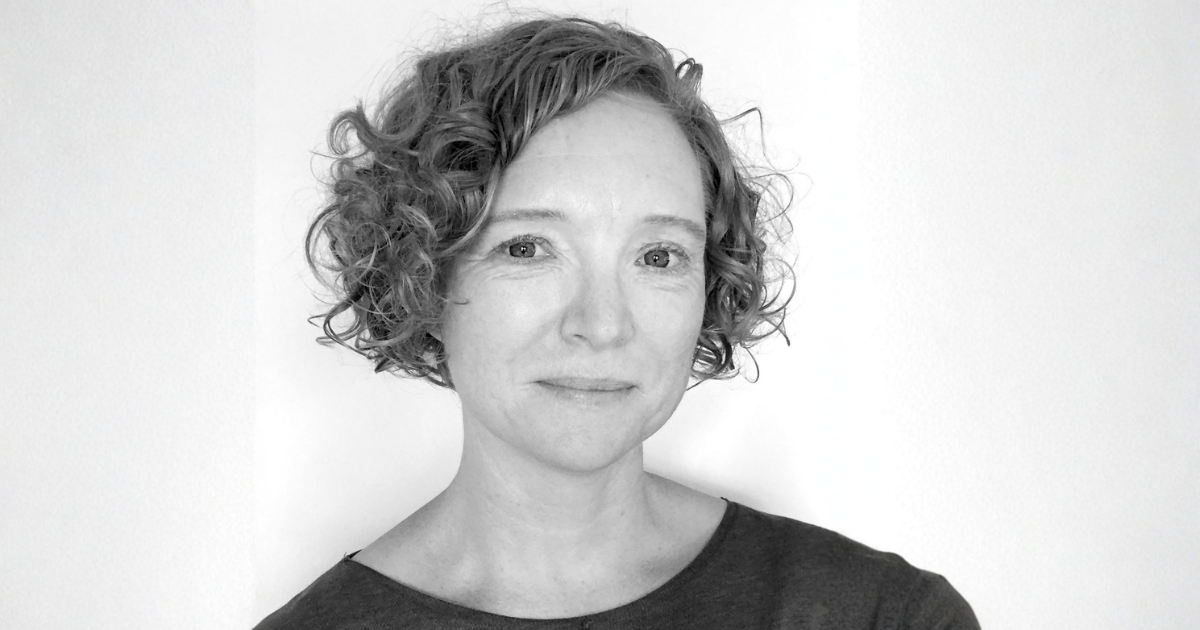
Project lead, RMIT's Dr Emma McRae, said her team is keen to talk to people about their opinions on how more housing can be supplied in a way that supports healthy living. Photo: Emma McRae/supplied.


RESIDENTS interested in apartment living in Bendigo and what central Bendigo might look like as a liveable, healthy, more-populated urban area in the future are invited to take part in a research project being conducted by RMIT University’s Centre for Urban Research.
Participants will be required to attend two evening workshops and keep a diary for seven days, recording how they spend time and travel through town.
The first workshop, scheduled for late July, will cover how participants use their current suburb and they will also be asked to brainstorm what features of their suburb are important to their health.
In the second workshop, taking place three weeks later, they will be presented with different visual scenarios of what a liveable Bendigo with higher housing density might be like and asked how they imagine these environments might impact on their health.
In return they will receive a $50 Coles Myer gift card for each of the three components.
Project lead Dr Emma McRae said the Future Urban Planning Scenarios for Better Health project is essentially based on the concept of liveability.
“Some of our team members are from the Australian Urban Observatory, which is a research centre at RMIT, and they have a series of indicators that constitute what liveability is,” she said.
“It’s really looking at how people can be healthy in their neighbourhoods.
“That means, how walkable is your neighbourhood? How easy is it to walk to different services or different shops that you might need?
“How much open space is there in your neighbourhood? What kinds of food are available?
“Is there public transport? Is there walking and riding infrastructure available?”
Dr McRae said the workshops are particularly relevant to people who are interested in finding out how planning works.
“We talk a little about what planners do and how these kinds of processes are put together,” she said.
“So, there’s a little bit about learning about how that works, about those kinds of health impacts in neighbourhoods as well, and what is required for creating a more healthy neighbourhood.
“We’re really keen to talk to people about their opinions on how more housing can be done in a way that supports healthy living for those who are living in that particular place.”
To register for the workshops, fill in the online form.
For further information contact Dr McRae via [email protected]
Share


Related Articles
Miner stumps up major food relief cash
BENDIGO Foodshare has announced it will receive $100,000 in funding…
APCO backs everyday heroes with July campaign
Everyday acts of kindness will be recognised at APCO service…