101-year-old veteran enlisted as a teenager to ‘win the war’ – decades on his view has changed
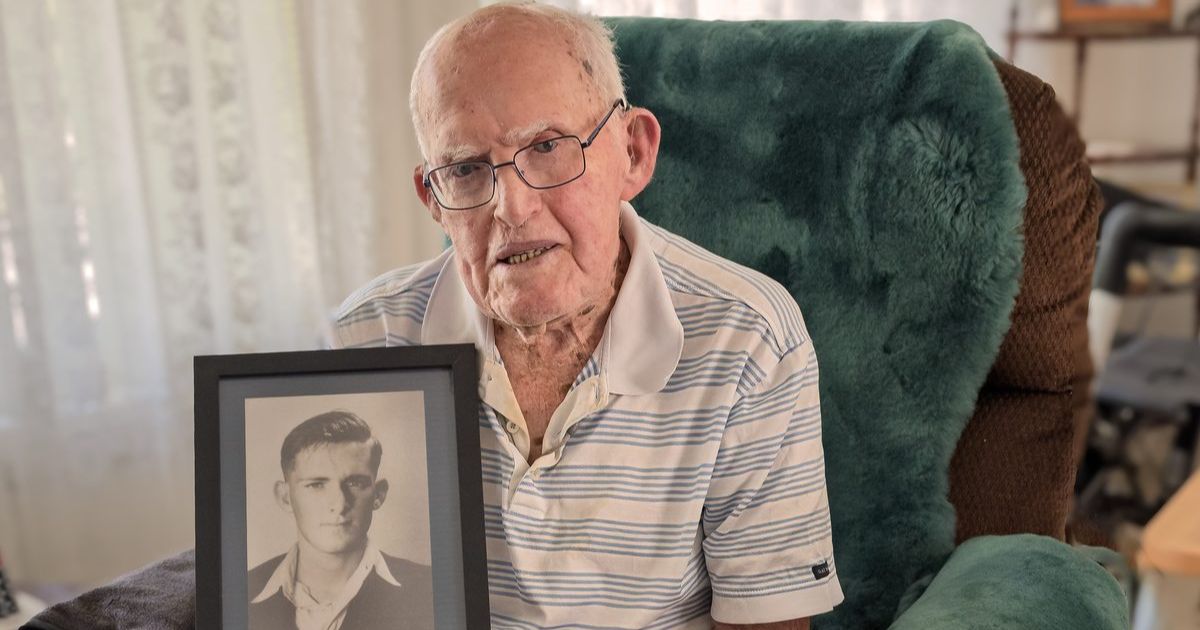
Jack Donohue with his enlistment photo from 1943. Photo: Lyn McCarthy


JACK Donohue was a fresh-faced 18-year-old when he enlisted in the Royal Australian Air Force (RAAF) in 1943.
At the time, the second world war had been raging for four years and, like many young men his age, Donohue was eager to get involved as soon as he was old enough.
“I was going to win the war for them,” the 101-year-old Lismore resident joked.
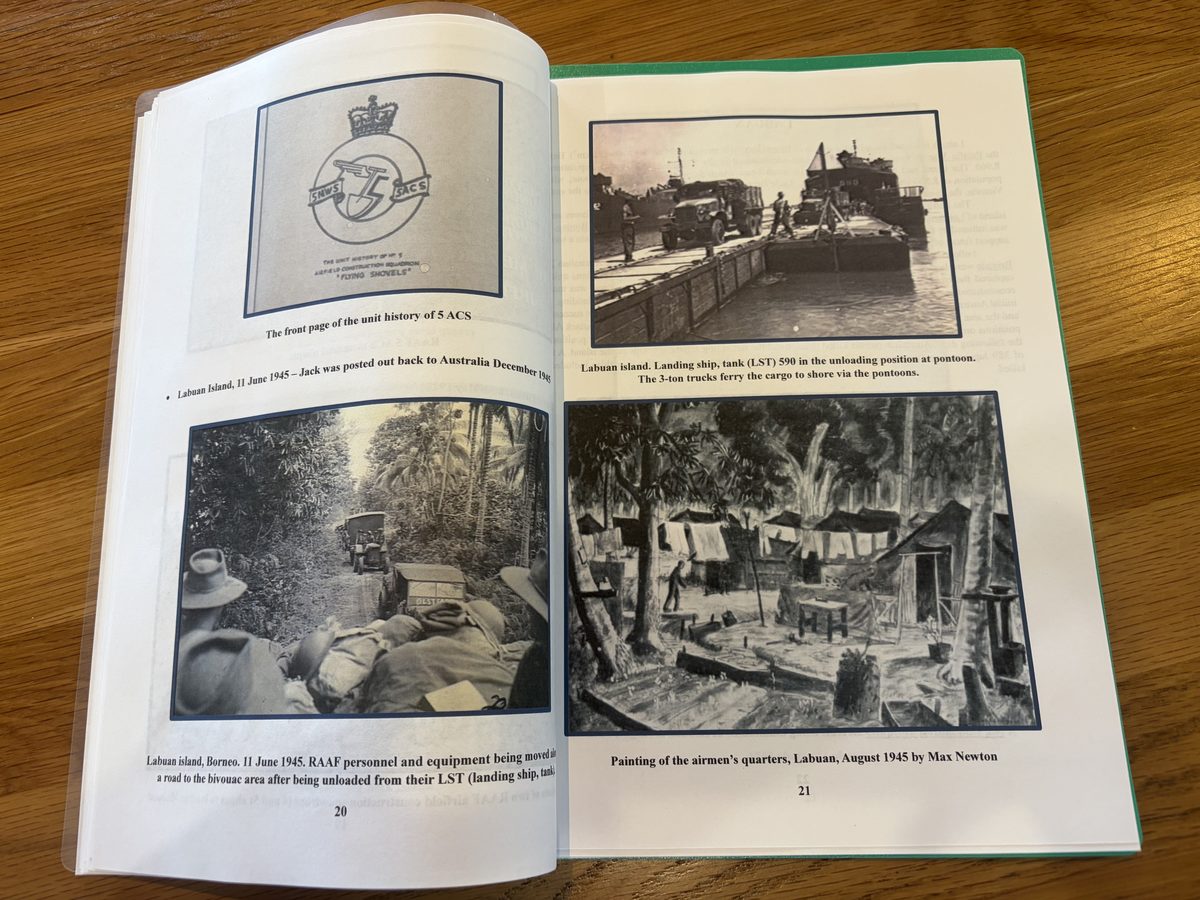
A mechanic by trade, Donohue served in No. 5 Airfield Construction Squadron, operating in New Guinea and Borneo. His work often took place under the threat of enemy attack, as he helped ensure Allied bombers and fighters had operational runways.
His tenure included improving and maintaining airfield facilities for the US Army and United States Army Air Forces on Biak Island, off the coast of the Indonesian province of Papua, before relocating to Morotai Island. He was also based in Labuan during the Battle of Borneo, where his unit was responsible for rapidly restoring airfields to secure Allied air superiority during the liberation of North Borneo.
The RAAF’s equivalent of army engineers, the squadron was nicknamed the “Flying Shovels”.
“It suited us down to the ground,” Donohue said. “We were a pretty big unit in those days.”
He remained with the squadron until the war ended in 1945, marked by the formal surrender of Japan following the collapse of Nazi Germany.
The outcome was considered vital for the survival of democratic nations, the stability of the global order and the end of unprecedented humanitarian atrocities.
But more than 80 years later, when Donohue reflects on his wartime service, his feelings are complex.
“So many innocent people get killed,” he said. “They’re the ones who suffer most.”
After the war, Donohue returned to Lismore, where he worked at Prattens car dealership for nearly 30 years. He later managed the South Lismore Post Office until retiring at age 65 in 1990.
His wife Mary died in 1997. He has two daughters who live in Sydney.
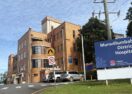
Over the years, Donohue has been in and out of hospital battling kidney problems he developed during the war. Despite this, he continues to live independently in a unit near St Vincent’s Hospital, supported by the Department of Veterans’ Affairs.
He describes his wartime service as “nothing spectacular” and says he has no bad memories – though he admits it was a long time ago.
Donohue received several medals for his service, including the Pacific Star and the 1939–45 Star.
“I had a lot of good friends – that’s what it’s all about,” he said. “A few friends died in Borneo – not by guns but car accidents. I’m the last one left. I guess someone has to be last.”
While he previously attended Anzac Day services in Lismore, he now finds it too difficult to walk and instead watches the parade on television.
“I wouldn’t miss that,” he said.
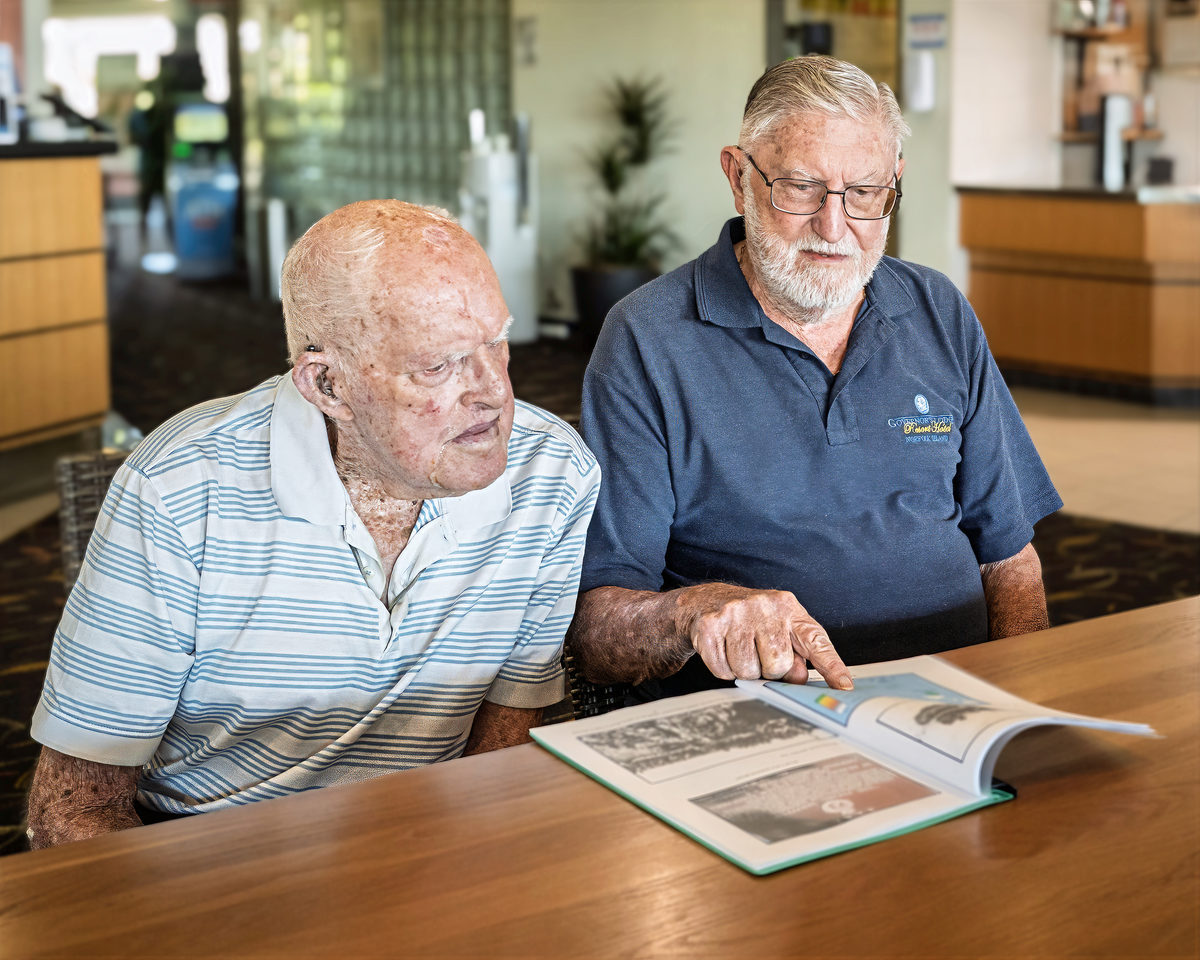
He still attends RSL meetings once a month with his friend, Goonellabah-based military historian Dr Graeme Nicholson, whom he met through the RSL.
“He’s very good to me, he picks me up and takes me there,” he said. “Otherwise I wouldn’t be going, I can’t drive myself anymore.”
Dr Nicholson, 87, also served in the air force for more than two decades and was a pilot during the Vietnam War. He has compiled books documenting the military service of around 20 veterans, including Donohue.
He plans to attend the Anzac Day service at the Lismore Cenotaph on Molesworth Street at 5am.
“It’s important because it remembers all the servicemen and their service,” he said.
Share


Related Articles
Local health, education projects to receive multi-million-dollar injection through state budget
New ambulance stations, expanded maternity services and ongoing flood recovery…
ED and surgical activity remains high as acuity levels rise across Northern NSW hospitals
EMERGENCY departments and surgical theatres across Northern NSW Local Health…