From Moree to the sea: Meet the woman uncovering Byron’s underwater wonders
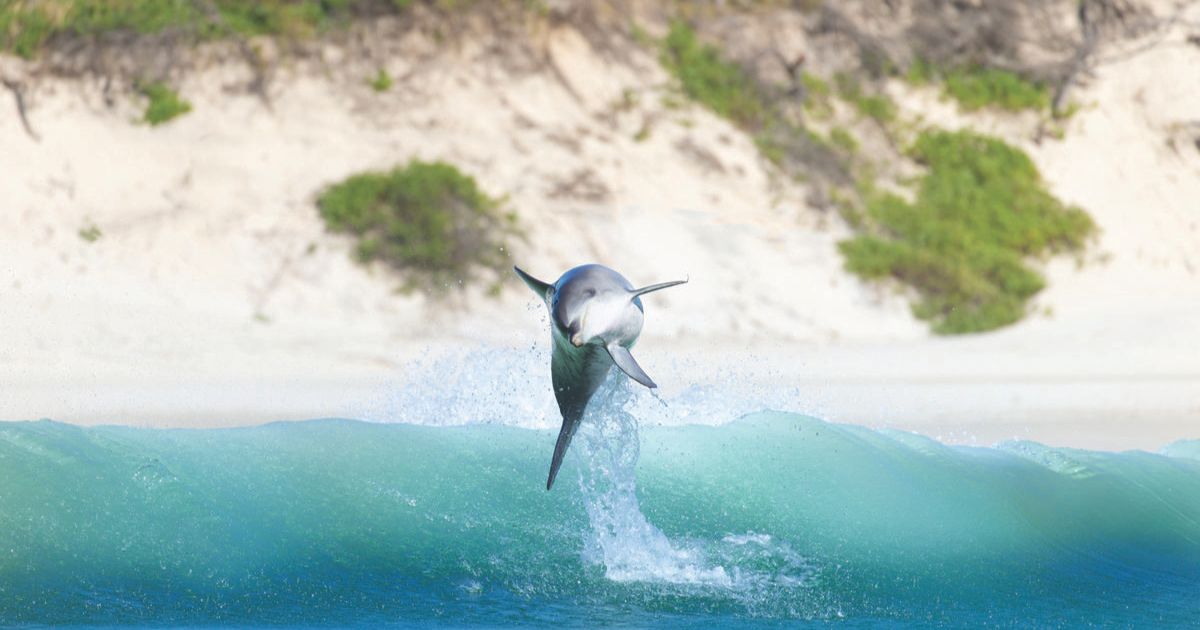
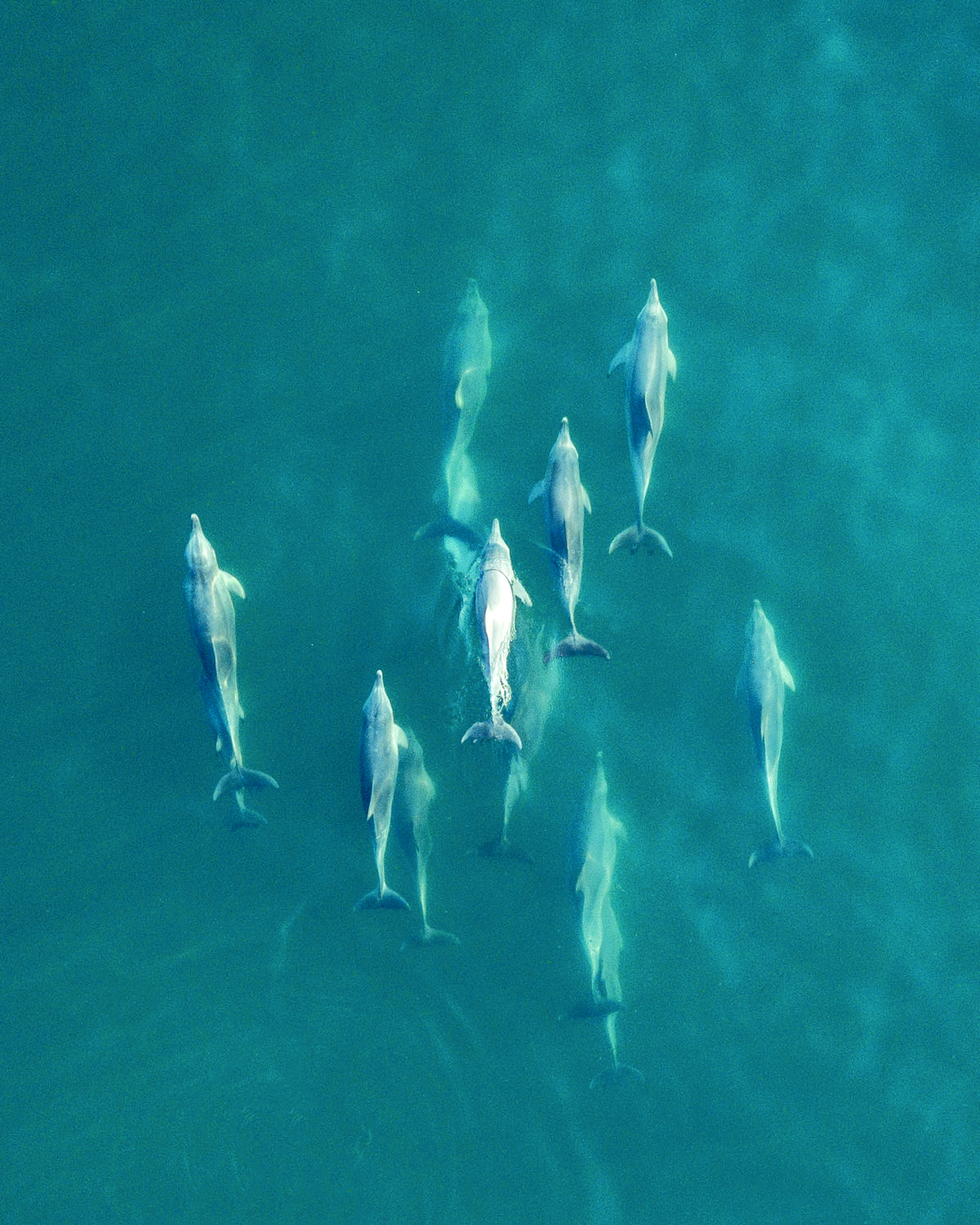
A bottlenose dolphin. Photo: CRAIG PARRY-DOLPHIN RESEARCH AUSTRALIA


ALICE Forrest was obsessed with dolphins as a child – despite growing up in Moree, more than 400 kilometres from the ocean in north-west NSW.
She fell in love with the sea during regular visits to her grandparents’ home on the coast, and on family holidays to Yamba and Port Macquarie. After finishing high school, she travelled the world for several years before deciding to study conservation biology at Macquarie University.
“I realised I wanted to be the next Jane Goodall and help protect endangered species and wild places,” she said. “While studying I started scuba diving and remembered how incredible the ocean is. I fell back in love with dolphins and whales, and also saw how much the ocean needed our help, particularly regarding plastic pollution.”
Forrest went on to complete honours research on marine plastic pollution at the University of Tasmania in Hobart, earning a degree in Marine and Antarctic Science. Since then, she has studied and worked as a guide across the globe, from Antarctica to the Arctic. When she’s not on assignment, she lives in an off-grid tiny house at Tyagarah, just north of Byron Bay.
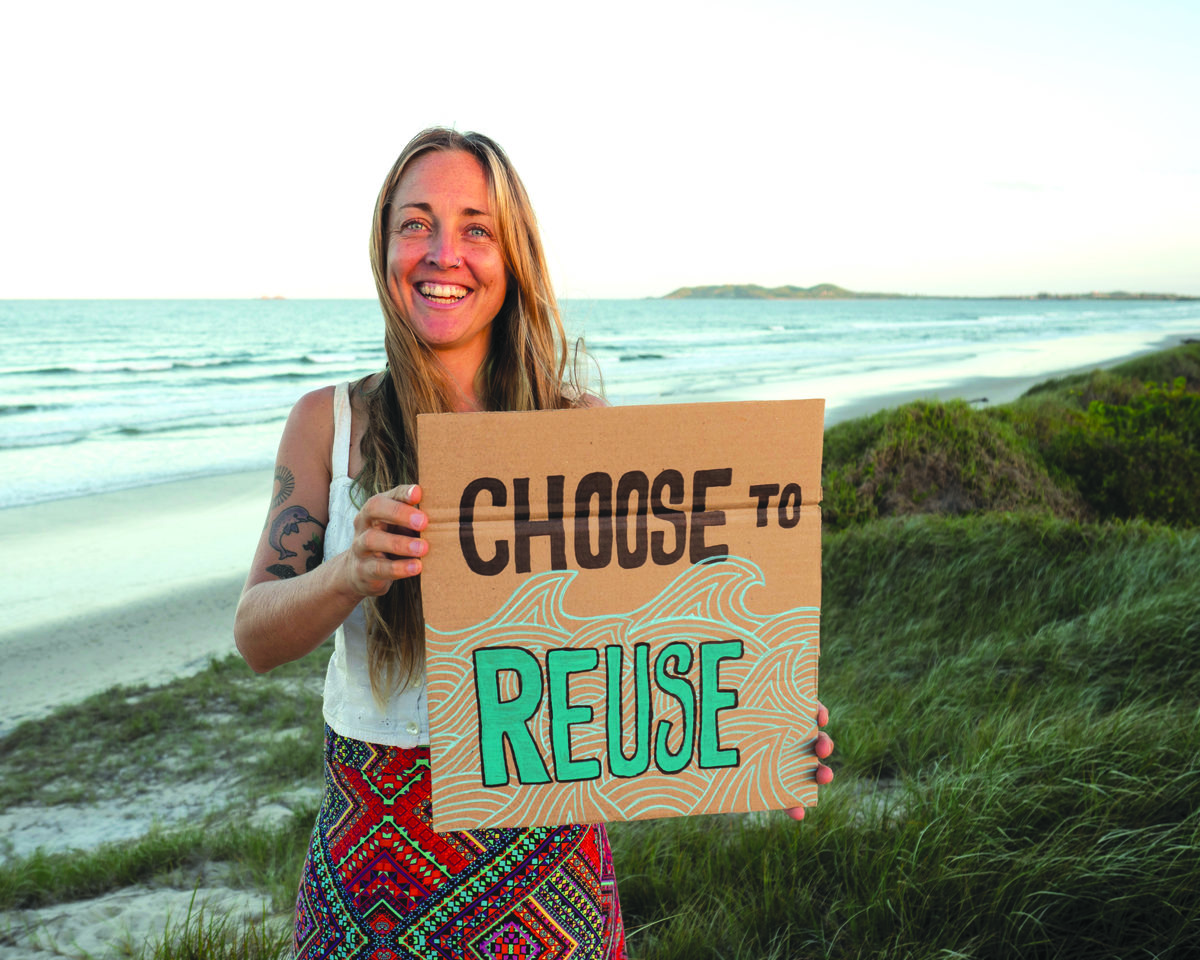
“I love living in this part of the world because of the easy access to some of the most magical ocean in the world,” she said. “Nguthungulli/Julian Rocks is the most incredible little marine-protected area and it’s always a joy to visit. The seasonal visitors – humpback whales, leopard sharks, mantas – mean it’s always changing out there.”
In 2022, Forrest approached Dolphin Research Australia CEO Dr Elizabeth Hawkins with the idea of seeking recognition for the local region as a Mission Blue Hope Spot – an area scientifically acknowledged as biodiverse and vital to global ocean health.
“The Hope Spot concept was created by Sylvia Earle, who is like a female David Attenborough for the ocean, with the idea of raising awareness of the value and importance of these places and rallying support within the local community,” Forrest said.
Now coordinator of the Byron Bay Hope Spot, Forrest helps oversee the area recognised in 2023, stretching from the Richmond River north to the Brunswick River and three nautical miles offshore. It encompasses the Cape Byron Marine Park along with other key waterways.
“Dolphin Research Australia actually does a lot of amazing work outside their incredible dolphin research and advocacy,” she said. “Here in the Northern Rivers we have more than 1000 marine species, and critical habitat for many threatened species like the grey nurse sharks and loggerhead turtles. As well as high levels of biodiversity, this is a culturally significant site for local Aboriginal communities. But this important coastal region is threatened by many complex problems and requires many actions locally to ensure its long-term protection.”
More than 800 Indo-Pacific bottlenose dolphins have been recorded in the Cape Byron Marine Park, some resident and others passing through. Common bottlenose and short-beaked common dolphins are also regulars.
“Occasionally we get really fascinating and unique visitors, like the Australian humpback dolphin,” Forrest said. “These were only recognised as a species in 2013, and while quite shy around people they’re a really social animal, each with their own name – a signature whistle.”
In 2024, Forrest ran a “marine bioblitz” to encourage community participation in citizen science.
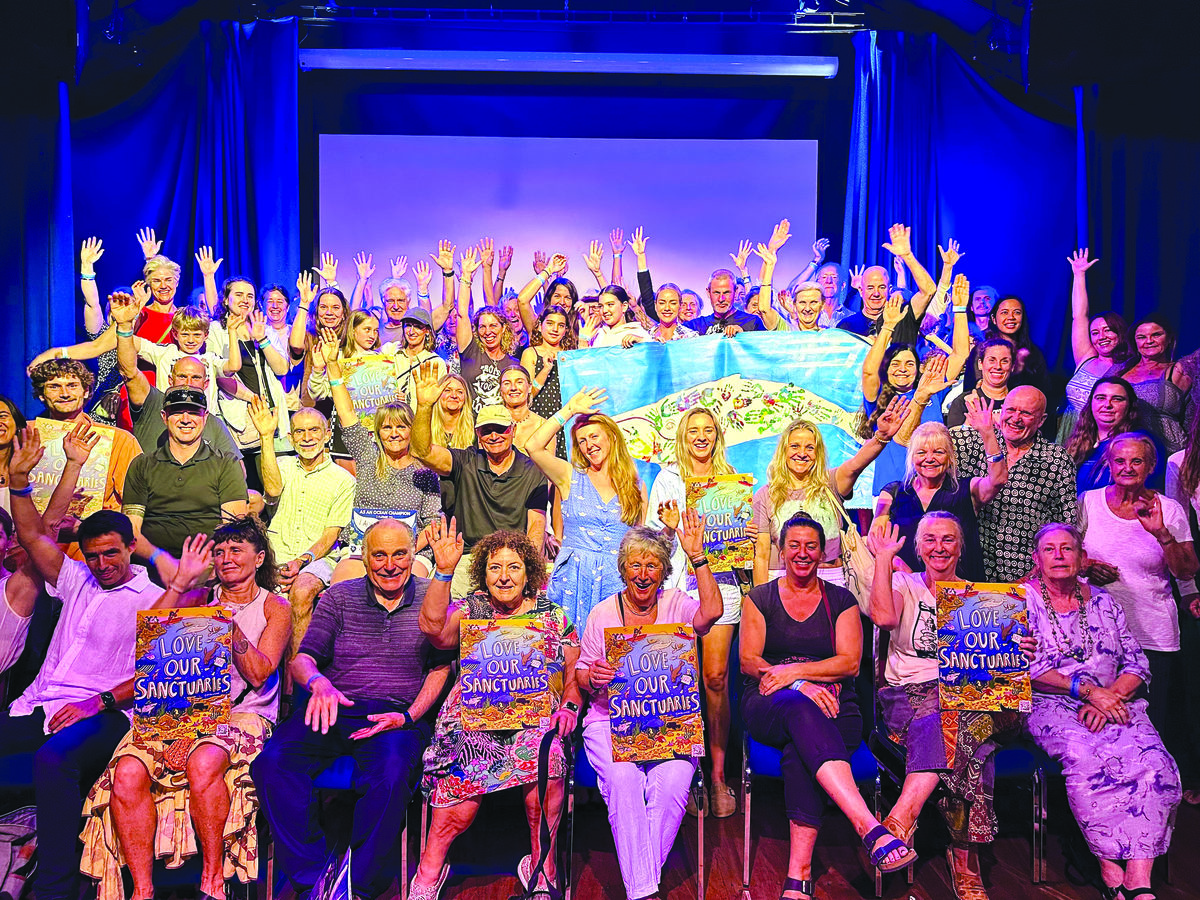
“We found loads of fascinating animals here on our coast, from pineapple fish with glow-in-the-dark faces, to bright blue floating ‘dragons’ – an ornate nudibranch with wing-like appendages,” she said.
Dolphin Research Australia plans to run regular workshops and events across the region in 2026, supported by outdoor clothing company Patagonia. The aim is to equip ocean users with the skills to contribute valuable data and observations while boating, snorkelling or paddling.
“These workshops will involve an education session, then we’ll head out on the water by boat to run surveys above and below the water,” Forrest said. “We’ll also be doing hands-on community workshops to address problems facing the Hope Spot, like habitat degradation, pollution and climate change.”
To get involved, sign up for the DRA newsletter and keep an eye out for upcoming opportunities.
Share


Related Articles
Local health, education projects to receive multi-million-dollar injection through state budget
New ambulance stations, expanded maternity services and ongoing flood recovery…
Family, Country and storytelling come alive in Baabinje’s Backyard at Tweed Regional Gallery
A new exhibition exploring family, culture and connection to Country…