How a dream led Russian-born chef on the path to fermentation
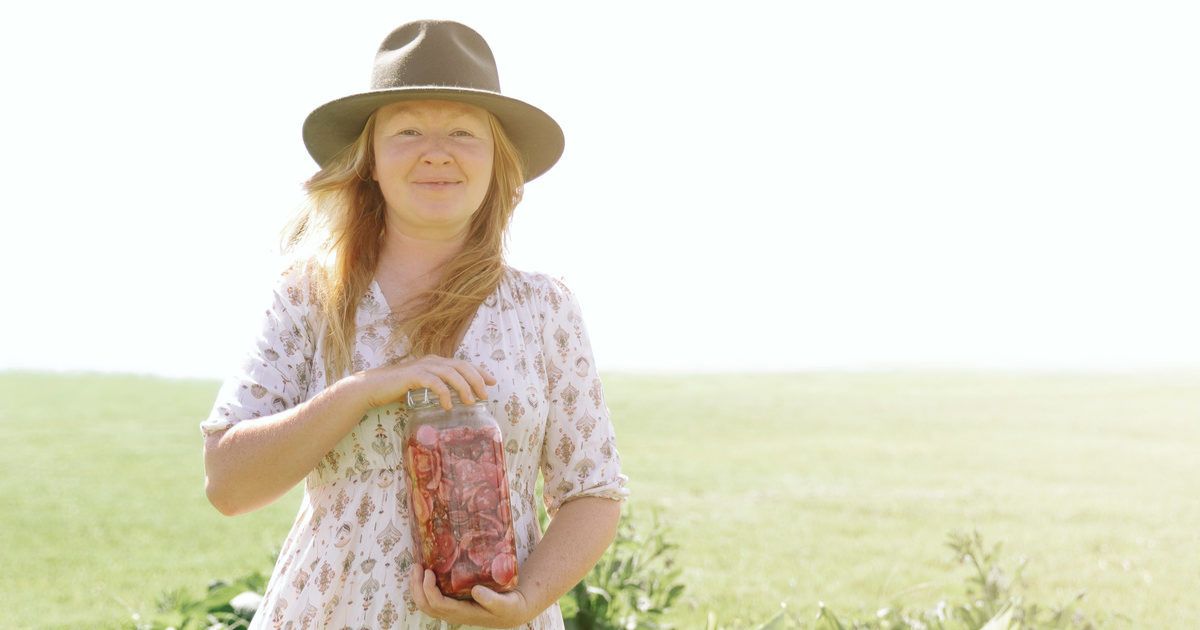
Katerina Lazareva from Byron Fermentary at The Farm. Photo: MIA FORREST


WHEN Katerina Lazareva’s great-grandparents were exiled to a labour camp in Kazakhstan during the Stalin regime in the 1950s, they had no choice but to live as sustainably as possible, farming and preserving their own food.
More than half a century later, Lazareva is following in their footsteps with her fast-growing business, Byron Fermentary.
But the Russian-born chef has always followed her dreams – literally.
Lazareva was working in marketing in the UK in 2011 and feeling dissatisfied with corporate life when she had a dream that she was wearing a chef’s jacket with the Australian flag on it.
She moved to Sydney a few months later to study to become a chef, soon gaining work experience and then a position in the kitchen at the acclaimed harbourside restaurant Quay. She also worked at Rockpool Bar and Grill, but after a brief stint in India, she once again felt burnt out and realised she wanted to do something more meaningful with her life and connect with the land. It was then that another vision led her to the Northern Rivers.
“I had a really vivid dream that I lived near the mountain in Mullum,” she said.
After moving north in 2016, she began growing vegetables at Mullumbimby Community Garden, which brought back memories of her childhood.
“My grandma used to have all these preserves and ferments in her kitchen and those smells started to come back to me,” she said.
She began fermenting herself and selling products such as sauerkraut, kimchi and miso at farmers’ markets throughout the area, including Mullumbimby and Ballina, where she still has stalls.
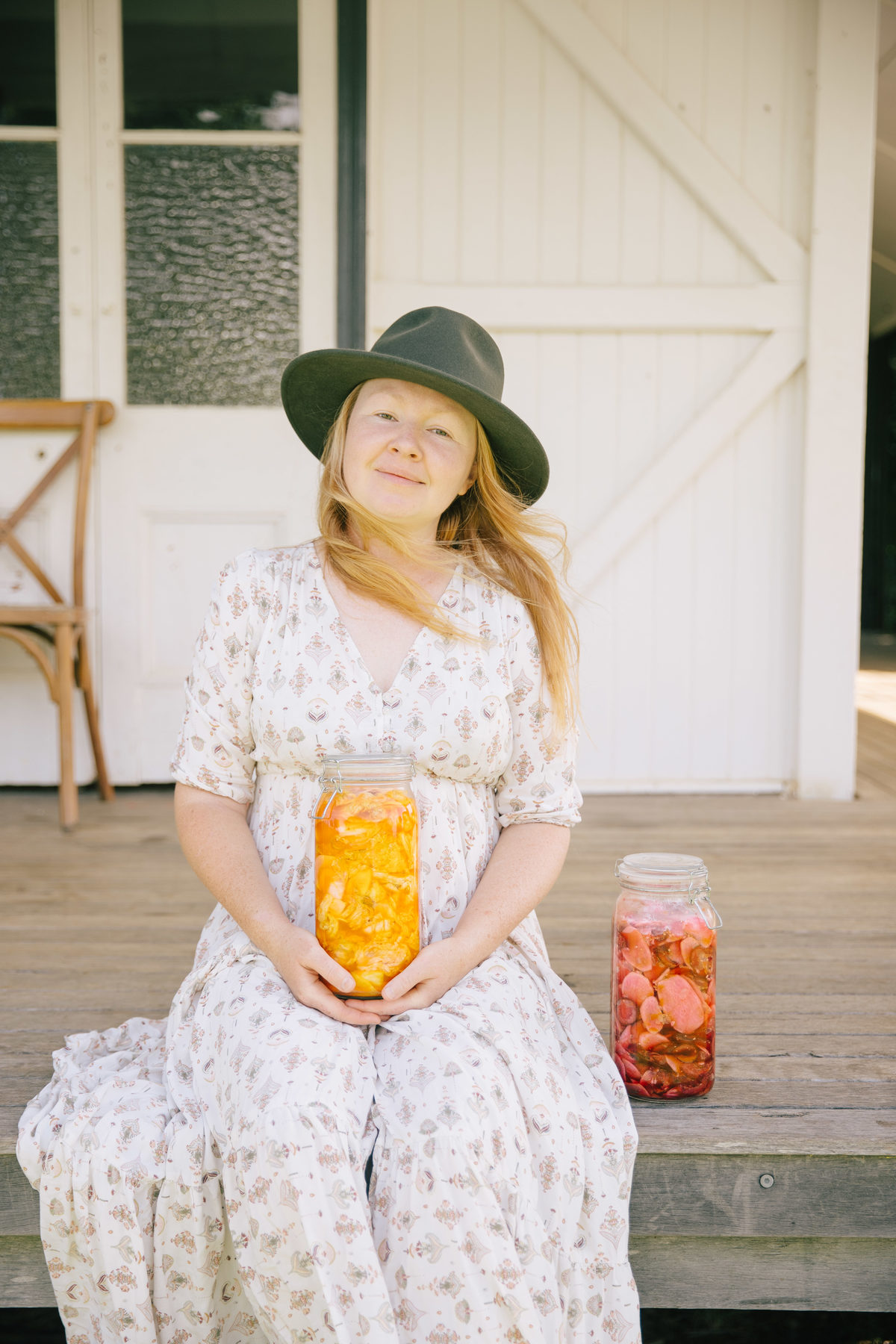
Her business is now based at The Farm in Ewingsdale, where her products are sold at the Three Blue Ducks produce store.
She describes her products, which include a seasonal vegetable mix, lemon and dill kraut, and pear and ginger kimchi, as “like salad in a jar.”
Lazareva is passionate about zero waste, making the most of every part of a vegetable.
The core of a carrot is used to make kimchi, while the peels are turned into a probiotic drink called kvass, or dehydrated and mixed with salt, sesame seeds and seaweed flakes to make seasoning. The tops are made into pesto, and the offcuts, like the tail and heads, are turned into sauce. Anything that can’t be used is thrown into the compost.
Fermenting is booming worldwide as more people become aware of its health benefits, as well as its minimal waste and long shelf life.
“A lot of people are struggling financially at the moment, so this becomes more important,” Lazareva said.
Last year, Lazareva launched an online fermentation school called All Things Cultured and will be presenting at the Kojicon fermentation
online conference on February 16, with more events in the pipeline for later in the year.
Share


Related Articles
Local health, education projects to receive multi-million-dollar injection through state budget
New ambulance stations, expanded maternity services and ongoing flood recovery…
ED and surgical activity remains high as acuity levels rise across Northern NSW hospitals
EMERGENCY departments and surgical theatres across Northern NSW Local Health…