Innovative learning in action: students turn theory into hands-on success
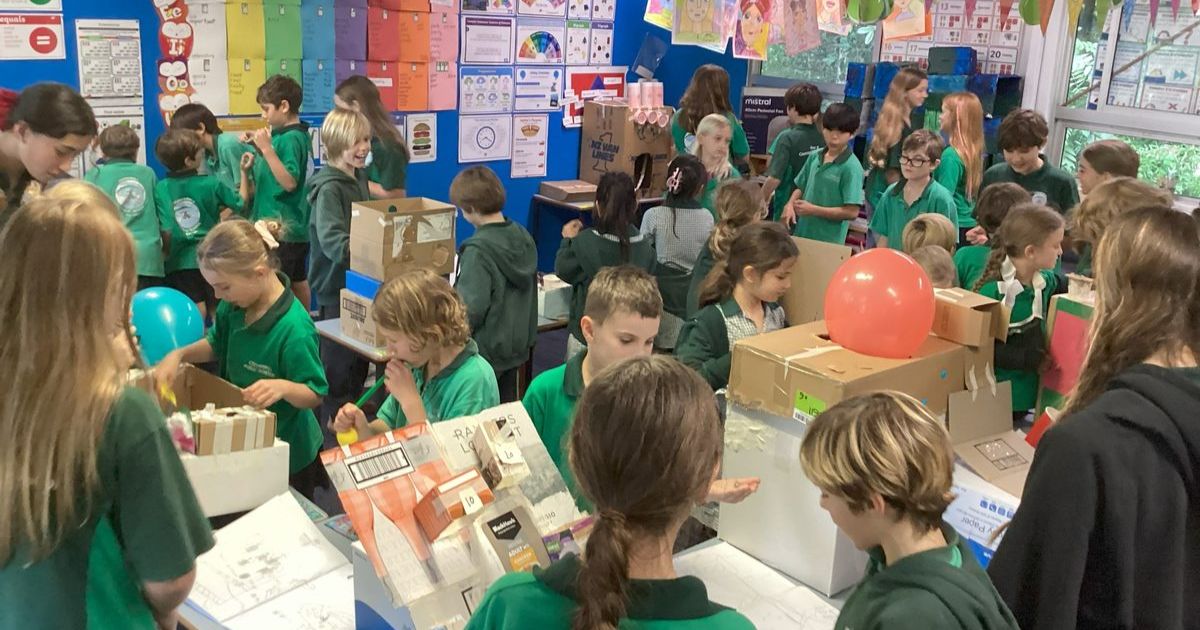
Students invited their classmates to test the arcade games and learn more about how forces work. Photos: supplied.


AT the heart of education lies the power of hands-on experiences that ignite curiosity and critical thinking.
Recently, students at Coorabell Public School, across different stages have showcased creativity and resilience through project-based learning units, deepening their understanding and building essential skills.
For Year 2, the end of a science unit on forces brought an imaginative challenge.
Students designed and constructed arcade games using recyclable materials, combining environmental awareness with scientific inquiry.
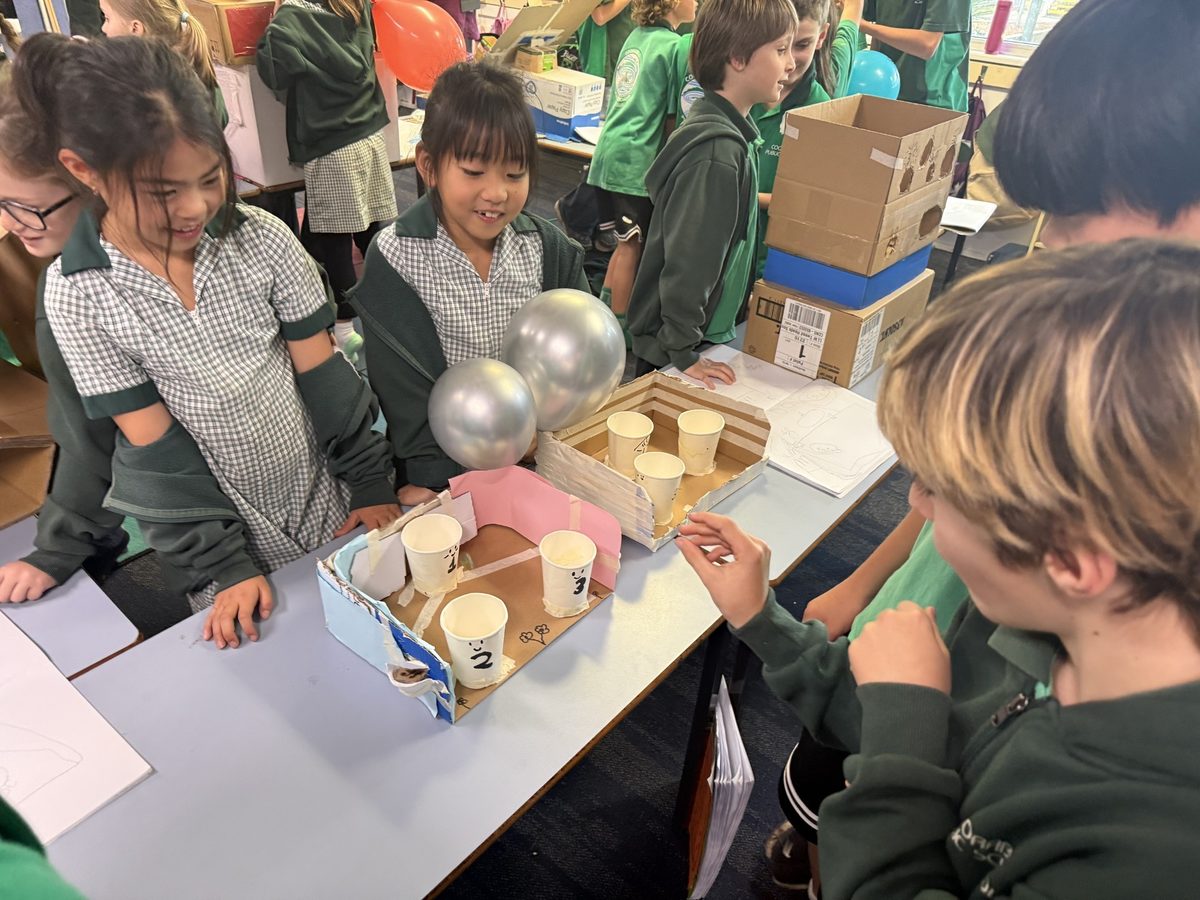
They problem-solved and persevered to make their creations safe, fun and scientific.
Inviting other classes to “roll up, roll up and play”, they turned the school into a lively arcade, confidently presenting their learning.
Our Stage 2 students advanced their scientific skills with a Project-Based Learning unit focusing on heat energy.
Investigating solar power, they designed, built and tested their own solar ovens.
Using thermometers and melting chocolate, students measured the success of each oven and refined their designs.
Through these experiments, they boosted their understanding of heat energy, improved problem-solving, and practiced creativity, experiencing the process of scientific innovation first-hand.
Meanwhile, Stage 3 students explored Australia’s colonial history through an innovative PBL unit.
Diving into historical sources, they examined diverse perspectives on colonisation, covering topics such as migration, the gold rush, and key events from our past.
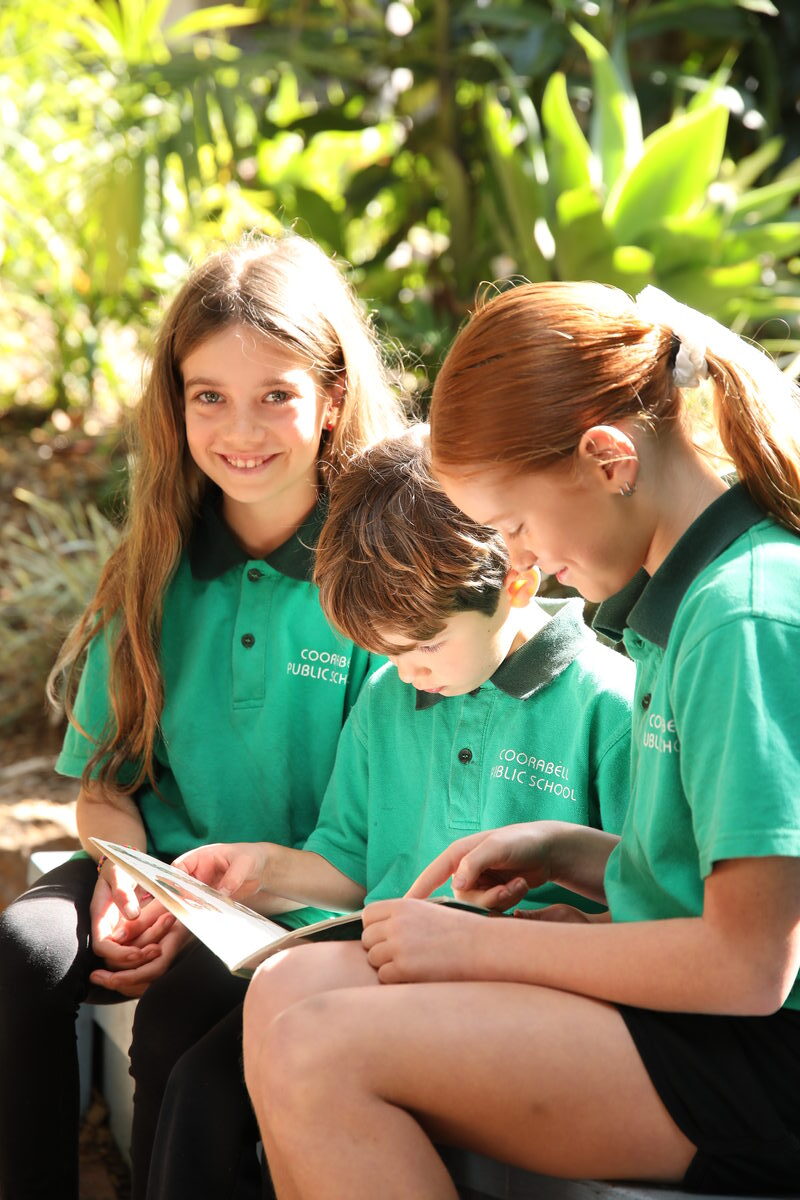
In small groups, these young historians scripted, recorded, and edited polished three-minute podcasts using Canva, answering the question: “How can I educate other people in my class about a different perspective on colonisation?”
This creative project-built research and collaboration skills while encouraging critical, thoughtful engagement with history.
These projects exemplify the NSW Department of Education’s commitment to dynamic and meaningful learning environments.
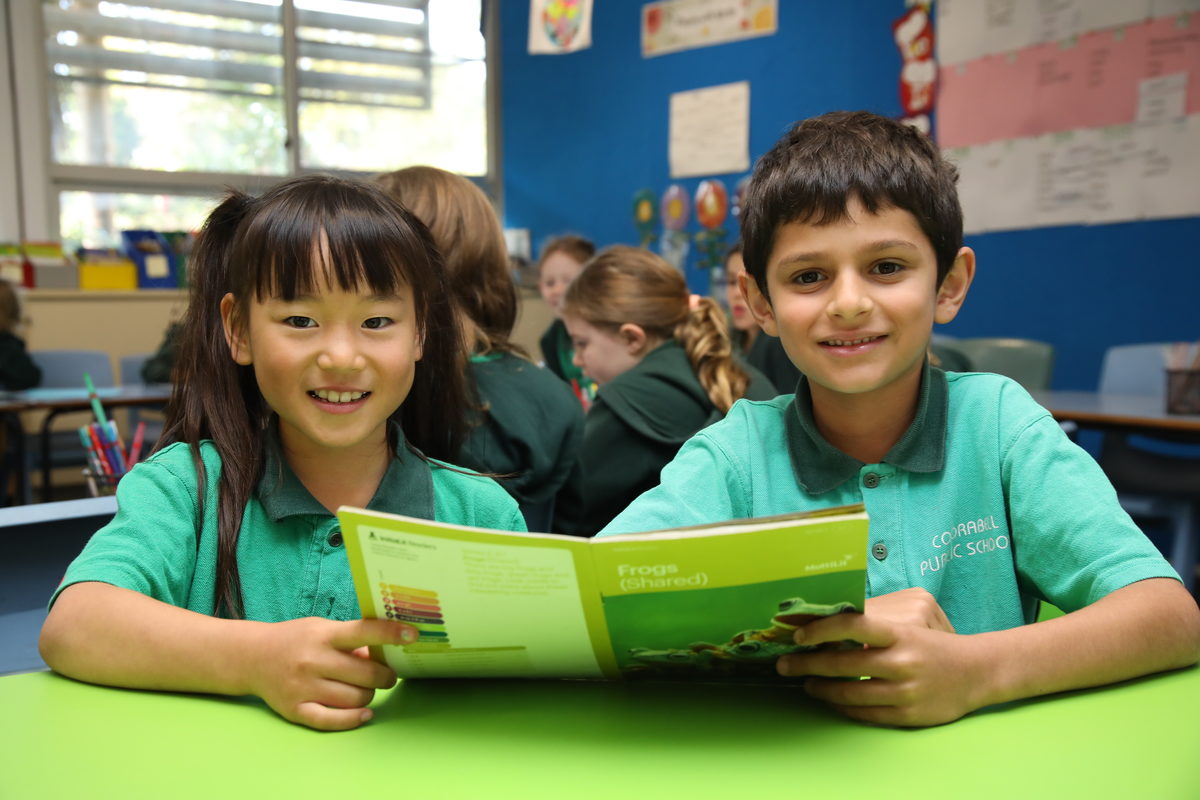
By blending creativity, collaboration and critical thinking, students not only grasp academic concepts but also develop skills that will serve them well beyond the classroom.
Such initiatives inspire both learners and educators, showing that education thrives when theory meets real-world application.
When students are empowered to explore, invent and share, learning becomes a lively and memorable journey – one that prepares our young minds for a bright and innovative future.
//SPONSORED CONTEN
Share


Related Articles
Businesses back bid to finish rail trail
LOCAL business owners are urging the community to back a…
Youth band Kitchens brings the heat to Northern Rivers music scene
INDIE rock band Kitchens is quickly making a name for…