Macadamia study finds major reduction in runoff with new farming methods
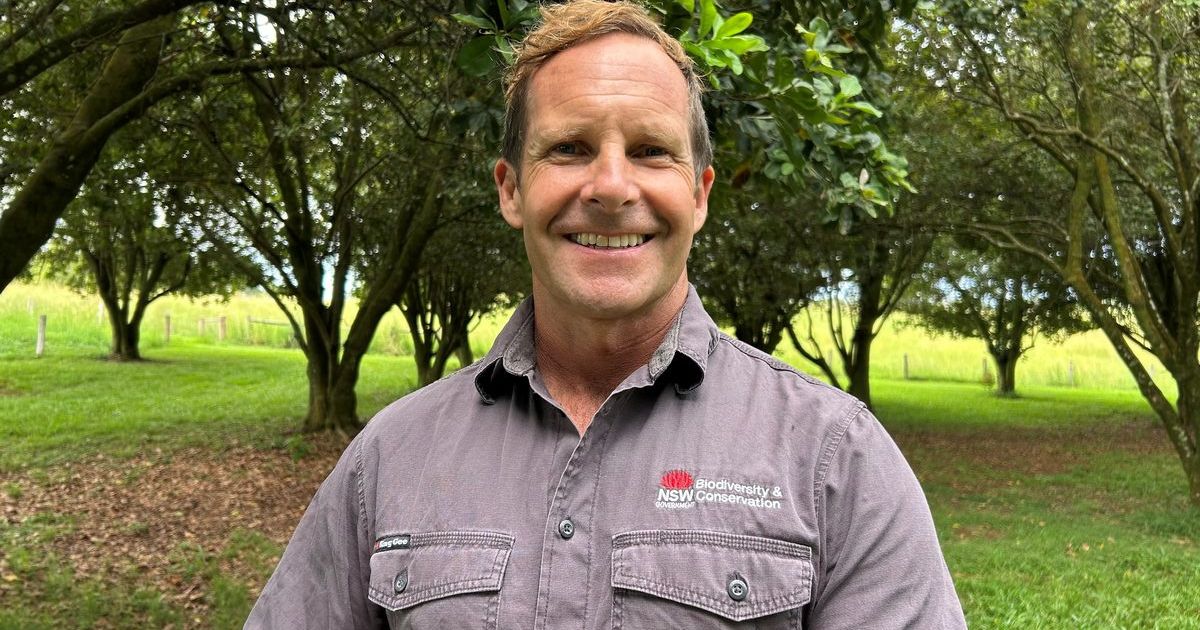
DCCEEW regional delivery division representative Ben Fitzgibbon, who says wider uptake of Integrated Orchard Management could significantly reduce sediment and nutrient runoff into NSW waterways. Photo: SUPPLIED


A NEW study has found changes to the way macadamia orchards are managed could significantly reduce soil loss and fertiliser runoff into waterways along the NSW coast.
The research shows orchards using Integrated Orchard Management recorded 95 per cent less soil loss and 70 per cent less fertiliser nutrient runoff compared with conventional practices.
The Australian-first study was commissioned by the NSW Department of Climate Change, Energy, the Environment and Water and measured the water quality impacts of macadamia farming practices.
Two side-by-side orchards were monitored, with one managed using Integrated Orchard Management techniques and the other farmed under standard methods.
Scientists found cleaner water runoff from the Integrated Orchard Management site, reducing sediment and nutrients entering creeks, rivers and coastal environments.
DCCEEW regional delivery division Ben Fitzgibbon said broader uptake of the practices could have a significant impact across the region.
“With approximately 12,000 hectares of macadamia orchards in the Richmond River Catchment, increased uptake of IOM practices could help significantly reduce the amount of sediment and nutrients entering local waterways each year,” Fitzgibbon said.
The research was conducted by Southern Cross University as part of the Clean Coastal Catchments project in collaboration with the NSW Department of Primary Industries and Regional Development and the Australian Macadamia Society.
Southern Cross University research fellow Dr Mitchell Call said the difference between the two sites was immediately visible.
“The water running off the best-practice Integrated Orchard Management block was clear, while the water from the non-IOM block was thick with sediments and contained a higher load of nutrients,” Call said.
The study found Integrated Orchard Management improved ground cover and drainage within orchards, increasing rainfall infiltration and reducing erosion.
Australian Macadamia Society industry development manager Leoni Kojetin said interest in the practices has been growing.
“Research like this highlights that healthy groundcover and good orchard design and management not only boosts productivity but also protects our environment,” Kojetin said.
The report is available through the NSW Department of Climate Change, Energy, the Environment and Water.
Share


Related Articles
Local health, education projects to receive multi-million-dollar injection through state budget
New ambulance stations, expanded maternity services and ongoing flood recovery…
Family, Country and storytelling come alive in Baabinje’s Backyard at Tweed Regional Gallery
A new exhibition exploring family, culture and connection to Country…