Meet the Northern Rivers researcher who’s spent decades tracking Yowies
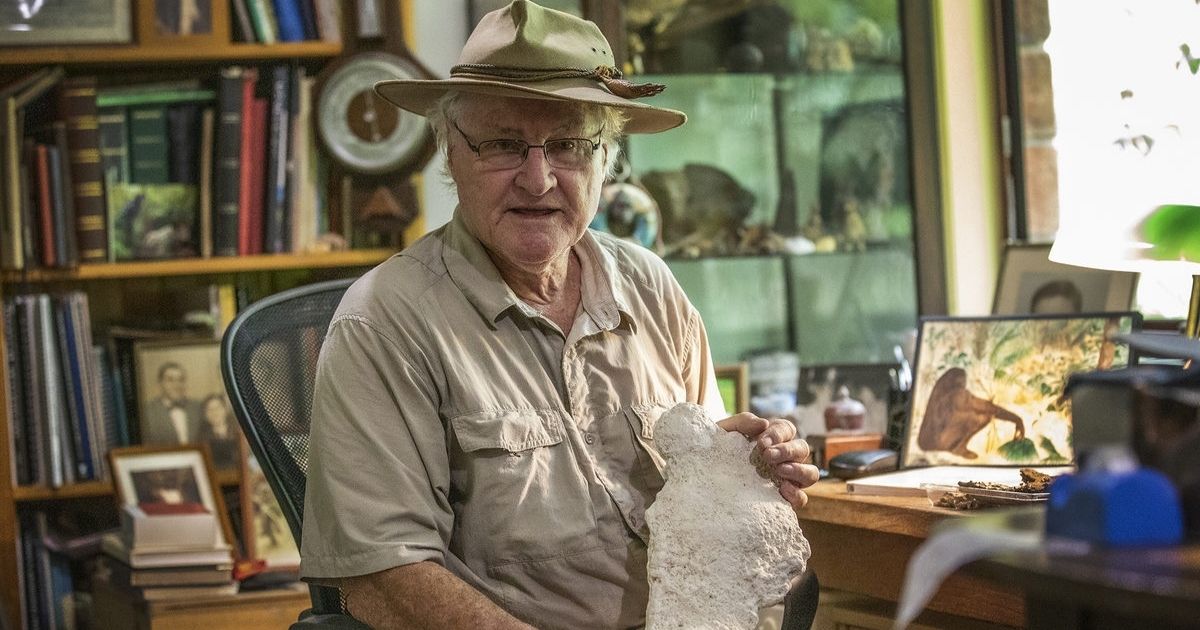
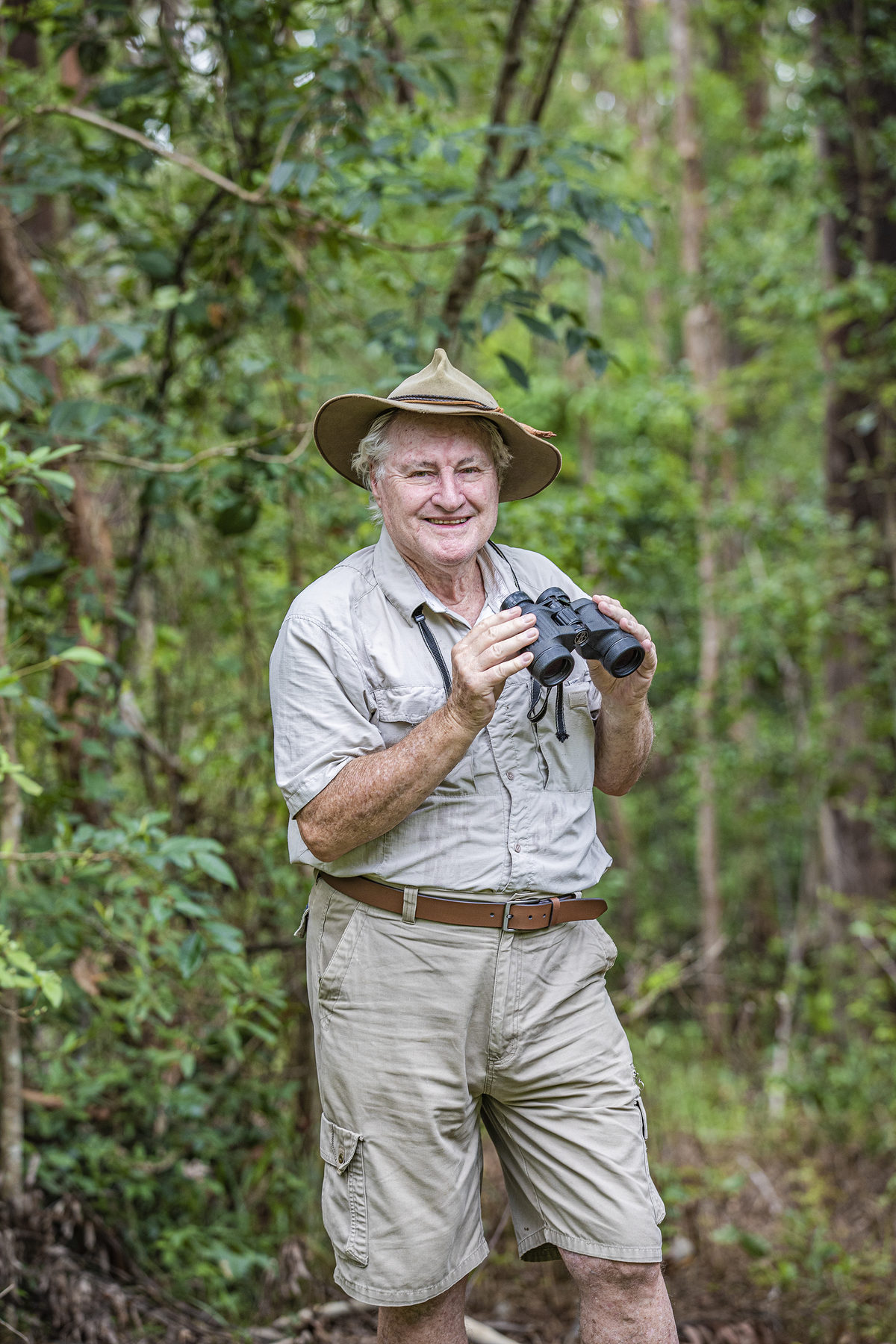
Cryptozoologist Gary Opit with a cast footprint of an unknown animal. Photo: DAVID COPE


GARY Opit was working as a ranger in Lamington National Park in the early 1970s when what he believes was a Yowie attacked his house one night, banging on the walls and destroying a large woodpile outside.
A few years later, a Yowie roared at him during the daytime in a remote forest east of Springbrook National Park.
“I heard another individual vocalising, five minutes of continuous bellowing roars, on Tamborine Mountain at night in 1978, quite unlike the bellows of a koala or of cattle and much more powerful,” he said.
These experiences inspired the Wooyung resident to become a cryptozoologist. Over the ensuing decades, he has studied and investigated animals whose existence remains unconfirmed, gathering eyewitness accounts and searching for physical evidence.
“I heard another individual vocalising, five minutes of continuous barks in groups of three between extremely unusual gurgles at Upper Main Arm in 1996 at night,” he said. “The calls were extremely powerful and unlike any known animal vocalisation and the calls did not sound like that of a person or a great ape like a chimp.”
Opit also documents reports received from listeners to his weekly radio program Wildlife Weekend on ABC North Coast, broadcast at 6.50am on Saturday mornings.
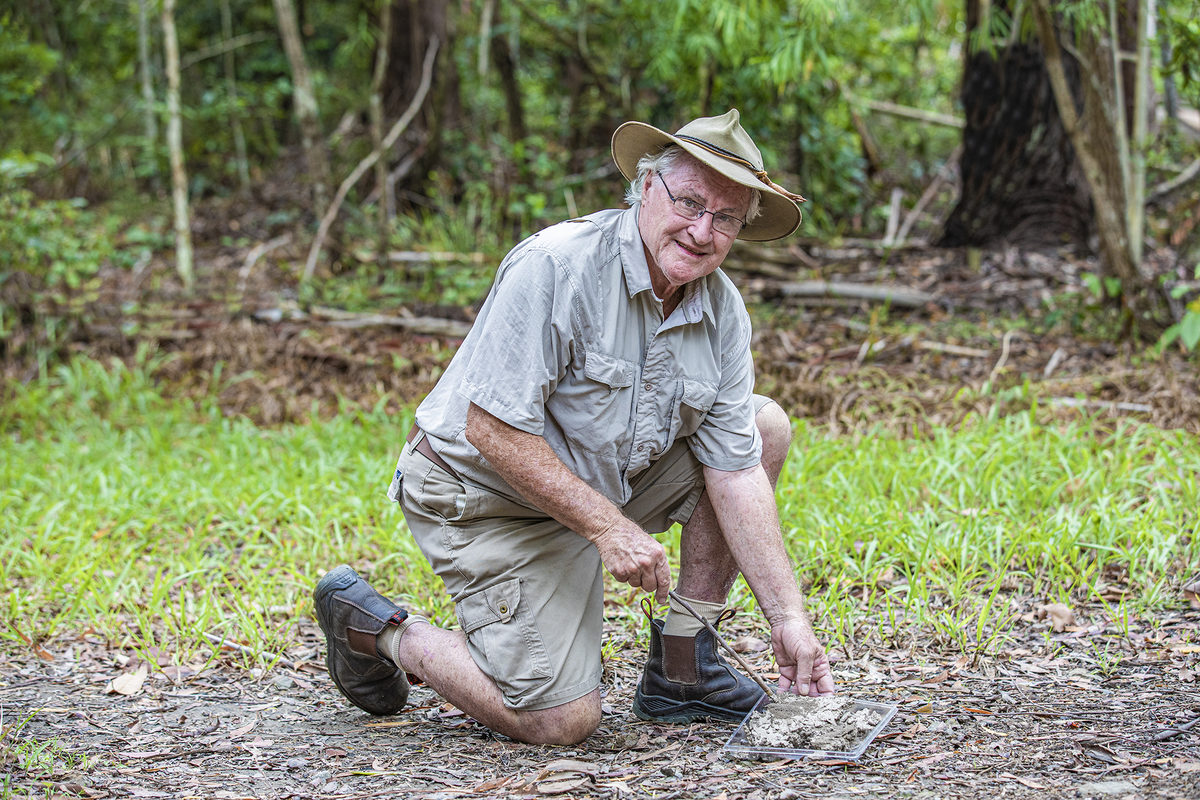
A scientific paper he authored was published in Australian Zoologist, the annual journal of the Royal Zoological Society of NSW.
“Not only did I receive detailed reports on over 300 known animal species, including endangered species, I received dozens of reports of several large mammals unknown to zoologists,” he said. “Farmers often described on air the same astounding animals and occasionally, neighbouring farmers would phone up and tell us on air that they too had encountered those same animals.”
Opit believes these creatures are megafauna that have survived in very low numbers, confined to the most rugged escarpments of rainforest-covered ranges.
“With the removal of Indigenous hunters, the control of dingoes and the protection of habitat in national parks, these unclassified marsupials have slowly increased their numbers and so are very occasionally encountered and described, though only to someone like me who takes the stories seriously,” he said.
Born in Sydney, Opit studied environmental science at Griffith University. He has taught biology and anthropology at university, TAFE and high school levels, and has spent decades conducting flora and fauna surveys and ecological assessments
for local councils, state government departments and private property owners.
He believes five large unclassified marsupial species exist in the Northern Rivers, moving through national parks, state forests, forested private properties and the edges of towns.
“I have had close views of three species on extremely rare occasions while working in bushland undertaking fauna surveys,” he said. “All five species have been reported to me on many occasions on my radio show or privately contacting me, usually by farmers, but also by zoologists, national park rangers and bush regenerators.
“They often tell me that they laughed when their neighbours told them about encountering a strange large animal and that now others laugh at them if they mention encountering these same strange animals.”
Opit said the most commonly encountered species is the thylacine, or mainland marsupial wolf or tiger, with around 100 reports dating back to the 1960s.
“Thylacoleo or marsupial lion-like animals are also often encountered,” he said.
He said three species resembling marsupial apes have long been known to Bundjalung and other First Nations people under different names, with researchers holding various theories as to their identity.
“None of these species are known to the general public or scientists as no bodies have ever been obtained, due to their extreme rarity, mostly living their lives in inaccessible mountainous escarpments, and their extreme shyness, usually moving away from people before they are observed,” he said. “I have not formed an opinion as to what the Yowie actually is until we have DNA evidence.”
Opit’s book Australian Cryptozoology is available as an eBook on Amazon.com. He is currently seeking a publisher for his latest work, Shocking Encounters in the Australian Bush.
He will present his findings between performances at The Echo Locator’s live music series, summer ‘Yowie’ edition, at Lismore Quadrangle on Saturday 24 January.
For more information visit lismore.nsw.gov.au/Community/Community-events-and-venue-hire/Whats-on/Echo-Locator-Summer-Yowie-edition
Share


Related Articles
Local health, education projects to receive multi-million-dollar injection through state budget
New ambulance stations, expanded maternity services and ongoing flood recovery…
ED and surgical activity remains high as acuity levels rise across Northern NSW hospitals
EMERGENCY departments and surgical theatres across Northern NSW Local Health…