Neverland author reveals Byron Bay’s untold music history in new book
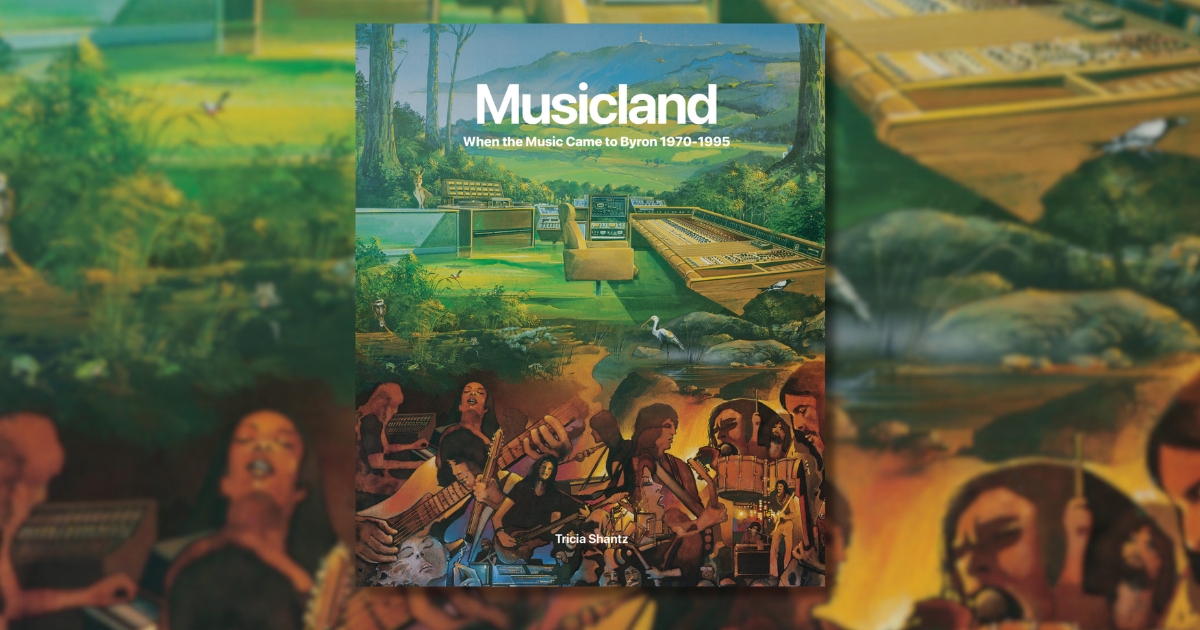
Tricia Shantz's new book Musicland. Photo: Surf Research


SHE chronicled the arrival of American and Australian surfers in Byron Bay in her previous book Neverland, and now social historian Tricia Shantz has turned her attention to the way music has shaped the town.
Featuring around 80 interviews with various movers and shakers in the industry, the soon-to-be-released hardcover Musicland covers the period from 1970 to 1995.
It picks up where Neverland left off, including the arrival of American surfer-musician Dan Doeppel, who bought the old Norco Piggery in 1974 with a dream of building the Arts Factory live music hub. He later went on to co-found the East Coast Blues Festival, which became Bluesfest in 1990.
Melburnian musician Garry Deutsher, who purchased land in Coorabell in the mid-1970s and went on to build the Music Farm recording studios, also features prominently.
“I wanted these early stories to be documented as part of the cultural history of this area,” Shantz said. “I think it’s important because it’s not been documented, and I believe it’s important to know where a place has come from to where it is now.
“When I started this book Bluesfest and Splendour still existed. I was wanting to tell the story of how we got to where we did having major, world-renowned music festivals in Byron Bay. Now, it seems we might be going back to smaller music events like the Mullum Roots Festival, which is on in July.”
Shantz said it wasn’t just the musicians who came to the region at that time who influenced the local music scene, but also major promoters in the Australian music industry.
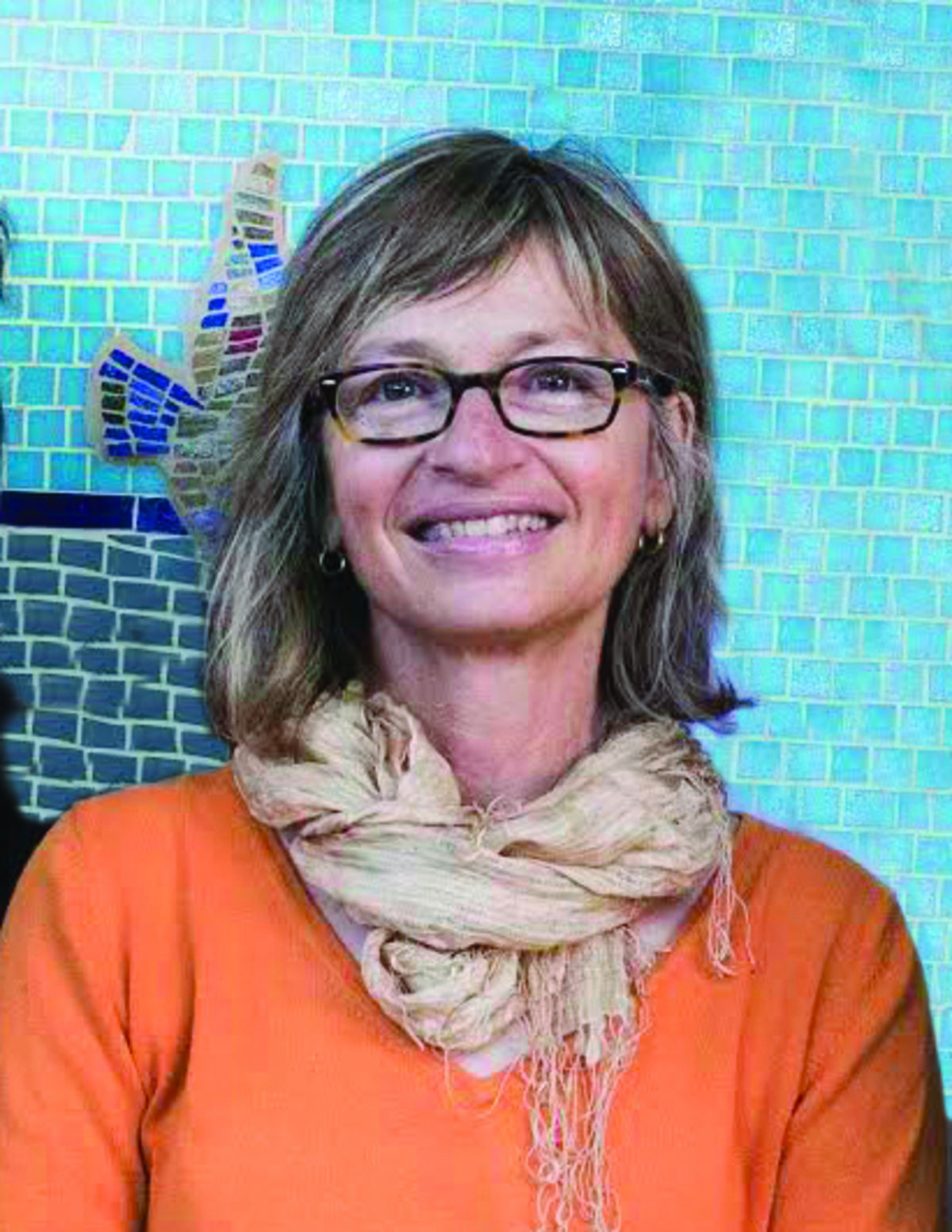
“Michael Chugg, Glenn Wheatley and Michael Gudinski had a hand in it, as did the biggest names in music production,” she said. “Every well-known band of that era recorded at Music Farm and then many of them played at various venues and the Arts Factory: Cold Chisel, The Angels, Midnight Oil, Mondo Rock, Mental As Anything, Redgum, Goanna, Richard Clapton. For a regional area in Australia this was significant and was a catalyst for the musical and cultural growth in the region.”
Midnight Oil drummer Rob Hirst was Shantz’s first interview, as the band recorded their EP Bird Noises at Music Farm in 1978. He later connected her with other well-known musicians whose bands also recorded there.
Shantz said she chose to cover the period up to 1995 to include the evolution of major outdoor music events such as Splendour in the Grass and the fight against a proposed dam that would have inundated the Coorabell, Federal and Goonengerry valley, including the swimming waterhole and rainforest remnant on the Music Farm property.
“The book Fern Gully and subsequent animated film of the same name was written by Diana Young at Music Farm about Music Farm,” she said. “It is the fictional story of the rainforest being destroyed. We won that environmental battle with the help of Olivia Newton-John, Yothu Yindi and actor Jack Thompson through Wayne Young. Olivia recorded her Gaia album at Music Farm in 1993 and 94. One of the tracks on the album is ‘Don’t Cut Me Down’, which is referring to the rainforest on the Music Farm land.”
Prior to writing Musicland, Shantz spent a year researching and interviewing people about the history of development and activism on the Byron Shire coast, and she now plans to continue that work in a future project.
“People don’t realise how much pressure this coast has been under since the 1960s and the people who worked hard to push back on some of the wilder proposals,” she said. “Without them Byron Shire would be a very different place to what it is.”
Shantz is set to speak at the Byron Writers Festival, which runs from 14–16 August.
Musicland is now available for pre-order. Email [email protected]
Share


Related Articles
Graffiti attack leaves business owner facing $20,000 bill
A Tweed business owner says she is facing a $20,000…
Bundjalung artist Bronwyn Bancroft to share her story at Small SHIFT I Will Survive fundraiser in Byron Bay
SHE was recently named winner of the Red Ochre Award…