Local author planned a simple motherhood memoir – then realised she had to tell the whole truth
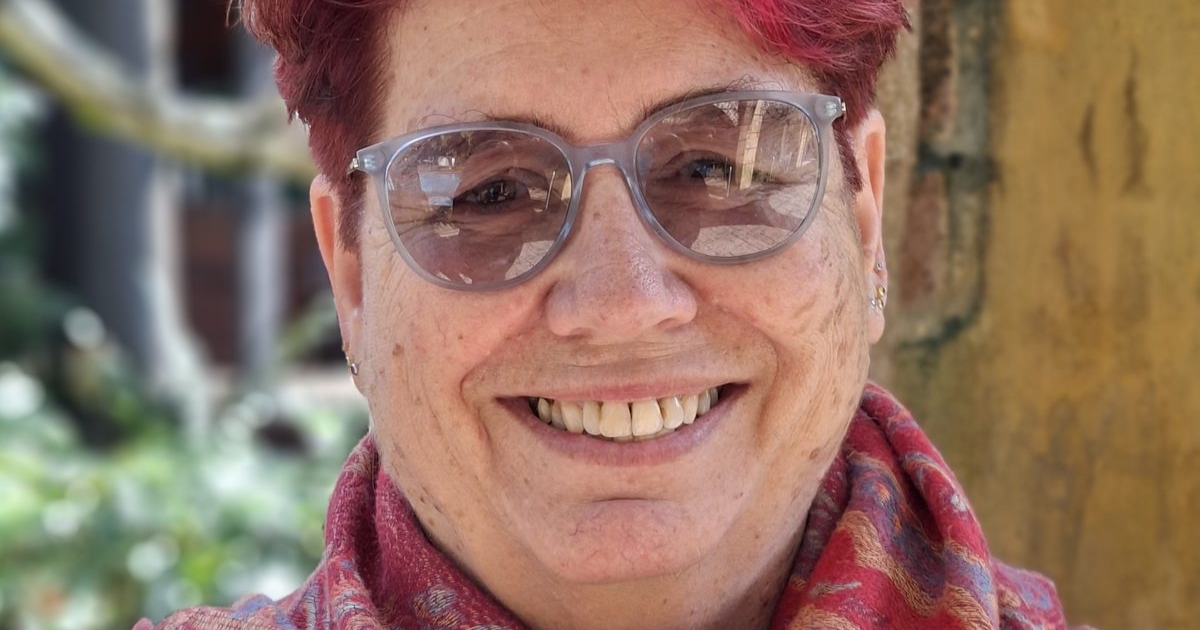
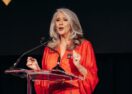
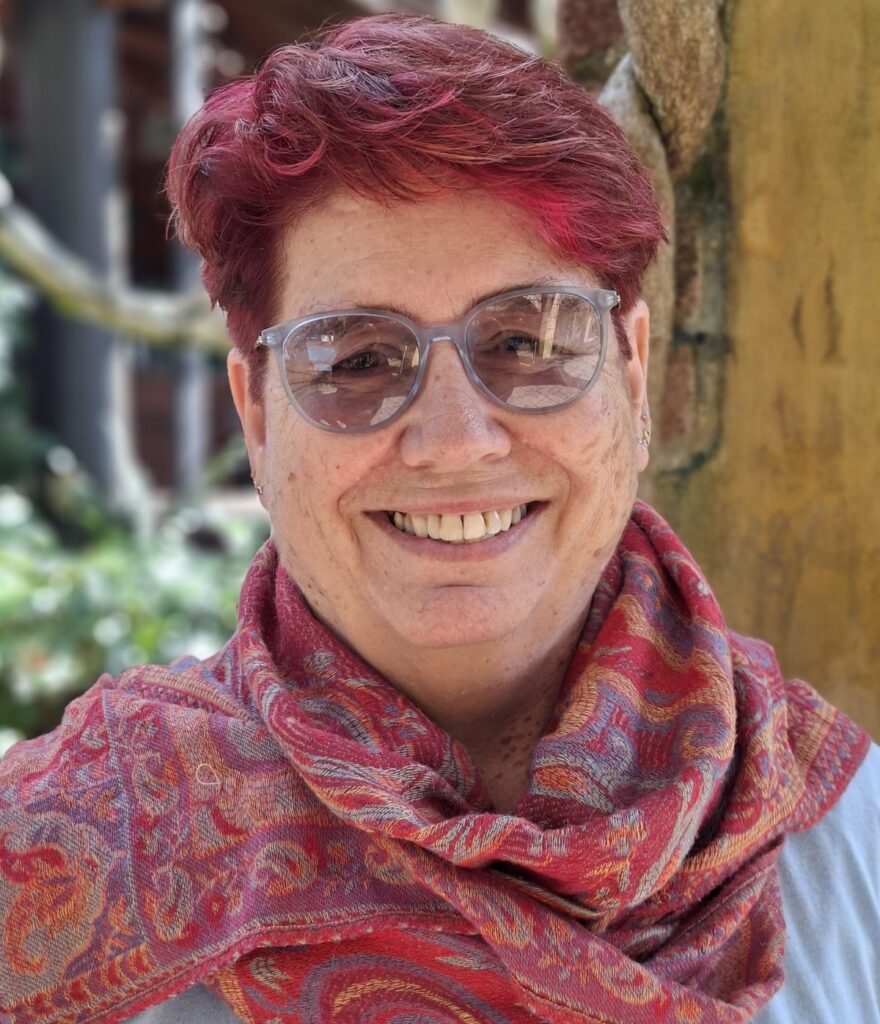
Author Maggie Walters. Photo: Blue Gum Publishing


WHEN Maggie Walters began writing her latest book, she envisioned it as a sweet story celebrating her love for her three adopted children from the Philippines, deliberately leaving out her own mental health struggles.
But as the writing progressed, she realised she was denying an essential part of herself. So, she returned to the manuscript and wove in her exploration of intergenerational trauma.
In her previous book, Split, the Lismore-based author detailed her diagnosis of Dissociative Identity Disorder (DID), formerly known as Multiple Personality Disorder, in her 20s. Through that journey, she came to understand that her mind had created different parts, or “alters”, to help her survive severe childhood trauma.
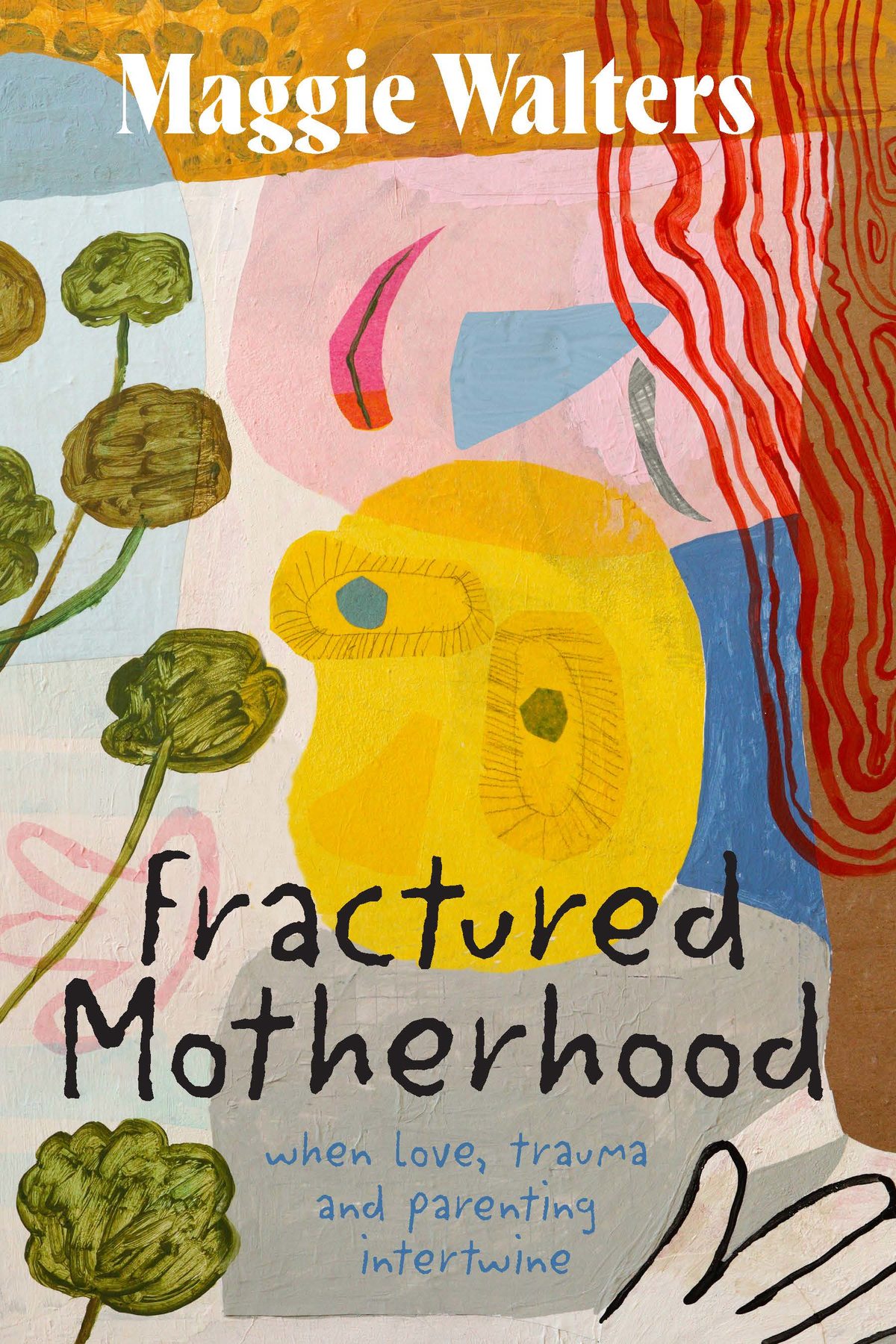
“Fractured Motherhood is about me coming to terms with who my mother was in relation to the abuse I experienced in my life,” she said. “As I faced my own desire to be a mother, I questioned if I would pass this intergenerational trauma on to my own kids, so my exploration of who she was and our relationship helped me to understand her, helping me to look forward, in a positive and healthy way, in my relationship with my own children.”
Walters was born in Texas and immigrated to the United Kingdom with her family at the age of three. She married her Australian husband in 1996 and moved to the Blue Mountains before relocating to the Northern Rivers to be closer to his parents in 2011.
She said one of her goals in her writing was to give a voice to people living with complex trauma.
“It is important for people to start understanding, and leading psychiatrists here in Australia and around the world agree, that DID is not a psychosis, it is a creative coping mechanism,” she said. “In the foreword for Split Dr George Blair-West, who is a well-known dissociative and trauma expert in Australia, said that DID is a creative coping mechanism for enduring some of the most horrific trauma that a child can endure. It is creative and something to be appreciated, not judged.”
Walters said the media often gravitates toward the sensational when portraying people living with DID, frequently depicting alters as villains, murderers or socially unacceptable alter egos.
“I have yet to see a show that has actually done an accurate job of portraying DID and I get it – it’s not something that is easy for a neurotypical person to understand, but media will try anyway,” she said. “Many people with DID, like myself, are high functioning, which means that unless we choose to share our diagnosis with you, you would never know we were multiple. That is the purpose of dissociation, it’s about hiding our real selves and is a protection mechanism.”
Maggie Walters will be in conversation at Byron Library at 3pm on Thursday 28 May. To register, visit https://rtrl.spydus.com/cgi-bin/spydus.exe/MSGTRN/OPAC/HOME
Share


Related Articles
Local health, education projects to receive multi-million-dollar injection through state budget
New ambulance stations, expanded maternity services and ongoing flood recovery…
ED and surgical activity remains high as acuity levels rise across Northern NSW hospitals
EMERGENCY departments and surgical theatres across Northern NSW Local Health…