Standoff over Bangalow Bowlo as Norths rejects community buyback plan
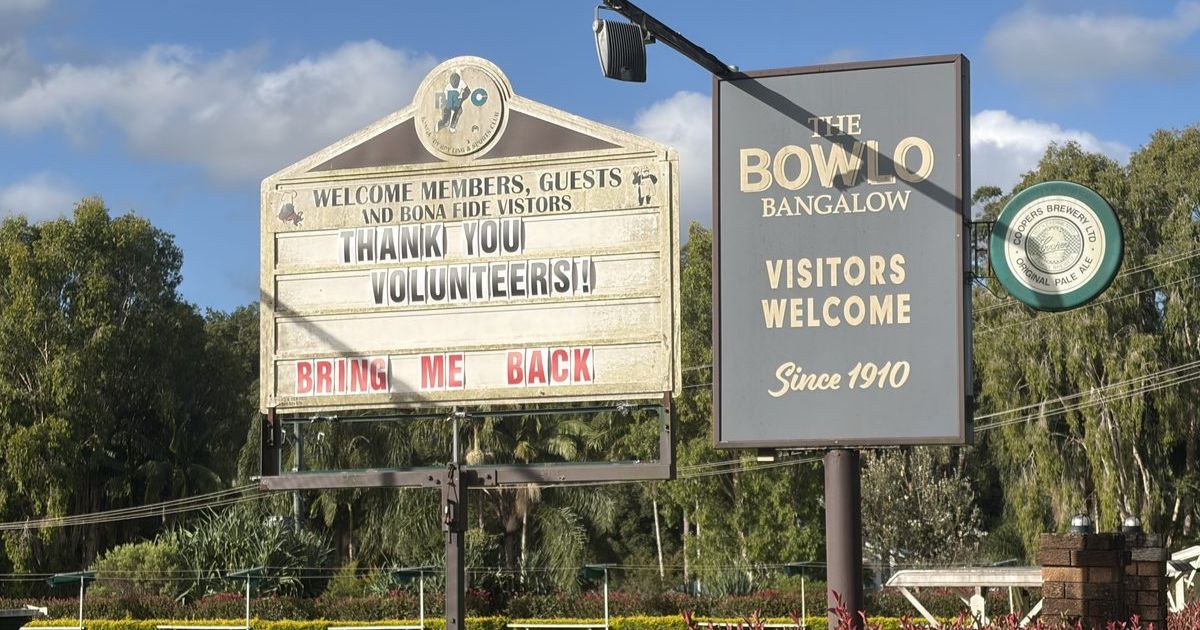
The Bowlo in Bangalow has been closed since October. Photo: ANGELA SAURINE


NORTHS Collective has rejected a community proposal to buy back The Bowlo in Bangalow for the same price it paid to rescue the club when the two entities amalgamated in 2022.
The Bangalow Bowlo Advisory Committee formally offered $680,000 – the amount understood to have been paid by the Sydney-based organisation during the amalgamation.
But the proposal was declined, with Norths indicating it would only consider a sale at a price of $2 million.
Save Bangalow Bowlo spokeswoman Sally Schofield said the buyback proposal reflected the preferred option identified in a community stakeholder survey conducted in January.
“There is a widely held view in the community that any repurchase price should align with that original stabilisation amount, rather than extend beyond it,” she said.
Following the rejection, the advisory committee has resumed negotiations with Norths on the community’s second-preferred pathway. This option would see legal title to The Bowlo transferred back to a Bangalow-based registered club entity, while Norths would retain a no-repayment 25-year mortgage over the property.
The terms of this model had not been finalised at the time of the community survey. The committee is now working to clarify the structure, conditions and safeguards associated with the proposal.
If agreement is reached, a formal de-amalgamation process would be required to transfer the property, licences and other operational requirements back to a registered Bangalow club entity.
Norths amalgamated with the club in 2022 but closed the venue with little warning in October, citing the poor condition of the clubhouse, ongoing financial losses and what it described as an unsustainable trading outlook.
Meanwhile, Byron Shire Council is preparing a planning proposal to amend the Local Environmental Plan to include Bangalow Bowling Club – which opened in 1910 – on the heritage register, in a move designed to protect the site from potential redevelopment.
If heritage listed, the property’s owner would be legally required to conserve and maintain its heritage values. This includes ensuring the building remains structurally sound and weatherproof, addressing significant deterioration and preventing vandalism or water damage.
Share


Related Articles
ED and surgical activity remains high as acuity levels rise across Northern NSW hospitals
EMERGENCY departments and surgical theatres across Northern NSW Local Health…
Australia Post opens Community Grant applications to boost mental health and community resilience
COMMUNITY organisations across New South Wales are being encouraged to…