The mould mistake Northern Rivers homeowners keep making
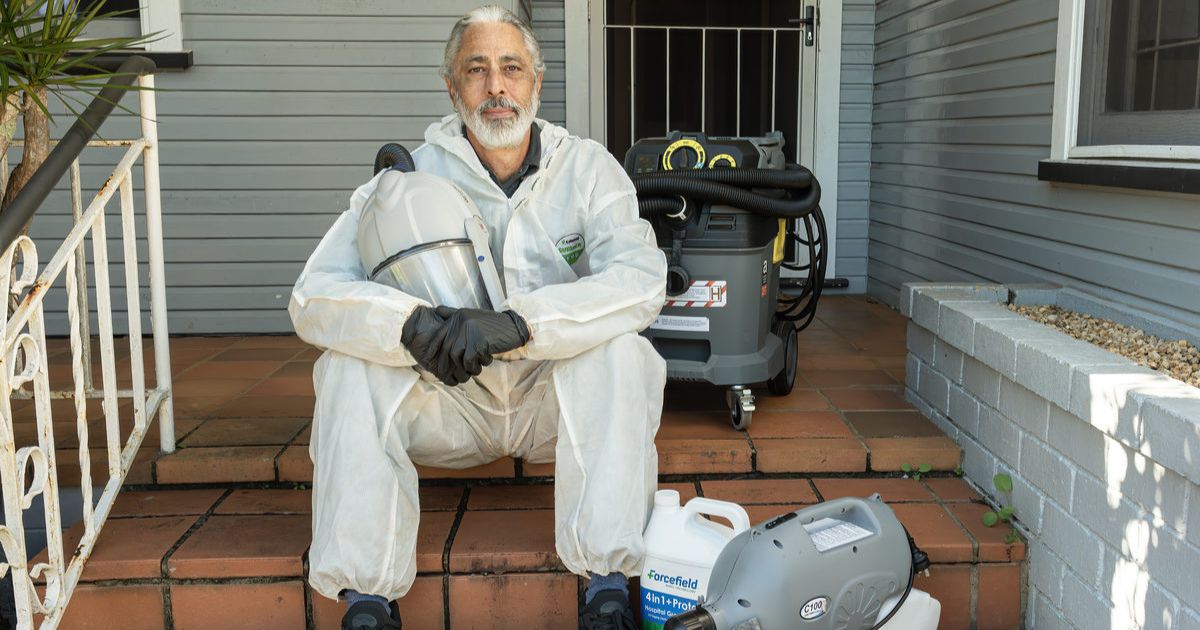
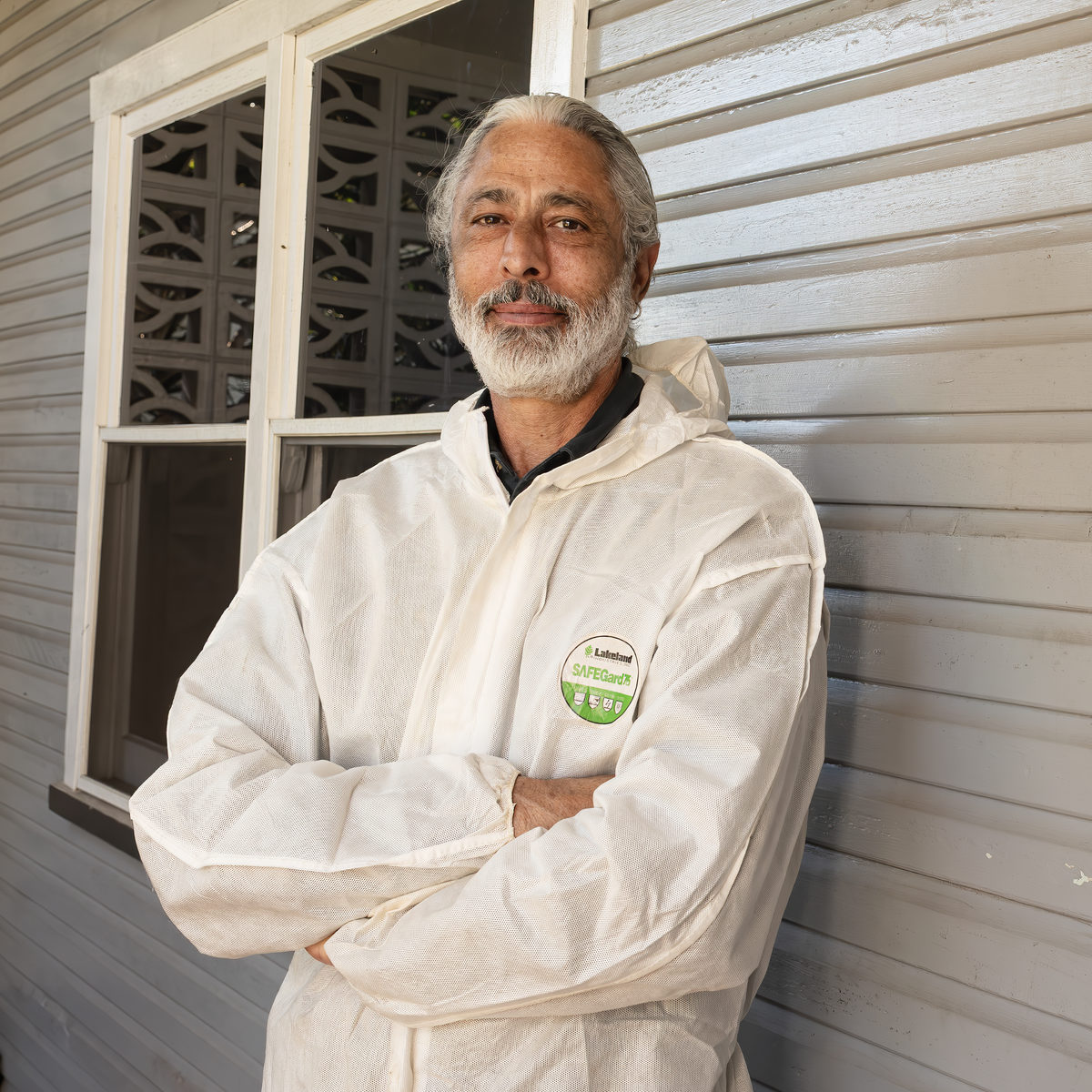
Adam Wijeyekoon, proprietor of Adam The Mould Guy. Photo: Lyn McCarthy.


IN the Northern Rivers, where flooding and humidity are part of life, mould is more than an inconvenience. It is a recurring environmental and public health challenge.
For Adam Wijeyekoon, proprietor of Adam The Mould Guy, that reality became the foundation of his business.
What began as voluntary disaster response work during the 2017 floods has evolved into a specialist mould remediation service shaped by flood events, growing community need and increasing awareness of the health impacts associated with mould exposure.
Wijeyekoon said his entry into the field came directly from the scale of destruction he witnessed during the 2017 floods.
“My business literally grew out of the 2017 floods,” he said.
“I started out voluntarily disinfecting flood-affected homes with a simple backpack pressure sprayer.
“Shortly afterwards, I trained with a mould remediation company, and it snowballed from there.
“There weren’t any other mould specialists in the area until the 2022 floods hit so I had a steep learning curve in that time.”
In the Northern Rivers, mould growth is an ongoing environmental condition, which Wijeyekoon says is largely driven by humidity and warm temperatures.
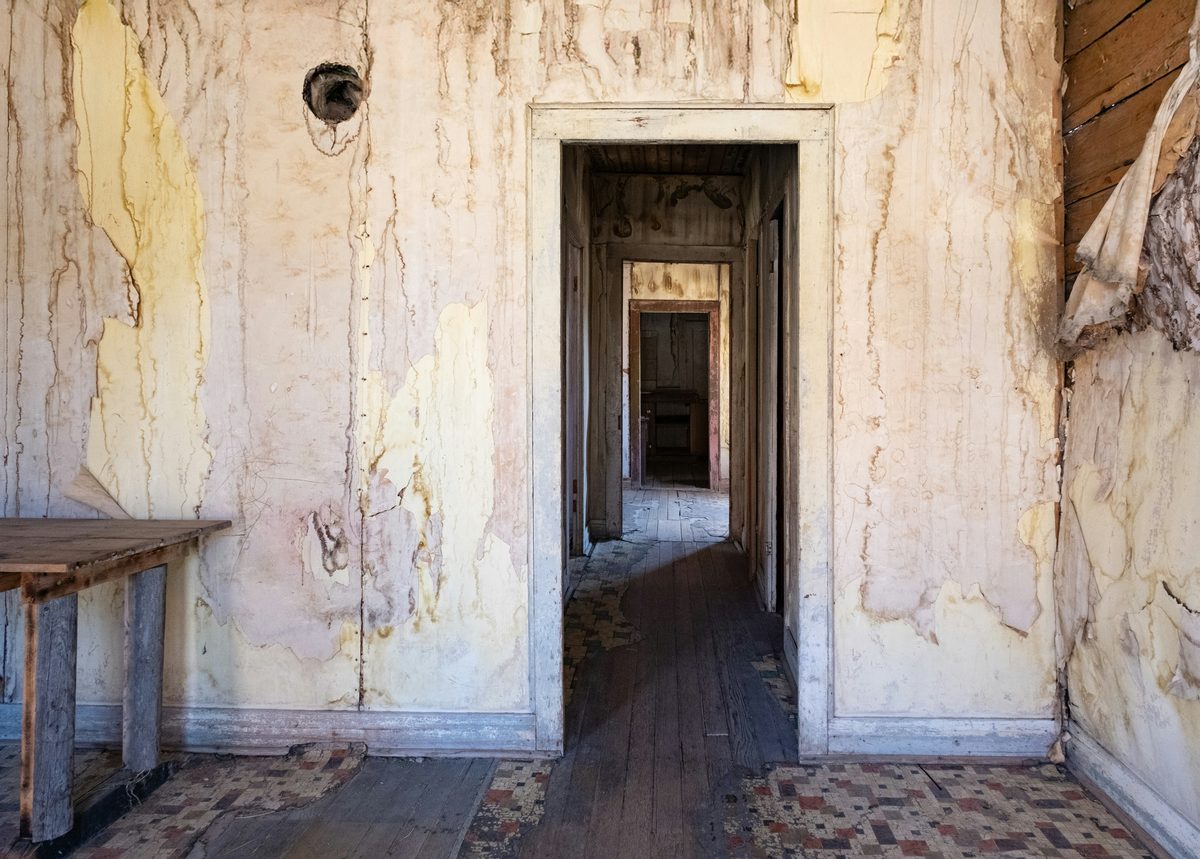
“The Northern Rivers, like most subtropical environments, are the perfect environment for mould growth,” he said.
“Fungus, mould, moss and lichen thrive in elevated humidity with relatively stable and warmer temperatures, which is what we have in abundance.”
Following both the 2017 and 2022 floods, Wijeyekoon said he encountered a wide range of conditions inside homes and businesses, highlighting how differently mould can behave depending on drying time, materials and water exposure.
“Mould conditions inside flood-affected properties varied immensely from place to place, mostly depending on how long it was submerged and how quickly it dried out afterwards,” he said.
“I’ve seen everything from light, patchy mould right through to centimetres-thick, hairy-looking mould covering all surfaces in houses and commercial premises.”
Beyond visible damage, Wijeyekoon said one of the most significant issues is the health impact of mould exposure, something that can affect both residents and workers in remediation environments.
“After almost 10 years in the business, I’ve become aware of when a client may be suffering from mould-induced sickness and direct them to see a specialist health physician,” he said.
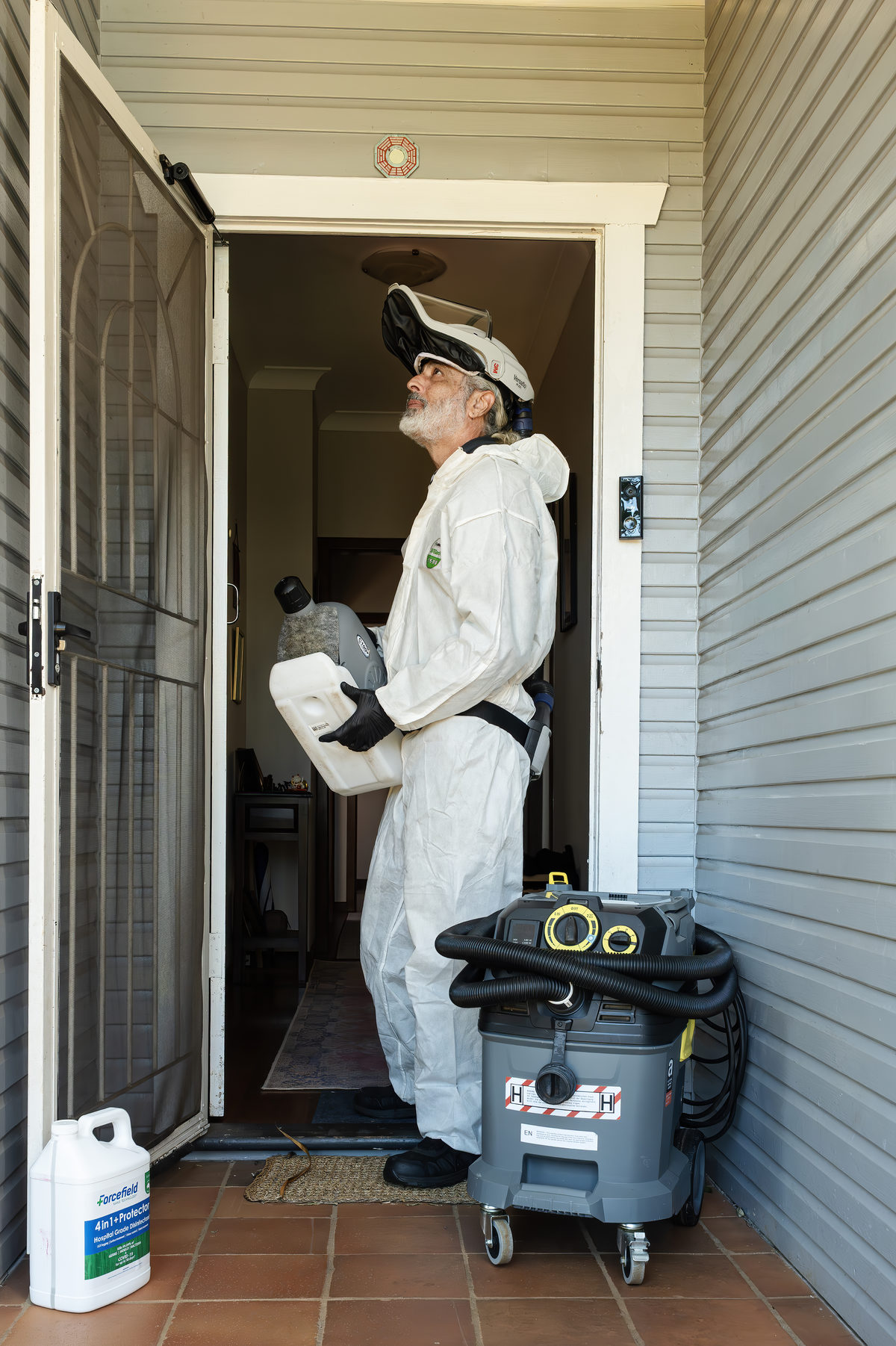
“Also, being frequently exposed to mould in varying levels, even with the use of PPE, I’ve felt the effects mould can have. It can really knock you around.”
During the aftermath of major floods, Wijeyekoon spent significant time working voluntarily, something he said was driven by the emotional toll on affected residents.
“Seeing everyone’s possessions coated in muck, in piles out on the street,” he said.
“And the utter disbelief, desperation, and the confusion about where to start, I just wanted to help however I could.”
While awareness of mould has grown following recent flood events, Wijeyekoon said there is still a significant gap in public understanding of its risks and proper treatment in Australia.
He said many people underestimate mould or attempt to deal with it using treatments that are not appropriate for the situation.
One of the biggest challenges in the industry, he said, is misinformation about how mould should be treated.
“Just throw some bleach on it, or wipe it down with vinegar or clove oil, have to be at the top of that list,” he said.
“These products can work but only in specific situations.
“In most cases, you’re either just mowing weeds and it’ll be back with a vengeance in no time, or you could actually be making the situation worse.”
He said these products poison mould but do not necessarily eliminate the underlying problem, allowing spores to continue spreading.
“I’ve had many calls over the years where people have said, ‘I’ve been cleaning mould all day and now I feel sick, can you help?'” he said.
Despite the confronting nature of the job, Wijeyekoon said the outcomes keep him committed to his work.
“The best part of the job is when people tell me how fresh and clean their home or business feels, or when people suffering from mould-related symptoms tell me they feel better after remediation,” he said.
More information at adamthemouldguy.com.au
Share


Related Articles
Press Council celebrates 50 years
The Australian Press Council is marking its 50th anniversary by…
Director brings personal history to Anne Frank play
DIRECTOR John Rado believes audiences need The Diary of Anne…