Young filmmaker tested body for plastic – the results shocked him

The Plastic Country director Kal Glanznig. Photo: Supplied


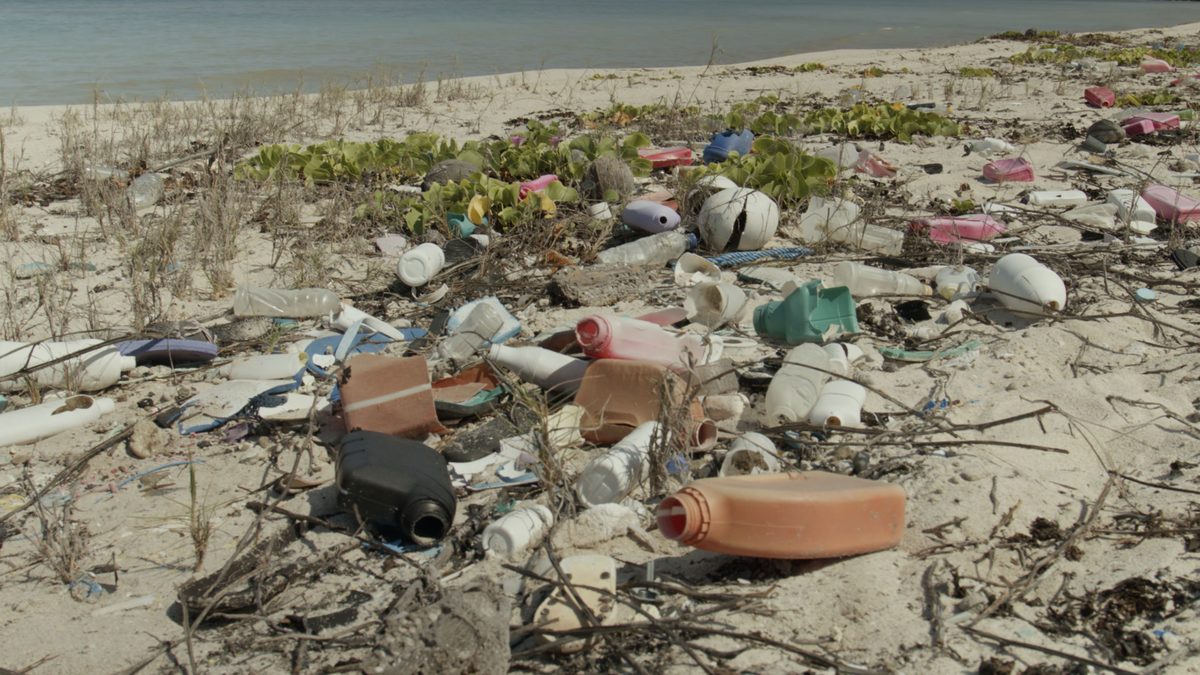
LIKE many young people, Kal Glanznig found himself becoming increasingly concerned about what microplastics might be doing to the human body. The 25-year-old was shocked to learn that Australia is the second-highest generator of single-use plastic waste per person in the world.
That discovery set him on a journey around the country to better understand how Australia has become what he calls a “plastic country” – and to explore the impacts this is having on both the environment and human health.
What he has uncovered over the past two years while researching his first feature documentary, The Plastic Country, has been extremely unsettling.
“We filmed at Taronga Wildlife Hospital in Sydney and they’re getting so many turtles on their deathbed because they have ingested plastic,” he said. “It’s such a big problem. At Tower Beach in Sydney we found bottle caps from the 2000 Sydney Olympics. One of the Indigenous rangers said that plastic is like middens. It’s really interesting when you view it from that perspective. First Nations people have been looking after the land for 60,000 years and plastic is going to be this layer in our sand and on our land, and future generations will look back and think, ‘why did this happen?’.”
As part of his investigation, Glanznig also had his urine tested to assess the presence of chemical exposure.
“As a young guy who wants to have a family one day, I was pretty shocked that I had high levels of phthalates, which have been linked to fertility issues,” he said. “One of the doctors interviewed in the film says what we are doing to our bodies with plastic is a really massive experiment on the human population. Australians are very exposed to these risks.”
According to research by WWF Australia, Australians consume approximately 147kg of plastic per person annually, with only around 19 per cent being recycled. Singapore is the only country in the world that produces more plastic per person.
“They have different systems for managing their waste, but a lot of plastic we consume goes out into the ocean through our stormwater systems,” Glanznig said.
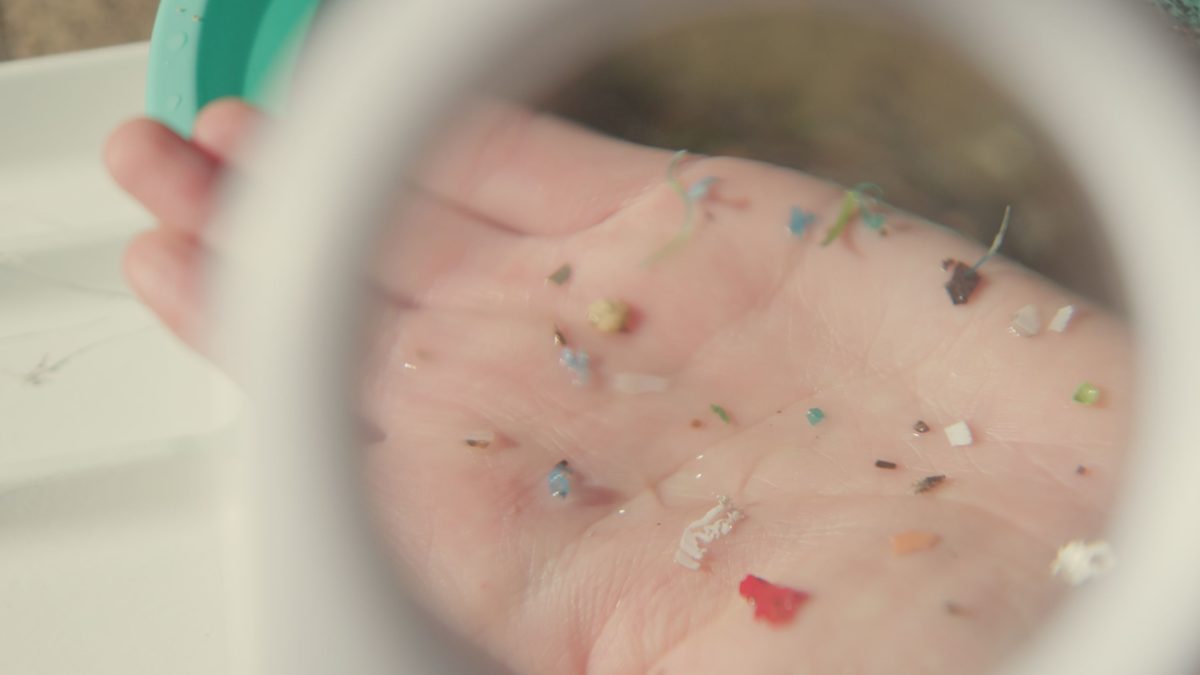
Despite the confronting nature of his findings, he hopes the issue will eventually be treated with the same seriousness as other harmful materials such as asbestos.
“While the film is quite confronting, it does have a hopeful tone and showcases solutions,” he said.
The Plastic Country will screen at the Bangalow Film Festival at 1pm on Sunday 14 June, followed by a Q&A with Glanznig.
For more information and tickets, visit bangalowfilmfestival.com.au
Share


Related Articles
Local health, education projects to receive multi-million-dollar injection through state budget
New ambulance stations, expanded maternity services and ongoing flood recovery…
ED and surgical activity remains high as acuity levels rise across Northern NSW hospitals
EMERGENCY departments and surgical theatres across Northern NSW Local Health…