Concern high but UV Index knowledge low among Australians
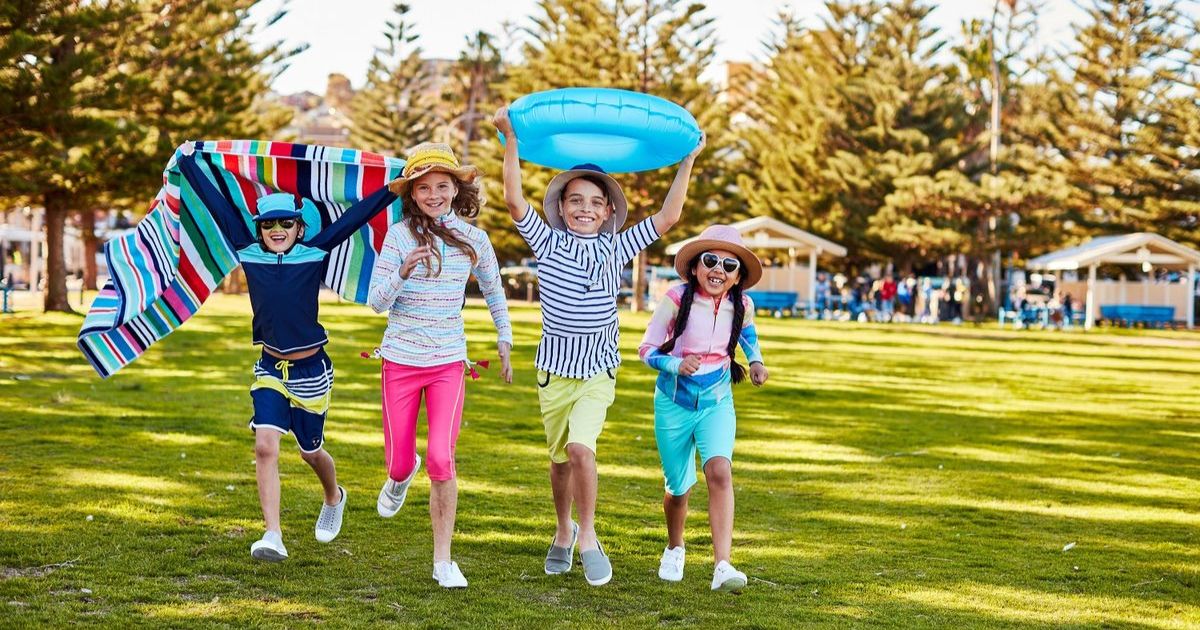
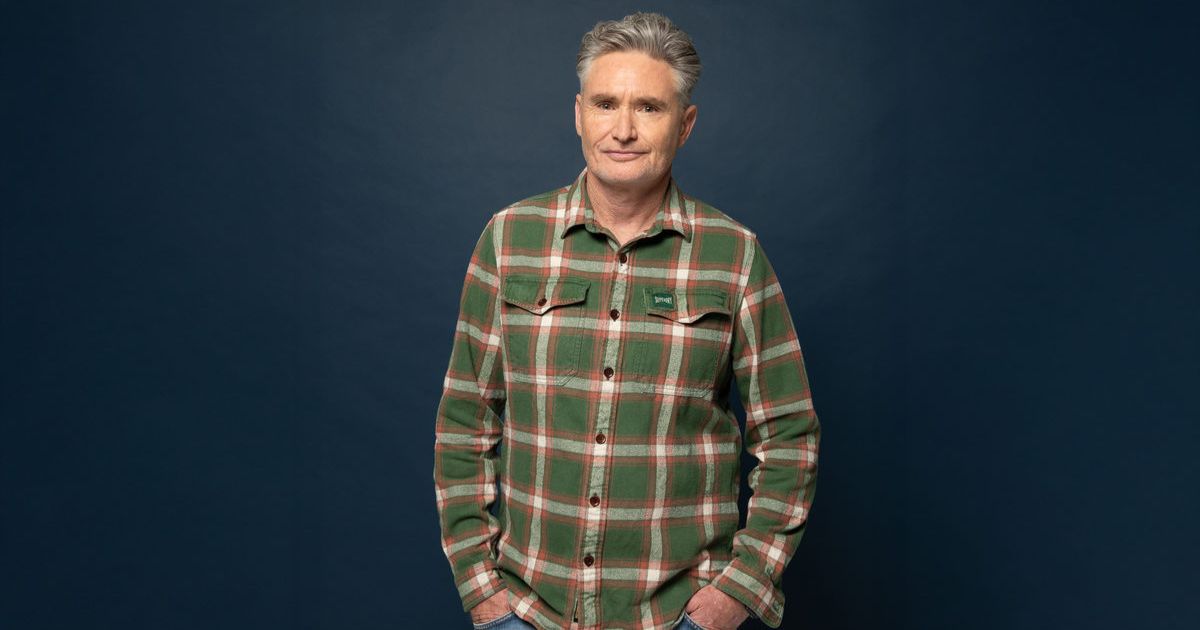
Health authorities recommend people Slip, Slop, Slap, Seek and Slide whenever the UV Index reaches three or higher. Photo: SUPPLIED


MOST Australians worry about skin cancer but very few understand the key warning system designed to help prevent it, according to new national research.
A YouGov survey, conducted in October last year, found 63 per cent of Australians are concerned about developing or redeveloping skin cancer during their lifetime, yet only one in six know how to interpret the UV Index and act on it.
The UV Index measures ultraviolent radiation, the primary cause of most skin cancers. It is reported on a scale, with values of one or two considered low and readings of between eight and 10 classified as very high.
When the index reaches three or above, authorities recommend people use all five forms of sun protection: slip on sun protective clothing, slop on sunscreen, slap on a broad brimmed hat, seek shade and slide on sunglasses.
Australia typically records its most damaging UV levels in January, when average values across most of the country reach 11 or higher on clear-sky days, placing them in the extreme category.
The research also showed limited understanding of the measure more broadly, with 37 per cent reporting only a basic understanding of what the index measures and 12 per cent – about 2.6 million people – saying they had limited or no knowledge of it.
Sally Blane, chair of the Cancer Council’s national skin cancer committee, described UV radiation as an “invisible killer”.
“Cancer Council is encouraging all Australians to get familiar with the UV Index and make checking it a part of their daily sun protection routine,” she said.
“The UV Index always peaks in the middle of the day, and unprotected skin can be damaged in as little as 15 minutes.
“The key takeaway is to use all five forms of sun protection when heading outside and the UV Index is three or above.”
Australia, she said, has some of the highest levels of UV radiation in the world, with overexposure to UV radiation linked to up to 95 per cent of melanomas.
The government-run Australian Radiation Protection and Nuclear Safety Agency (ARPANSA) maintains a network of UV detectors to monitor ultraviolet radiation across the country.
UV research scientist, Sean Hewson, said people could check UV intensity in real time on the body’s website.
“Our live measurements account for geographic location, altitude, time of day, time of year and cloud cover which is important as levels are higher in some parts of Australia than others,” he said.
“The UV Index should be used every day even on cool or overcast days as UV radiation can still be high in these conditions, and clear skies or high temperatures cannot be relied on to determine when sun protection is needed.”
Share


Related Articles
Former international opera singer explores ageing in new exhibition
AFTER almost two decades performing opera around the world, Ocean…
Short plays, big stories: Geelong short play festival returns in August
SIX original plays by Geelong writers will premiere next month…