Education needed on signs of stroke in children
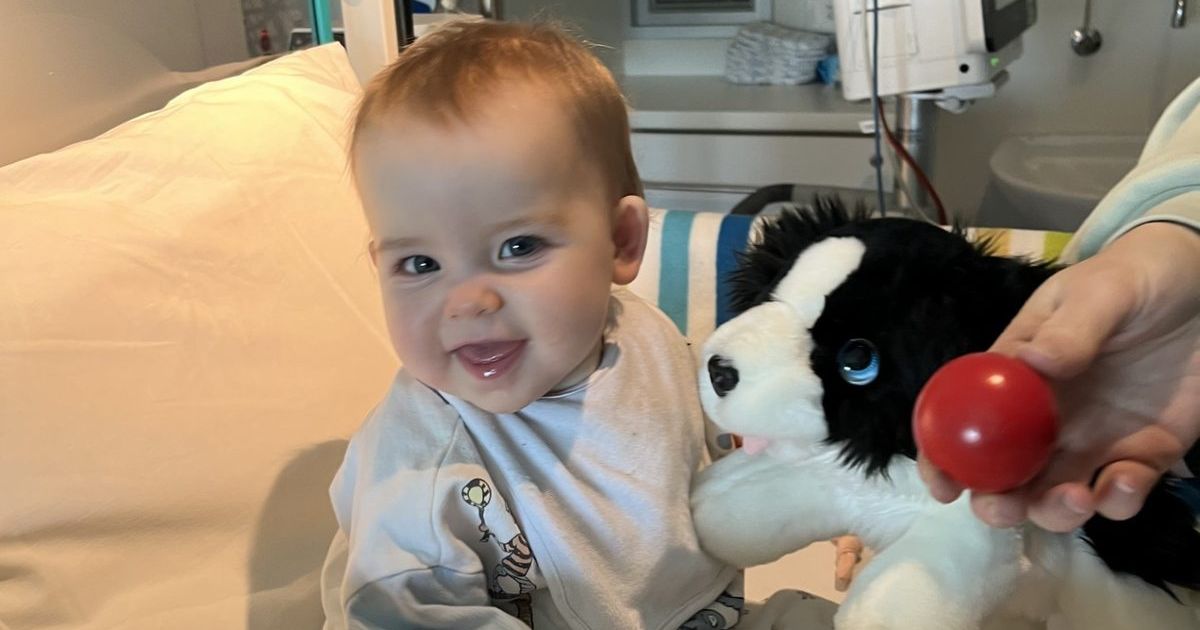
Every year, about 120 babies and 400 children will have a stroke in Australia. Photo: Stroke Foundation


STROKE Foundation is urging Australian parents and families to familiarise themselves with the signs of stroke in children.
Childhood Stroke Awareness Week, which started on Monday this week and concludes tomorrow (Saturday, 8 March), aims to educate all Australians that stroke can strike at any age.
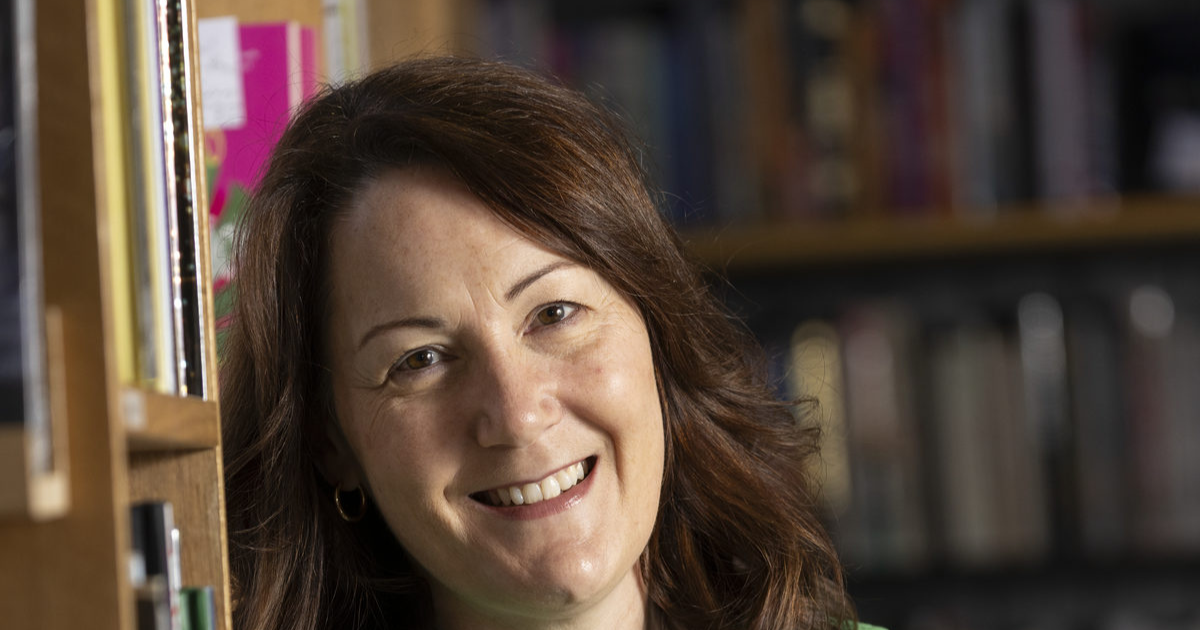
Stroke Foundation chief executive officer, Dr Lisa Murphy, said it was important for families and health professionals to arm themselves with important information on how stroke affects infants and children.
“Stroke does not discriminate – it affects people of all ages, including the youngest and most vulnerable members of our community.
“The best thing parents can do is be aware and learn to recognise the symptoms and signs of stroke.”
There are three main types of stroke:
Ischaemic stroke, caused by an artery being blocked by a blood clot
Haemorrhagic stroke, caused by bleeding when a blood vessel breaks, and
Cerebral sinovenous thrombosis, which causes blood clots in the veins within the brain.
Childhood stroke is among the top 10 causes of death in children and, every year, about 120 babies and 400 children will have a stroke.
“Stroke presents itself in many different ways in children, but symptoms can include seizures and extreme sleepiness [in babies], and, in older children, weakness or numbness in the face, arm or leg, difficulty talking or swallowing, dizziness, and severe or unusual headaches,” Dr Murphy said.
Childhood Stroke Awareness Week also celebrates the achievements of the country’s youngest and bravest survivors of stroke who have gone on to reach developmental milestones and personal goals.
“Stroke is life-changing and early recognition and action make all the difference in improving chances of recovery and reducing its impact,” Dr Murphy said.
“With the right care and support, children who had experienced a stroke can keep learning, growing and thriving.” By coming together, we can improve recognition, treatment and support for children affected by stroke and their families.”
Share


Related Articles
Meet the Geelong performers who ran away to the circus
THREE former CircArts Geelong students have returned home as professional…
Your new favourite
EVERYONE loves a good ol’ fashioned happy hour, and I…