How Australians can stay healthier for longer

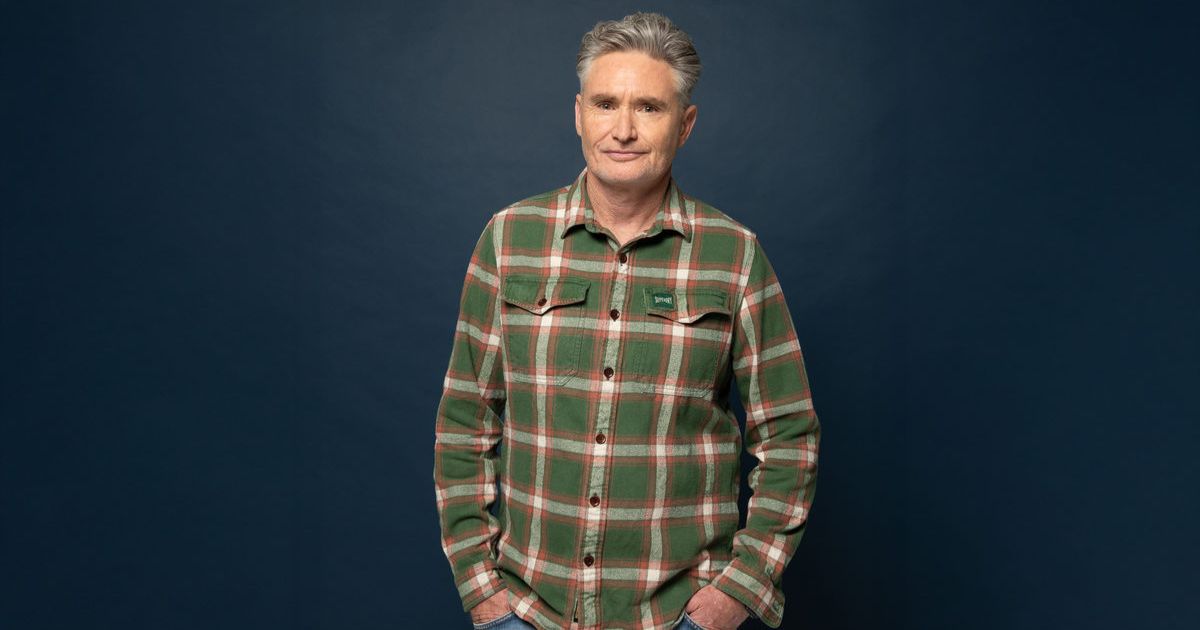
Research suggests Australians need to rethink when they start caring about brain health and what they can do to compress the years spent in poor health. Photo: SUPPLIED


THERE is an average 12-year gap between an Australian’s lifespan and the health span that will reshape how they experience ageing, from the jobs they hold in their 60s and 70s to the products they buy, the healthcare they receive and the way they plan for retirement.
UNSW Scientia Professor Kaarin Anstey, one of the world’s leading experts on cognitive ageing and dementia prevention, said this shift meant Australians needed to rethink when they started caring about brain health and what they could do to compress the years spent in poor health.
“We should be caring about it throughout our lives, which is a hard answer to process when you’re in your 20s. But we know that, for example, with brain ageing, the things that improve your brain as you age and protect it from cognitive decline and dementia, those exposures accumulate through the life course,” she said.
The implications of this are important for every Australian. By 2050, Professor Anstey said, the nation would have only 2.7 people in the workforce for every person over 65 or child outside the workforce, down from five workers at present. This means people can expect to work longer, while workplaces will need to adapt to keep workers engaged and productive across decades.
Professor Anstey, an ARC Laureate Fellow who also serves as Director of the UNSW Ageing Futures Institute, said the distinction between health span and lifespan determined whether people spent their later years in independence or dependence.
“Health span is the number of years in which you have a healthy life, and lifespan is how long you live.
“For example, you might live to 100, but you become disabled in your mid-80s, in which case your health span might be 85, and you have 15 years with a disability. And so, in ageing, we’re trying to compress that time spent in disability and extend that health span.”
The question of when to start protecting brain health is critical to the issue of how people age. While many assume they can worry about health in later life, Professor Anstey said research showed behaviours accumulate throughout life which affect health and broader life outcomes.
Midlife, for example, is when risk factors such as high blood pressure, type 2 diabetes and obesity emerge, making this period crucial for decisions that will influence health in decades to come.
She also noted the definition of midlife itself had shifted upward.
“In the academic world, when we do research, we classify midlife as 40 to 65, but it’s actually quite interesting, because about 15 years ago, when I was writing papers on this, it was 40 to 60,” Professor Anstey, who has also held advisory roles with the World Health Organisation since 2016, said.
“So, we’ve already expanded that upper limit to 65, and I can see a time where we almost talk about 40 to 70 is midlife.”
Cognitive health will determine whether people can maintain independence, solve problems, work and preserve their sense of self as they age, according to Professor Anstey, who described cognitive health as fundamental to functioning.
“Cognitive health is your ability to process information, solve problems, your memory,” she said.
“Basically, without cognitive health, you can’t function, so you can’t solve everyday problems, you can’t work, you can’t participate in society, and it’s about the self as well. It’s your identity, who you are.”
Professor Anstey also noted technology was evolving to assist with maintaining cognitive function through stimulation and engagement, while other technology could compensate for certain health challenges.
Share


Related Articles
Former international opera singer explores ageing in new exhibition
AFTER almost two decades performing opera around the world, Ocean…
Short plays, big stories: Geelong short play festival returns in August
SIX original plays by Geelong writers will premiere next month…