I hoped for a diagnosis – just to prove the pain was real
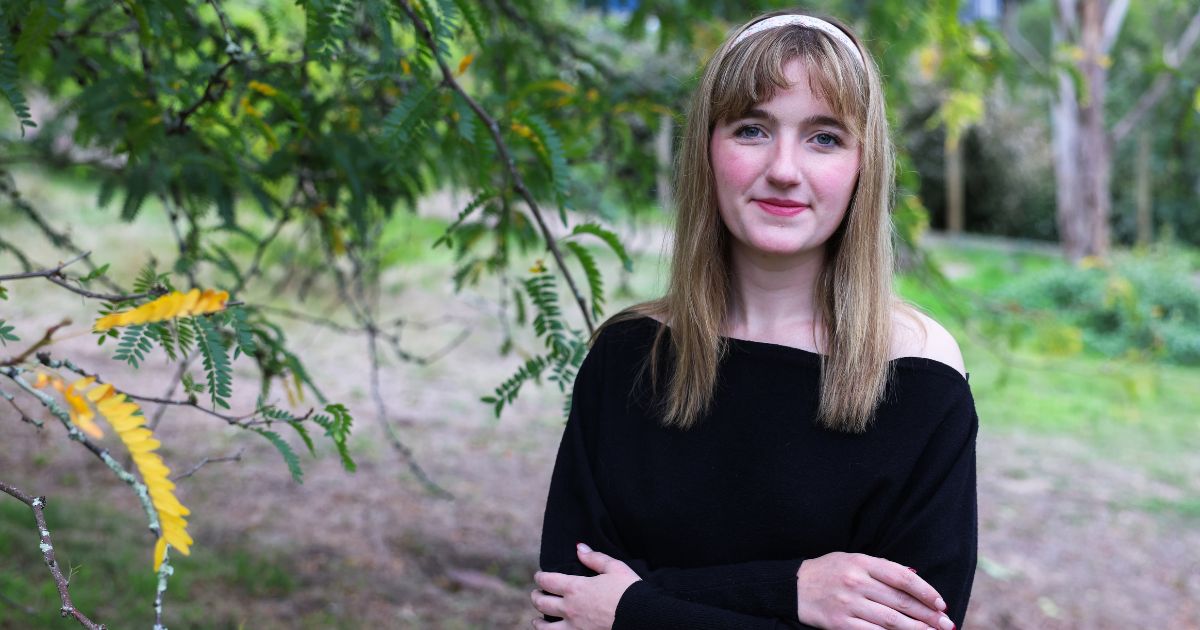


SINCE I was a teenager, I assumed pain was simply part of being female. Every month, the same pattern returned: pain so disruptive that I learned to organise my life around it, and so normalised that I also learned to doubt its significance.
So when I sat through an ultrasound and found myself thinking, “I hope I have endometriosis”, it was not because I wanted a diagnosis; it was because I wanted an explanation. The alternative was the old, familiar fear that the pain was somehow all in my head.
That fear is carried by too many women with pelvic pain. And it is one reason endometriosis has finally begun to get the attention it deserves. But the more I have learned, the clearer it has become that endometriosis is part of a much bigger story.
As Geelong obstetrician and gynaecologist Marilla Druit puts it, people do not present with endometriosis, they present with pain – and pain is complex.
“If we expect a simple solution to a complex problem, we will keep going around in circles,” she said.
“Pain is sensory and emotional. It is felt in the body, but it is also shaped by the brain, by stress, by trauma, by experience and by whether a person feels heard.”
That is why the debate about diagnosis and surgery matters but should not dominate the entire conversation. Surgery can be important. But so can scans, medications and specialist care. Not all pain is solved by surgical intervention or diagnosis.
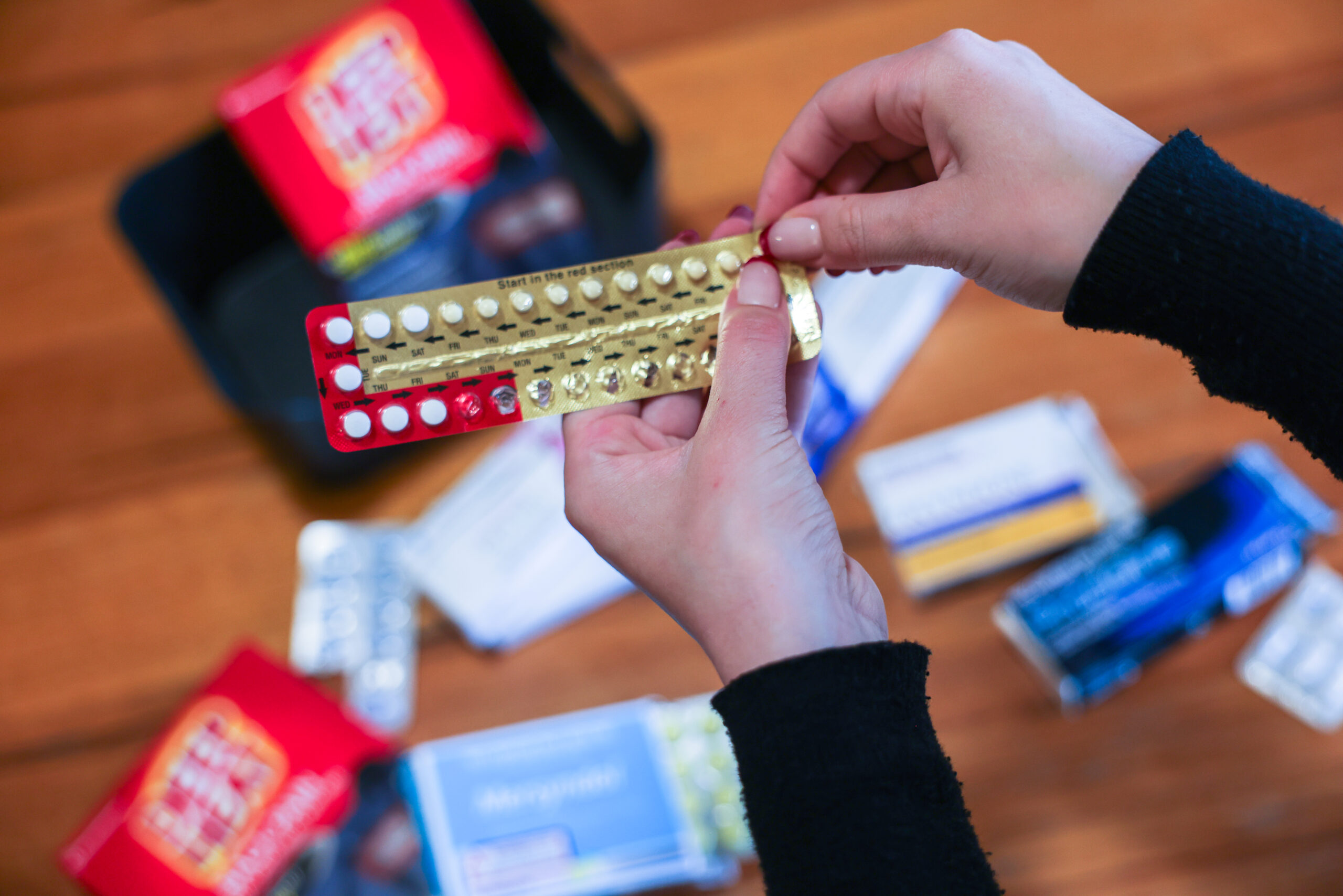
Dr Druit explains there are strong links to psychological and social wellbeing when it comes to pelvic pain.
“Pain is made in your brain and felt in your body. Pain is the human condition of suffering,” she said.
“So, if we reduce it to an exclusive biomedical approach, then people end up going around in circles.”
My own experience is still in its early stages – despite being years down the track; eight years of appointments, pills, uncertainty and conflicting advice.
For a long time, I told myself this was something I had to live with. That is the quiet injustice of pelvic pain: it teaches people to endure what should have been taken seriously much earlier.
Australia has led important research on endometriosis, and the renewed focus on women’s pain is welcome.
But the next step is bigger than one condition. It is better education, more pain literacy and a health system that treats pelvic pain as a serious health issue, not a private failure.
Dr Druit said as a nation leading the way in endometriosis research, we should also be spearheading pain research and understanding.
“I would love Australians to be the most pain literate population in the world, because we would be so much more productive and happy,” she said.
We need to stop asking women to prove their suffering before it is believed. We need to understand pain earlier, treat it more broadly, and make room for the reality that not every pain-filled body fits a simple diagnosis.
Nyah Barnes is a journalist at the Times News Group.
Share


Related Articles
Former international opera singer explores ageing in new exhibition
AFTER almost two decades performing opera around the world, Ocean…
Short plays, big stories: Geelong short play festival returns in August
SIX original plays by Geelong writers will premiere next month…