Music, food and the future of festivals
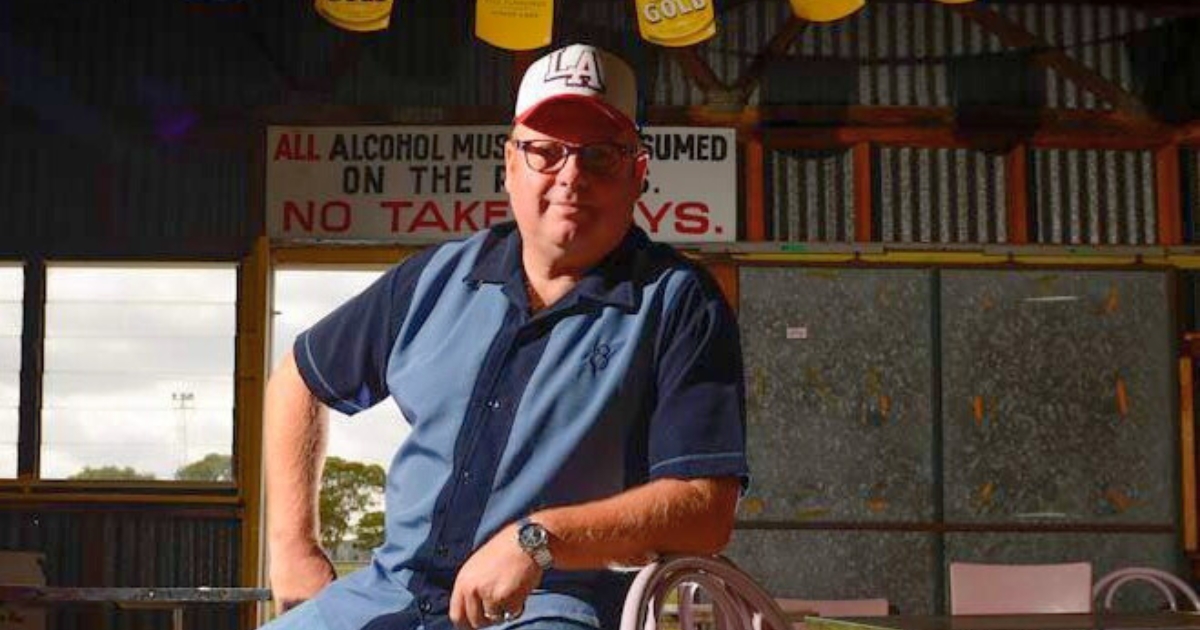
Hugo T Armstrong has been a consistent presence in both grassroots and major event production since the late 1980s. Photo: SUPPLIED


Sitting across the mic in our podcast studio, Hugo T. Armstrong speaks with the clarity of someone who’s spent three decades shaping the sound and spirit of the region.
From festivals to food trails, few have left a mark on Geelong’s cultural landscape quite like him.
“I never thought I’d live in Geelong,” he says.
“But once we had a family, it made sense to be somewhere between Melbourne and the coast. And I’ve always believed in Geelong’s potential.”
To call Hugo a veteran of Victoria’s music and events scene is an understatement. Founder of The Blues Train, former artistic director of Queenscliff Music Festival, creator of the Motor City Music Festival and longtime radio host on PBS FM, Hugo has been a consistent presence in both grassroots and major event production since the late 1980s.
“I started The Blues Train in 1994, but a year earlier we kicked off Queenscliff Music Festival,” he says.
“There weren’t many non-genre-specific festivals at the time. We wanted to put on a celebration of Australian music, whatever the genre.”
As the years passed, Hugo became synonymous with creating inclusive, experience-driven festivals. At Queenscliff, he championed initiatives like digital radio aunches and hosted premiers and ministers at the event. It was a long way from the 1900 info hotlines and paper flyers that once promoted the show.
“We didn’t even have a website in the early days,” he says.
“Now people expect instant ticketing and reviews. It’s a totally different world.”
Among his proudest moments are booking The Cat Empire before they broke, hosting David Helfgott, and launching DIG radio with the ABC. But Hugo’s emphasis has always been on the audience.
“I spent as little time backstage as possible. I wanted to be among the crowd, see how people were experiencing it,” he says.
“That’s how you really know if it’s working.”
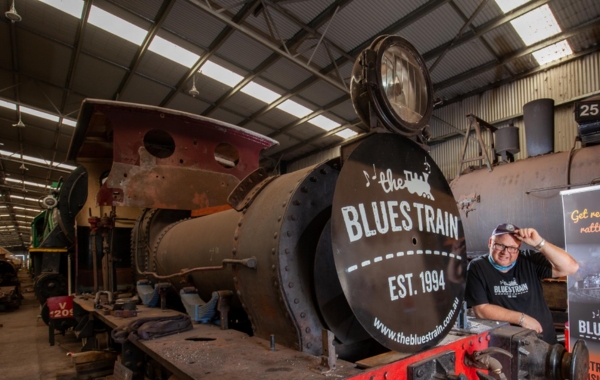
Hugo T Armstrong founded popular rolling music event The Blues Train in 1994. Photo: MICHAEL CHAMBERS
That customer-first mindset has shaped much of Hugo’s philosophy. Whether launching the Bellarine Taste Trail or DJing private parties for Michael Gudinski, it always comes back to connecting people to moments.
“There’s something slightly evangelical about it,” he says.
“I just want other people to love the music as much as I do.”
His understanding of food and drink culture is just as nuanced. Hugo speaks with enthusiasm about the shift from community group stalls to purpose-built food trucks and local produce showcases.
“Back in the day, if you wanted vegetarian food, you called up a spiritual group,” he says.
“Now we’ve got sidewalk cantinas, bao buns and craft breweries at every event. It’s totally transformed the experience.”
Hugo is full of praise for local operators doing things right: Adam Kirby’s Sidewalk Cantina, the Charquait Tower crew in Point Lonsdale, and the subtle evolution of markets like Nightjar into full-blown festivals.
“The ones that focus on one or two great dishes – they nail it,” he says.
“That’s what people remember.”
Still, he’s honest about the challenges. Central Geelong, for instance, remains a tough precinct for new markets.
“Public perception matters. Until we address that sense of safety and improve accessibility, it’ll always be an uphill battle,” he says.
His present focus includes projects such as the Geelong Revival and a new appreciation for motorsport culture. But music is never far.
“Live music is struggling,” he says.
“Too much of it is free, and people start to devalue it. You don’t expect free beer, so why expect free music?”
It’s a pointed but fair observation from someone who’s seen the industry evolve from packed radio stations and tour vans to Spotify streams and Instagram reels.
s for advice to aspiring festival organisers?
“Don’t,” he says with a laugh.
Then more seriously: “Learn business skills. It’s 90 per cent compliance and logistics. Passion is essential, but without business sense, you’ll burn out.”
He shares a motto he’s lived by: “You can’t sell a secret. McDonald’s doesn’t stop advertising, and neither should you.”
In the end, Hugo remains exactly what Geelong needs – an operator with deep local oots, sharp commercial instincts, and an infectious love for live music, shared food and the vibrant mess of pulling it all together.
To hear the full story, listen to The Local Palate podcast, available on all major platforms.
Share


Related Articles
Former international opera singer explores ageing in new exhibition
AFTER almost two decades performing opera around the world, Ocean…
Short plays, big stories: Geelong short play festival returns in August
SIX original plays by Geelong writers will premiere next month…