Project to explore recycled option for bollard replacement
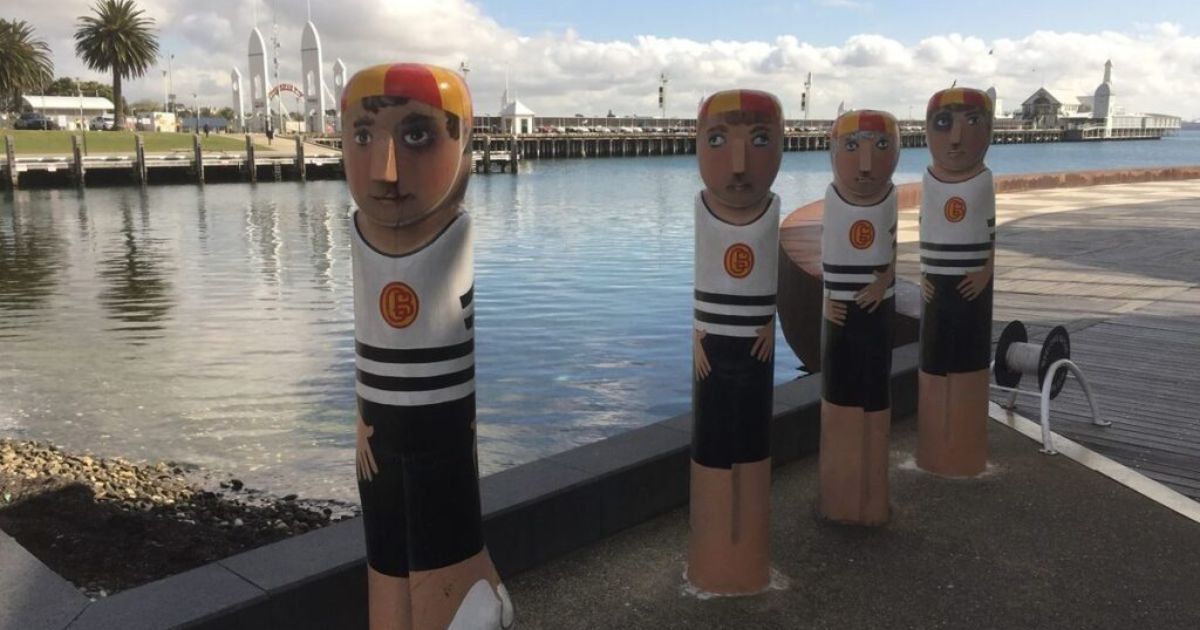
The City of Greater Geelong is funding a research project that may provide a recycled option to replace the municipality's famous bollards. Photo: CITY OF GREATER GEELONG


A CITY of Greater Geelong grant will explore recycling carpet manufacturing waste into a new product, including a possible replacement for the famous bollards on the Geelong Waterfront and Barwon Heads.
The council has resolved to award $25,000 in funding to Godfrey Hirst and Deakin University to support a joint research project into using the waste, which typically goes to landfill, and converting it into feeder stock for 3D printing (also known as additive manufacturing).
If successful, it could divert hundreds of tonnes of waste and landfill into a viable and sustainable product with potential uses across many applications, including the redevelopment of the bollards.
Many of the 159 bollards were originally made from recycled wood repurposed from historical pier timbers.
After 30 years of additional prolonged exposure to coastal conditions, these historical wood timbers are close to the end of their expected life due to natural factors such as fungal infections, pests, and rot.
If the prototype now in development is successful, the decaying wooden bollards could be replaced with 3D printed bollards made of stronger, more durable, and lighter material.
“We’ve been working very hard behind the scenes to get the next phase of the bollards up and going, and exploring innovative technology while we do it,” Geelong mayor Stretch Kontelj said.
“This project ticks a lot of boxes for us – it reflects our city’s rich history in manufacturing, it highlights where we are today in advanced manufacturing, and it contributes to the circular economy, and potentially reduces waste and landfill while preserving the legacy of our bollards that the community loves.”
“I will be following this research very closely, and I’m optimistic that this will provide exciting opportunities for local industry and create a viable future for the bollards for generations to come.”
The Advanced Fibre Cluster Geelong (AFCG) is also backing the research.
“The Advanced Fibre Cluster Geelong is proud to support this iconic bollard project – working alongside our members to develop a durable, renewable solution that’s built for Geelong and designed to last,” AFCG chief executive David Buchanan said.
Godfrey Hirst manufacturing manager Aaron Dawson said the project project represented a practical step forward in addressing how to keep valuable materials in use for longer, which was one of the biggest challenges facing contemporary manufacturing.
“Exploring the potential to transform carpet manufacturing waste into durable, large-scale 3D printed products aligns strongly with our commitment to waste reduction and circular economy principles.
“We’re proud to collaborate locally in Geelong on a project that could deliver real environmental benefits while creating innovative, long-lasting infrastructure for the community.”
Share


Related Articles
Former international opera singer explores ageing in new exhibition
AFTER almost two decades performing opera around the world, Ocean…
Short plays, big stories: Geelong short play festival returns in August
SIX original plays by Geelong writers will premiere next month…