Rising UV levels spark sun safety reminder
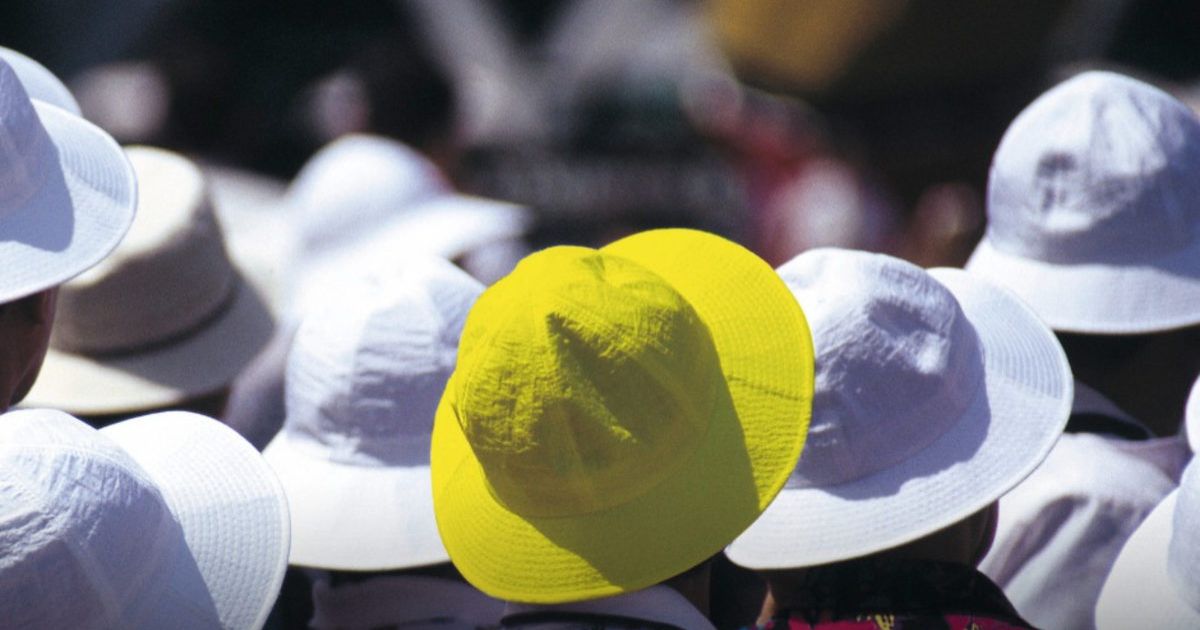
A government survey found a less than half (43 per cent) of Victorians always or often wore a hat. Photo: SUPPLIED


SUNSMART is urging all Victorians to remember to slip, slop, slap, seek and slide as the UV levels begin to rise across the state and sun protection season begins.
The plea is backed by the Victorian government’s latest Victorian Population Health Survey (VPHS) 2023, which found a less than half (43 per cent) of Victorians always or often wore a hat, and just over half (55 per cent) always or often applied sunscreen when out in the sun for more than 15 minutes during summer.
Head of SunSmart Emma Glassenbury said people may be surprised to learn Victoria’s sun protection season goes from mid-August to April, and sun protection is required whenever the UV is 3 or above to reduce skin damage and lower skin cancer risk.
“While acknowledging that Australia has one of the highest skin cancer rates in the world, we can’t forget that skin cancer is also one of the most preventable cancers – and that sun protection is our best defense.”
“This data tells us our sun protection campaigns are more important than ever, especially when it comes to wearing hats and using sunscreen. Being home to some of the most dangerous UV levels in the world, using sun protection always or often during summer is needed.”
“We want to see all Victorians consistently using sun protection as part of their daily routine in the coming months – particularly during summer, when we know damage from the sun can happen in as little as 11 minutes.”
According to the VPHS, men were less likely than women to use all five forms of sun protection, while young adults aged 18-24 and 25-34 were significantly less likely to often or always use nearly all forms of sun protection than all Victorian adults, except for sunscreen.
“Even on cool or cloudy days, remember: when the UV index is 3 or above wear a wide-brimmed hat, sun-protective clothing, and sunglasses, apply SPF 50 or 50+ sunscreen, and seek out shade to prevent UV damage and reduce your skin cancer risk,” Ms Glassenbury said.
While melanoma rates have declined by more than 50 per cent since 1997 among Victorians aged 25-491, skin cancer is still prevalent.
Victoria recorded more than 3,000 new melanoma cases and 164,000 treatments for non-melanoma skin cancers in 20232.
VicHealth chief executive officer Professor Anna Peeters underscored the important role SunSmart plays in education which leads to skin cancer prevention.
“It’s clear we’ve come a long way in shifting understanding of sun safety and early detection, but that isn’t to say skin cancer is not still a major public health challenge in Victoria.
“VicHealth applauds the important work SunSmart has done and continues to do in empowering more Victorians to prevent skin cancer,” Professor Peeters said.
In addition to hat wearing and sunscreen use concerns, VPHS data showed that Victorian adults’ use of other forms of sun protection was falling short. Only 53 per cent often or always wore clothing to protect them from the sun, just over half (56 per cent) often or always sought shade, while just 64 per cent often or always wore sunglasses
To reinforce the importance of sun protection, a new SunSmart exhibition has recently opened at the Australian Centre for the Moving Image in Melbourne.
For more information about staying safe in the sun, head to sunsmart.com.au
Share


Related Articles
Former international opera singer explores ageing in new exhibition
AFTER almost two decades performing opera around the world, Ocean…
Short plays, big stories: Geelong short play festival returns in August
SIX original plays by Geelong writers will premiere next month…